






The New Language of Food
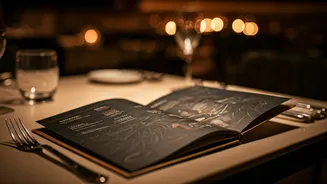
Gone are the days when a menu simply read “Butter Chicken” or “Vegetable Biryani.” Today, you’re more likely to find descriptions that read like a love letter to the ingredients. A dish might feature “heirloom tomatoes from a farm in the Himalayas” or be
described as “Grandmother’s recipe for fish curry.” This is the new language of dining in India, where restaurants are realising that a good story can be just as important as the food itself. This shift isn’t just a marketing gimmick; it reflects a deeper change in what diners want. People are more curious than ever about where their food comes from, how it’s made, and the cultural context behind it. In response, chefs and restaurateurs are turning their menus into narratives, inviting diners to connect with their meal on an emotional and intellectual level.
The Power of Provenance
At the heart of this trend is the concept of provenance—the origin story of your food. The farm-to-table movement, once a niche concept, has gained significant momentum across India. There has been a surge in restaurants emphasising local and seasonal sourcing, with some reports noting a 60% increase in such establishments in recent years. This isn't just about freshness; it’s about transparency and sustainability. By highlighting that a certain cheese comes from a small-town artisan or that the vegetables were sourced from a nearby organic farm, chefs are fostering a connection between the diner, the farmer, and the land. This focus on local sourcing not only ensures better quality and nutritional value but also supports local economies and reduces the environmental impact of long supply chains. For the diner, knowing the journey of their food creates a richer, more meaningful experience.
A Taste of Memory
Food is deeply intertwined with memory. A specific aroma or flavour can transport us back to childhood, evoking the warmth of a family kitchen or a favourite festival dish. Many Indian chefs are now consciously tapping into this power of nostalgia. They are weaving personal stories and family traditions into their menus, reinterpreting dishes they grew up with. You might find a chef's modern take on his grandmother's gobi paratha or a refined version of a simple aloo rassa that brings back childhood memories. This approach makes the dining experience deeply personal. It’s not just about eating; it’s about sharing in a memory. This creates a powerful emotional connection, making diners feel like they are getting a taste of the chef's own history and heritage.
Celebrating the Region
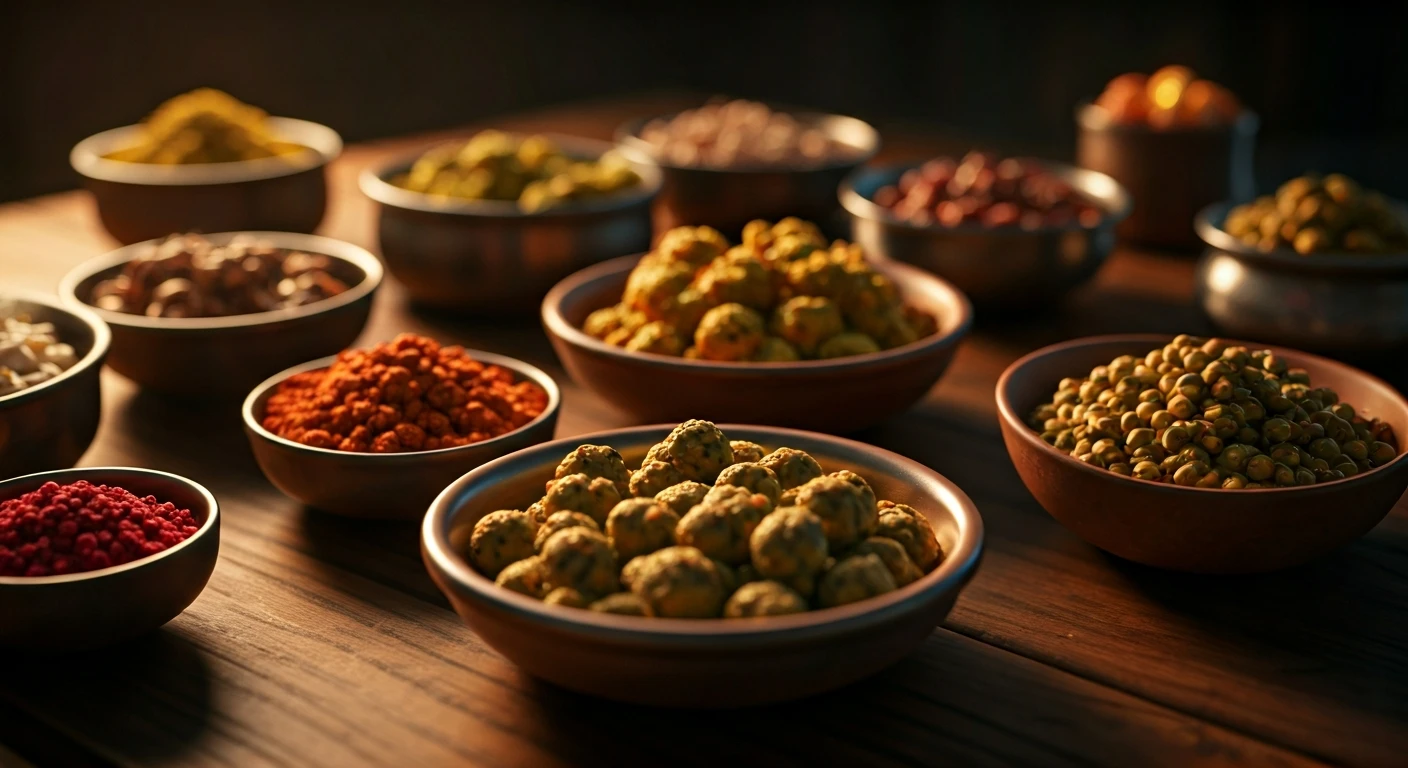
For too long, “Indian food” in many places was a monolithic category. But now, chefs are confidently moving beyond generic curries to celebrate the vast diversity of India's regional and even hyper-regional cuisines. Menus are digging deep into the specific culinary traditions of states, communities, and even single villages. You might see dishes from Nagaland, recipes from the Warli tribe, or forgotten delicacies from Jharkhand making a star appearance in fine-dining establishments. Chefs are spotlighting indigenous ingredients like Bandel cheese or thangnyer chillies and reviving ancient grains and millets. This isn't just about authenticity; it's a celebration of India's incredible biodiversity and culinary heritage, offering diners a journey across the country on a single plate.