



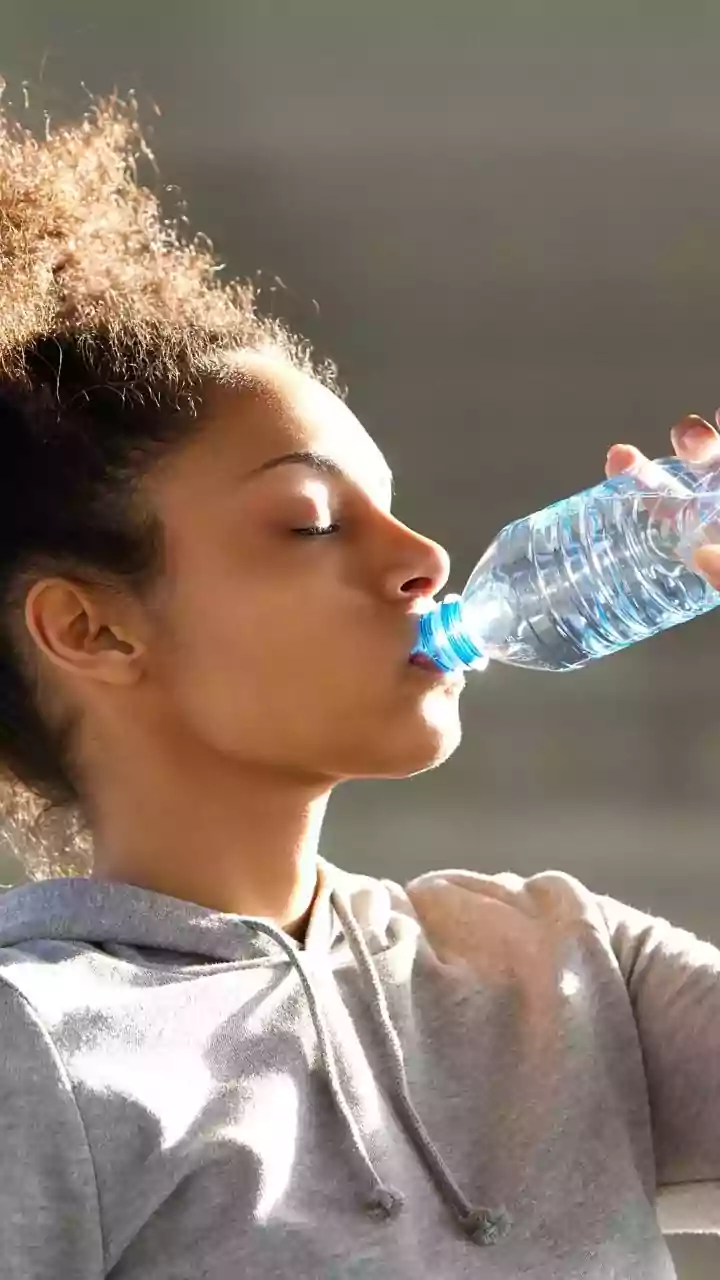



The Monsoon Workout Paradox
Stepping from the humid, rain-soaked streets into a crisp, air-conditioned gym feels like a blessing. But this sharp contrast creates a paradoxical environment for your body during a workout. The extreme humidity of the Indian monsoon means the air is already
saturated with moisture. Inside the gym, the AC cools the air but doesn't always fully dehumidify it. This sets the stage for a physiological trap. Your body's primary cooling mechanism is the evaporation of sweat from your skin. In high humidity, however, sweat evaporates very slowly or not at all. It just drips off you. Because you're not getting that cooling effect from evaporation, your body's response is to sweat even more in an attempt to lower your core temperature.
AC and The Illusion of Comfort
The cool air from the AC creates a sensory illusion. Your skin feels cool, tricking your brain into thinking your body isn't overheating. This can lead you to push harder and longer than you might in a hotter, non-air-conditioned space. However, your core temperature is still rising, and your body is working overtime, producing profuse amounts of sweat that aren't effectively cooling you down. This combination is a perfect storm for losing significant amounts of body fluid, even if you don't feel overwhelmingly hot. The cool air can also blunt your perception of thirst, meaning you might not drink enough to compensate for the fluid you are losing.
The Silent Drain of Sodium
Sweat is not just water; it is packed with essential electrolytes, with sodium being the most prominent. Every litre of sweat you lose can contain a significant amount of sodium. When you are sweating profusely for an extended period—like during an hour-long intense workout in a humid environment—you are draining your body's sodium reserves. If you rehydrate with plain water alone, you replace the fluid but not the lost electrolytes. This can dilute the sodium concentration in your blood, a potentially dangerous condition known as hyponatremia. This is the “hidden” deficiency the headline warns about; you think you are hydrating correctly by drinking water, but you are inadvertently making the electrolyte imbalance worse.
Recognising the Subtle Symptoms
The initial symptoms of low sodium levels are often subtle and can easily be mistaken for general workout fatigue or dehydration. These include nagging headaches, feelings of nausea, persistent fatigue or lethargy, and muscle weakness or cramps. You might feel a sense of confusion or what many describe as 'brain fog'. Because these signs are so non-specific, many fitness enthusiasts simply dismiss them, attributing them to a tough workout. However, these are early warning signals from your body that its crucial fluid-electrolyte balance is off. Ignoring them and continuing to sweat and drink only plain water can lead to more severe consequences.
Smarter Hydration Strategies
The key to avoiding this issue is to hydrate smarter, not just harder. For workouts lasting over an hour or for those who sweat heavily, plain water is often not enough. It's crucial to replenish the electrolytes you are losing. This doesn't mean you need to chug sugary sports drinks after every workout. You can add a pinch of rock salt and a squeeze of lemon to your water, a traditional and effective method. Coconut water is another excellent natural source of electrolytes, particularly potassium. You can also opt for sugar-free electrolyte tablets or powders that can be easily added to your water bottle. The goal is to replace both the fluid and the essential minerals lost in sweat.
Your Monsoon Gym Action Plan
To train safely and effectively during the monsoon, start by being mindful. Pay closer attention to your body. Don't rely solely on thirst as your guide to drink; sip fluids consistently throughout your workout. Consider starting your hydration an hour before you hit the gym. If you're feeling unusually fatigued or crampy, ease back on the intensity. After your workout, focus on a recovery meal that includes a source of sodium to help replenish what you've lost. Simple additions like salted nuts or a well-seasoned meal can help restore your balance. Listen to your body's signals and adjust your hydration and nutrition plan to meet the unique demands of exercising in high humidity.