







The Double Jeopardy for Flyers
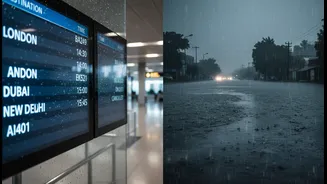
For those flying out of Kolkata during heavy rains, the challenge is twofold. Firstly, severe waterlogging on key arteries like VIP Road and Belghoria Expressway can turn a 45-minute commute into a multi-hour ordeal. Secondly, once at the airport, the weather
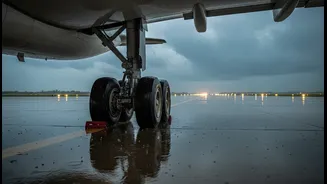
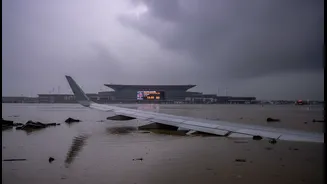
itself impacts operations. Heavy rain, poor visibility, and gusty winds can lead to runway suspensions, delayed departures, and flight diversions, as seen in recent events where operations were halted for over an hour. This combination means that even if your flight is officially on time, your journey to catch it is fraught with uncertainty.
What Are 'Flight Buffers'?
The term 'flight buffer' refers to the extra time airlines build into their schedules to absorb minor delays, whether from air traffic congestion or routine ground operations. However, the extreme and unpredictable nature of monsoon disruptions in cities like Kolkata and Mumbai is putting this system under immense pressure. While airlines may not formally announce a change to these built-in buffers, the reality on the ground is forcing a shift. The Directorate General of Civil Aviation (DGCA) has increasingly emphasized that pilots should prioritize safety over schedule adherence, encouraging them to delay, divert, or even turn back when weather conditions are poor. This means the informal, operational buffers are shrinking, and the onus is shifting to the passenger to build their own.
Your New Airport Commute Timeline
Airlines are universally advising passengers to leave for the airport much earlier than usual. But what does this mean in practice? During periods of heavy rain, it’s wise to add at least two to three extra hours to your airport commute time. This isn't just about traffic; it accounts for the possibility of road closures and the difficulty of finding transport. Kolkata Airport has reportedly been working on a real-time advisory service to alert passengers about congestion and waterlogged routes via social media and potentially airline apps. Until such systems are fully effective, your best strategy is to assume the worst-case scenario for road travel and plan accordingly.
Airline Status Checks Are Non-Negotiable
Given the volatility, checking your flight status is no longer a passive activity but a critical travel step. Airlines like IndiGo, SpiceJet, and Air India regularly issue advisories via social media, urging passengers to keep a constant check. The best practice is to check your flight status before you leave for the airport, using the airline's official app or website. These platforms provide the most immediate updates on delays, cancellations, or gate changes. Relying solely on the original schedule is a recipe for frustration, as cascading delays from earlier in the day can affect afternoon and evening flights significantly.
Know Your Rights During Delays
When a flight is delayed or cancelled due to weather, it is considered a 'force majeure' event, meaning it's outside the airline's control. While this exempts them from paying cash compensation, they are still obligated to provide a 'duty of care'. According to DGCA rules, for significant delays, this includes providing meals and refreshments. If your flight is cancelled, you are entitled to a full refund or rebooking on an alternative flight at no additional cost. Understanding these rights is crucial for navigating disruptions and ensuring you receive the assistance you are owed.