






The Two-Sided Humidity Problem
Indoor humidity can be a double-edged sword. In winter, heating systems often make the air uncomfortably dry, leading to scratchy throats and unhappy houseplants. Conversely, bathrooms, kitchens, and poorly ventilated corners can suffer from excess moisture,
creating musty smells and ideal conditions for mould. For renters, installing whole-house systems isn't an option. This is where lightweight, portable trays come in. They are simple, non-electric solutions that can be used either to increase humidity where it's needed or to absorb it where it's not. Their key advantage is their portability; a single tray can be moved from a dry living room during the day to a damp bathroom overnight.
Boosting Humidity with Pebble Trays
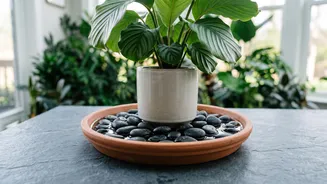
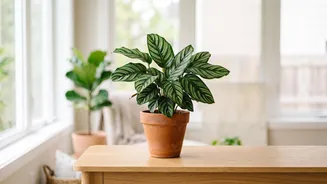
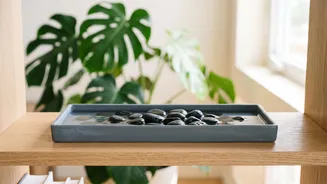
To combat dry air, a 'pebble tray' is an incredibly effective and low-cost tool. This is simply a shallow, waterproof tray filled with a layer of pebbles or small stones. You add water to the tray, ensuring the level stays just below the top of the pebbles so that anything placed on them remains dry. As the water evaporates, it gently increases the humidity in the immediate vicinity. This is a blessing for tropical houseplants like ferns and calatheas, which often struggle with brown, crispy leaves in dry homes. But it also benefits people, helping to soothe dry skin and sinuses. For a bigger impact, you can group several plants together on a larger tray, creating a shared microclimate of higher humidity.
Tackling Dampness with Absorber Trays
On the other end of the spectrum are moisture-absorbing trays. These are designed to pull excess water from the air, making them perfect for cupboards, wardrobes, and small bathrooms that lack good ventilation. These trays work without electricity, typically using materials like silica gel crystals or calcium chloride tablets that capture and lock in moisture. The captured water often collects in a lower reservoir, which can be emptied. They are compact, discreet, and because they are completely portable, you can easily place one under a sink or on a closet shelf where dampness is a problem. While they won't solve a serious damp issue, they are excellent for managing everyday moisture and preventing musty odours from developing.
What to Look For When Choosing a Tray
When selecting a tray, its purpose will guide your choice. For a pebble tray to increase humidity, look for one that is waterproof and at least an inch or two deep to hold enough water, and wider than the plant pot you intend to place on it. Plastic, ceramic, or metal trays all work well. For moisture-absorbing trays, you can find both disposable and reusable options. Reusable models often feature a two-part design with a grate for the absorbing crystals and a basin to collect the water. Consider the size of the space you want to treat; most absorber products specify the coverage area they are designed for, which is usually a small, enclosed space. Lightweight materials are key for portability, allowing you to move the solution wherever it's needed most without any hassle.