








More Green, Less Grey
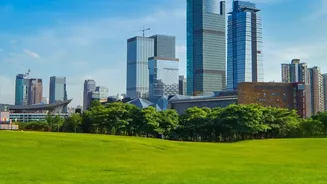
One of the most powerful tools for boosting urban health is deceptively simple: nature. Integrating more green spaces into the urban fabric offers profound benefits for both mind and body. Studies have consistently shown that living in areas with more parks,
trees, and gardens is linked to lower levels of stress, anxiety, and depression. The presence of greenery has a restorative effect, helping to reduce mental fatigue and improve mood. Beyond the psychological benefits, green spaces encourage physical activity. Parks, walking trails, and even small community gardens provide accessible opportunities for exercise, helping to combat sedentary lifestyles. Furthermore, vegetation acts as a natural filter, improving air quality and dampening noise pollution, two of the most significant health stressors in dense urban environments. From vertical gardens on skyscrapers to interconnected networks of parks, weaving nature into the city is a critical step towards a healthier populace.
Designing for Movement
For decades, many cities were designed around the car, leading to traffic congestion, pollution, and inactive populations. A major shift is now underway to prioritize people-powered transport. This concept, known as active mobility, focuses on creating environments where walking and cycling are safe, convenient, and enjoyable options for daily travel. Key strategies include building interconnected networks of wide sidewalks and protected bike lanes, which allow people to move safely without competing with heavy traffic. This approach is a cornerstone of the "15-minute city" concept, an urban planning model where residents can access most of their daily necessities—shops, schools, healthcare, and work—within a short walk or bike ride. By reducing dependency on cars, cities can cut down on harmful emissions, improve air quality, and encourage daily physical activity, which is proven to reduce the risk of obesity, heart disease, and diabetes.
Quieter Streets, Calmer Lives
Often overlooked, noise pollution is a significant public health issue in urban areas. The constant hum of traffic, construction, and other city sounds can have a serious impact on our well-being. Chronic exposure to high levels of noise is linked to a range of health problems, including sleep disturbances, high blood pressure, cardiovascular disease, and increased stress. It degrades our environment and can impair focus and productivity. Cities can tackle this invisible threat through smarter design. Strategies include using low-noise asphalt on roads, implementing traffic-calming measures to reduce vehicle speeds, and creating buffer zones with trees and vegetation, which naturally absorb sound. Restricting construction hours and better managing sources of loud noise are also crucial. By turning down the volume, cities can create a more peaceful and less stressful environment, directly improving the cardiovascular and mental health of their residents.
Building for Social Connection
Loneliness and social isolation are growing concerns in bustling cities. The way our neighbourhoods are built can either worsen this problem or help solve it. Creating a robust "social infrastructure" is key to fostering community and well-being. This refers to the public places where people can interact, such as libraries, community centres, public squares, and parks. When these spaces are welcoming, accessible, and well-maintained, they encourage serendipitous encounters and help build social ties between neighbours. Urban design that promotes mixed-use development—blending residential, commercial, and recreational spaces—also encourages a vibrant street life where people are more likely to meet and connect. By designing spaces that bring people together, cities can combat isolation, enhance residents' sense of belonging, and improve overall mental health.