

The sizzle of a street-side tawa, the aromatic cloud of spices, and a plate of rich, buttery Paneer Ghotala. It’s a culinary dream. But recreating it at home often leads to one common problem: tough, rubbery paneer. What’s the secret?
The Magic of Paneer Ghotala
Paneer Ghotala is
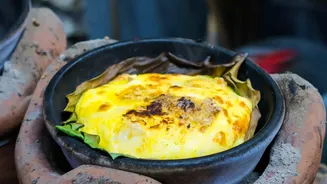
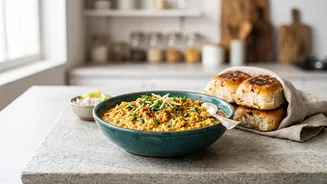
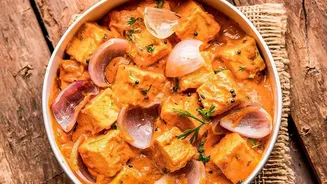
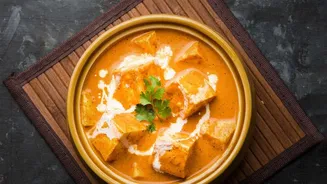
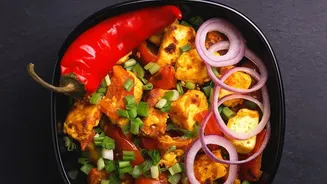
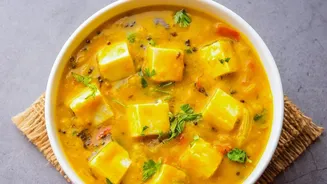
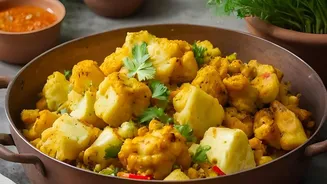
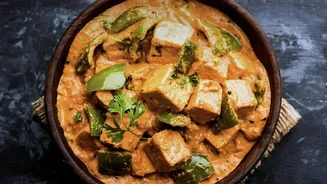
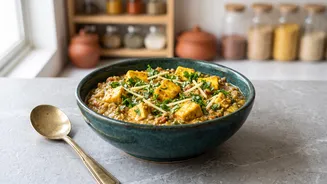
a celebrated street food dish, especially popular in Surat, Gujarat. The name 'Ghotala' translates to 'mess' or 'scramble', which perfectly describes its delicious, mashed-up consistency. It’s a vegetarian take on the famous Surti Egg Ghotala, delivering the same rich, buttery, and spicy experience. Unlike a standard paneer bhurji, Ghotala is often richer, uses a specific blend of spices like pav bhaji masala, and has a unique, semi-liquid texture that’s perfect for scooping up with butter-toasted pav. The paneer is typically grated or crumbled and cooked into a flavourful onion-tomato masala, often finished with a generous helping of cheese and butter, making it an indulgent treat.
Why Paneer Becomes Hard and Chewy
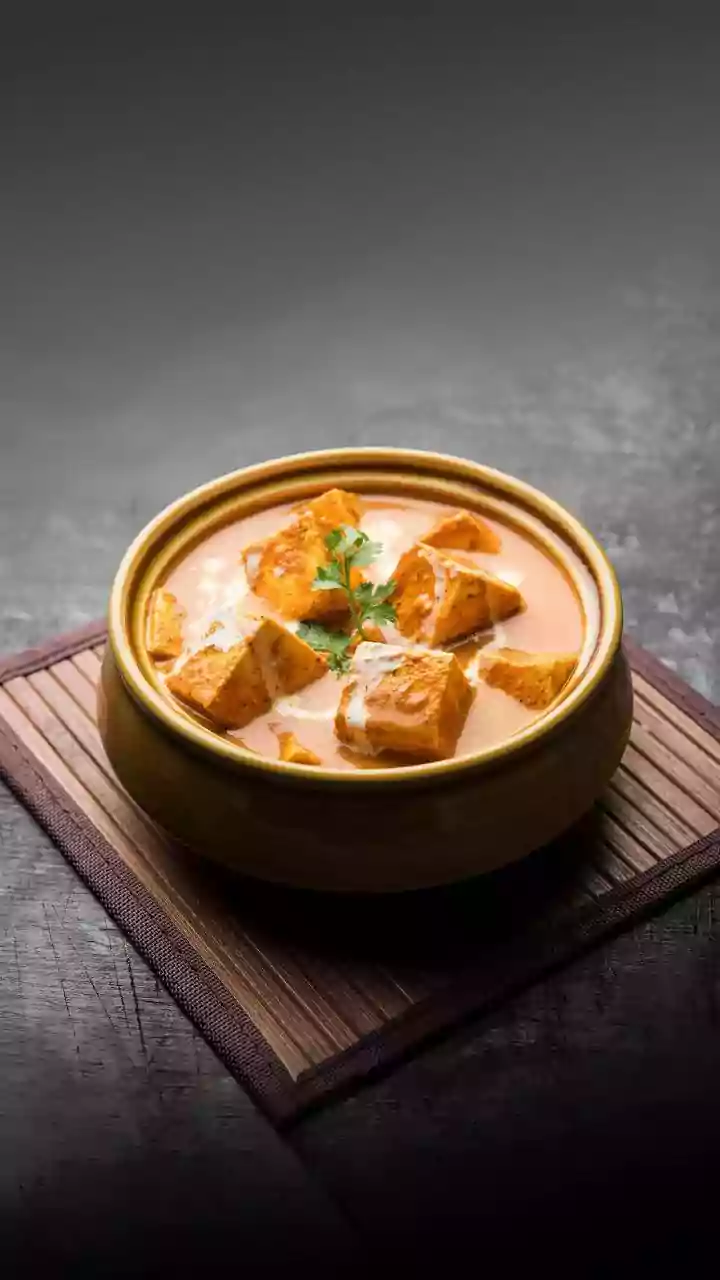
Before we get to the solution, it helps to understand the problem. Paneer is a fresh, unaged cheese made of milk proteins. When it's exposed to high heat for too long, these proteins tighten up and squeeze out moisture. This process, much like overcooking an egg, is what transforms soft, milky paneer into a hard, rubbery block. Several factors contribute to this: overcooking is the main culprit, but the quality of the paneer itself also plays a role. Paneer with lower fat content or that has been pressed too much during production tends to be firmer from the start. Simply adding paneer to a boiling curry and letting it cook for an extended period is a guaranteed way to make it tough.
The Golden Rule: A Quick Hot Water Soak
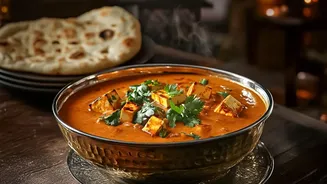
This is the single most effective trick shared by countless chefs and home cooks. Soaking your paneer cubes or crumbles in warm salted water for 15-20 minutes before adding them to your dish works wonders. This simple step rehydrates the paneer, restoring moisture that might have been lost during refrigeration. The warm water makes the paneer porous and sponge-like, ensuring it stays soft and better absorbs the flavours of your gravy. For best results, use water that is warm to the touch, not boiling hot. This trick is effective for both store-bought and homemade paneer, and it's especially crucial if you're working with a block that feels a bit firm or dry.
Timing is Everything: Add Paneer Last
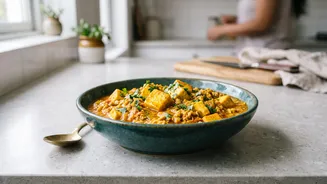
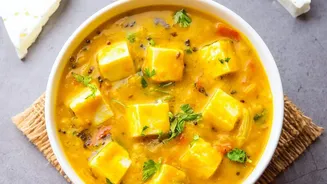
One of the most common mistakes is adding paneer to the gravy too early. Paneer does not need to be 'cooked' in the traditional sense; it only needs to be heated through. For a dish like Paneer Ghotala, where the base gravy is the star, you should prepare your entire masala first. Sauté your onions, cook your tomatoes until the oil separates, and get all your spices perfectly blended. The grated or crumbled paneer should be the last ingredient to go into the pan. Fold it in gently and cook for no more than two to three minutes on a low flame. This is just enough time for it to warm up and absorb the surrounding flavours without losing its moisture and becoming tough.
Choose Your Paneer Wisely
While cooking technique is paramount, the quality of your paneer sets the foundation. For a dish that celebrates a soft, meltinmouth texture, using fresh, fullfat paneer is always best. Storebought paneer can vary in quality; some are pressed more intensely, resulting in a denser, drier block. If you can find fresh malai paneer from a local dairy, it will almost always yield a softer result. If you're using storebought paneer, especially one from the freezer, the hot water soak becomes nonnegotiable. Thaw frozen paneer by placing it directly in warm water for about 20 minutes instead of microwaving it or leaving it at room temperature.
Bringing It All Together for the Perfect Ghotala
To make an authentic streetstyle Paneer Ghotala, the texture is key. Start by grating your paneer using the large holes of a grater; this prevents it from turning into a complete mush. After soaking and draining it, have it ready. Begin by preparing your base: heat oil and a generous amount of butter in a pan. Sauté finely chopped onions, ginger, garlic, and green chillies. Add your tomatoes and cook them down with spices like turmeric, red chilli powder, and the allimportant pav bhaji masala. Once this gravy is thick and aromatic, lower the flame and fold in your grated paneer. Gently mash some of it with the back of your spoon to create that signature 'ghotala' texture, add a splash of hot water if needed, and let it simmer for just a couple of minutes before serving hot with buttered pav.