





Why Monsoon is Prime Time for Ticks
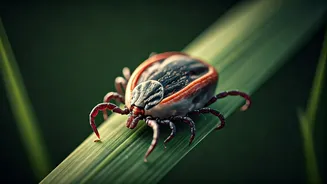
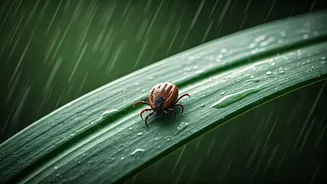
The pitter-patter of rain is a welcome sound, but the accompanying humidity creates a paradise for parasites. Ticks thrive in warm, humid, and damp environments, making the Indian monsoon their peak season. The moisture in the air and on the ground allows
them to stay hydrated and active, while lush, overgrown grass provides the perfect hiding and breeding ground. Even if your pet is spending more time indoors, ticks can easily be brought inside on shoes, clothing, or after a quick walk in a damp park. This heightened risk makes prevention not just a good idea, but an absolute necessity for any responsible pet parent.
The Proactive Arsenal: Vet-Approved Prevention
Being a savvy pet parent means being prepared. The most effective way to fight ticks is by using a preventative treatment recommended by your veterinarian. There are several excellent options available in India, each with its own advantages: * **Spot-On Treatments:** These are liquid medications applied directly to the skin, usually between the shoulder blades. They kill ticks and fleas and can provide protection for a month or more. Brands like Frontline Plus are widely used. * **Oral Chewables:** These are tablets given to your pet monthly or every few months. They enter your pet's bloodstream and kill ticks when they bite. Brands like NexGard and Bravecto are popular choices. * **Tick Collars:** Medicated collars release active ingredients over several months to repel and kill ticks. A long-acting collar can be a convenient option for continuous protection. Always consult your vet to choose the best product for your pet's age, weight, breed, and lifestyle. They can also ensure the product you choose is safe and effective.
Fortify Your Home: Environmental Control
Ticks don't just live on your pet; they can infest your home and garden. A true flex is a multi-pronged attack. Start by washing your pet’s bedding, blankets, and any plush toys in hot water regularly to kill any hiding pests. Vacuum carpets, rugs, and furniture frequently, paying special attention to crevices and areas where your pet rests. In your garden or yard, keep grass trimmed short and remove leaf litter to reduce the moist, shady spots that ticks love. By managing the environment, you disrupt the tick life cycle and create a safer space for everyone.
The Daily Once-Over: A Hands-On Defence
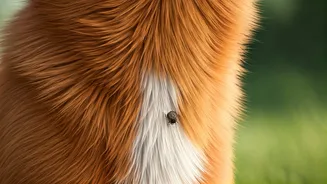
Make a daily tick check part of your routine, especially after walks. It’s a simple bonding activity that doubles as a crucial health screen. Run your hands slowly over your pet’s entire body, feeling for any small bumps. Pay close attention to warm, hidden areas where ticks love to attach: in and around the ears, between the toes, under the front legs (armpits), in the groin area, and under the tail. Keeping your pet’s coat well-groomed and even trimmed shorter during the monsoon can make spotting these tiny parasites much easier.
Found a Tick? How to Remove It Safely
If you find a tick, don't panic and definitely don't try old myths like burning it. Improper removal can cause the tick's head to get stuck in the skin, risking infection. The correct method is straightforward. Use fine-tipped tweezers or a special tick-removal tool to grasp the tick as close to your pet's skin as possible. Pull upward with steady, even pressure without twisting or jerking. Once removed, kill the tick by placing it in rubbing alcohol. Clean the bite area on your pet with a mild antiseptic. If you're not confident, or if the head gets left behind, it's best to call your vet.
Know the Warning Signs of Tick Fever
Prevention is key, but it's also important to recognize the signs of tick-borne diseases like Babesiosis and Ehrlichiosis, which are common in India. Symptoms can appear weeks after a bite and often include fever, lethargy, loss of appetite, pale gums, swollen lymph nodes, and sometimes joint pain or unusual bleeding. If you notice any of these signs, especially after finding a tick on your pet, contact your veterinarian immediately. Early diagnosis and treatment are critical and can be life-saving.