







The Challenge of Ageing Muscles
As we get older, our bodies naturally go through changes, and one of the most significant is the gradual loss of muscle mass, strength, and function—a condition known as sarcopenia. This isn't just about struggling to open a tight jar; sarcopenia can lead
to frailty, a higher risk of falls and fractures, and a general decline in mobility and independence. For decades, the best and only proven prescription to fight this decline has been consistent physical activity. Exercise, especially resistance training, helps preserve the muscle we have and stimulates growth. Yet, the precise biological reasons why exercise is so effective at keeping muscles youthful have remained partially understood, until now.
A Genetic Link is Discovered
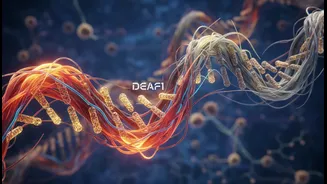
Recent research from Duke-NUS Medical School has shed new light on this process, identifying a gene called DEAF1 as a key player. The study, published in the Proceedings of the National Academy of Sciences, found that levels of the DEAF1 protein increase in our muscles as we age. This is where the problem begins. Under normal circumstances in younger muscle, a delicate balance is maintained between building new proteins and clearing out old, damaged ones. This process, known as proteostasis, is essential for healthy muscle function. However, the study reveals that elevated levels of DEAF1 disrupt this balance.
The Vicious Cycle of DEAF1
The researchers discovered that DEAF1 acts on another crucial regulator of muscle growth called mTORC1. In ageing muscles, DEAF1 pushes mTORC1 into a state of chronic overactivation. Paradoxically, while mTORC1 is needed for muscle growth, having it permanently switched 'on' is destructive. It leads to an overproduction of proteins and, more importantly, impairs autophagy—the cell's essential recycling system that clears out damaged components. This leads to a build-up of cellular junk, causing muscle cells to become stressed, dysfunctional, and eventually weaken. Normally, DEAF1 is kept in check by a group of proteins called FOXO, which are known as 'longevity genes'. But with age, FOXO activity declines, allowing DEAF1 levels to rise unchecked and accelerate muscle decline.
How Exercise Flips the Switch
This is where exercise performs its magic. The study demonstrated that physical activity directly counters the negative effects of rising DEAF1 levels. Exercise activates the FOXO longevity genes, which in turn suppress DEAF1. By lowering DEAF1, exercise restores the balance of the mTORC1 pathway. This allows the muscle cells to once again efficiently clear out damaged proteins and focus on healthy repair and maintenance. In experiments conducted on older mice and even fruit flies, researchers observed that lowering DEAF1 levels led to improved muscle strength and health. Essentially, exercise doesn't just treat the symptoms of ageing muscle; it appears to target one of the root molecular causes.
Implications for the Future of Healthy Ageing
This discovery of the FOXO-DEAF1-mTORC1 pathway is a significant step forward in our understanding of muscle health. It helps explain why some older adults may see fewer benefits from exercise than others; if their DEAF1 levels are too high or their FOXO response is too diminished, exercise alone may not be enough to fully restore muscle balance. In the long term, this research could pave the way for new therapeutic strategies. By developing drugs that can target and lower DEAF1 or boost FOXO activity, it might be possible to mimic the muscle-preserving benefits of exercise for individuals who are unable to engage in physical activity due to frailty or illness. This could offer a new avenue for treating sarcopenia and promoting healthier ageing across the population.