

The Budget Blueprint
The key to an affordable workation is smart planning. This budget is based on a one-week (7 days, 6 nights) trip for a solo traveller. The ₹25,000 figure is a total expense, covering everything from travel to your daily chai. Varkala is one of Kerala's
most budget-friendly coastal towns, where backpacker infrastructure meets reliable connectivity, making it ideal for remote work. By choosing affordable transport, staying in hostels or guesthouses, and eating local, you can easily enjoy the stunning scenery without financial stress. The goal isn't just to save money, but to experience Varkala authentically.
Getting There on a Shoestring
Your journey to Varkala is the first place to save big. The town is well-connected by rail, with its own station, Varkala Sivagiri (VAK). A train from a major hub like Bangalore is a cost-effective option, with sleeper class tickets costing around ₹450-₹600 each way. A round trip by train, booked in advance, can be managed within ₹1,500. While Trivandrum International Airport (TRV) is the nearest airport (about 45 km away), flights are significantly more expensive. Once you arrive at Varkala station, an auto-rickshaw to the North Cliff or Helipad area will cost approximately ₹150. By opting for the train, you’ve already saved a substantial portion of your budget for the actual vacation part of your workation.
Affordable Stays with Good WiFi
For a workation, your stay needs two things: a good price and reliable internet. Varkala excels at both. The town is filled with hostels that are perfect for digital nomads, offering dorm beds for as low as ₹500-₹800 per night. Popular options like Zostel, The Lost Hostels, and other local gems not only provide a bed but also a community of fellow travellers and dedicated common areas for working. For a 6-night stay, you can budget around ₹3,000-₹4,800. If you prefer privacy, guesthouses slightly inland from the main cliff offer private rooms for ₹800-₹1,000 a night. Many of these places understand the needs of remote workers and offer decent WiFi, but it's always wise to confirm before booking.
Fueling Your Work and Play
Food is another area where you can save significantly. While the cliff-top cafes with sunset views are tempting, eating every meal there will quickly drain your wallet, with a single dish often costing ₹300-₹500. A balanced approach is best. For breakfast and lunch, explore the small local eateries just off the cliff. You can find delicious Kerala meals (thalis) for as little as ₹120-₹150. A daily food budget of ₹700-₹800 is very realistic, allowing for a mix of budget-friendly local meals and the occasional splurge at a scenic cafe like Darjeeling Cafe or Coffee Temple, which are popular among laptop workers. This approach keeps you well-fed and connected without overspending.
Working and Exploring for Free (or Cheap)
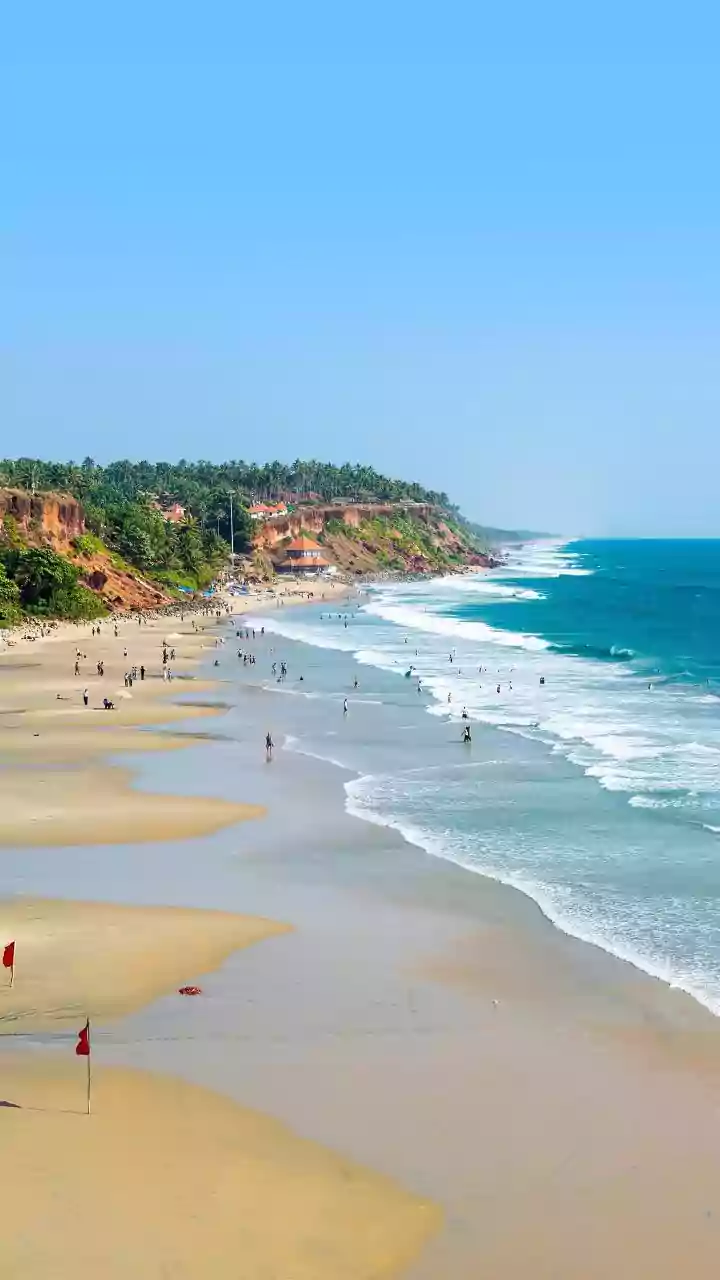
The best things in Varkala are often free. The main activity is walking along the stunning North Cliff, watching the waves crash below. You can also explore the quieter Odayam Beach or visit the ancient Janardanaswamy Temple. For your work setup, many cafes are laptop-friendly, provided you order something every couple of hours. Hostels usually have common areas or co-working spaces with reliable WiFi and power backup, which is a key consideration. Local transport is minimal; you can walk most places. If you need to go further, renting a scooter can cost around ₹300-₹400 per day, but it’s an optional expense.
The Final Tally: Your Sub-₹25,000 Breakdown
Let’s add it all up for a one-week trip. Travel: ₹1,500 (return train from Bangalore). Accommodation: ₹4,200 (6 nights in a hostel at ₹700/night). Food: ₹5,600 (7 days at ₹800/day). Activities & Local Transport: ₹2,000 (buffer for occasional auto rides, scooter rental for a day, or a yoga class). Miscellaneous: ₹2,000 (extra coffee, laundry, snacks). This brings the total to ₹15,300, well under the ₹25,000 budget. This leaves you with a generous buffer of over ₹9,000 for a few nicer meals, some souvenir shopping, or even an Ayurvedic massage. This proves that a week of working from paradise is not only possible but surprisingly affordable.