


The First Rule: Cool Completely
One of the most crucial steps for safe storage is allowing prasad to cool down to room temperature before packing it away. Storing warm or hot food in a closed container creates condensation. This trapped moisture encourages the growth of bacteria and
mould, causing sweets to spoil quickly. Whether you've made ukdiche modak, sheera, or ladoos, spread them out on a plate or tray and let them cool naturally. Rushing this step is a common mistake that can significantly shorten the shelf life of your carefully prepared offerings.
Know Your Prasad: Dry vs. Wet
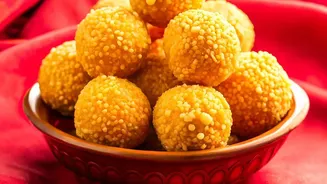
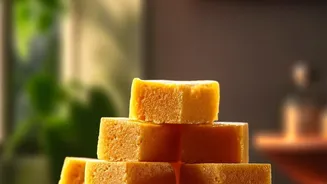
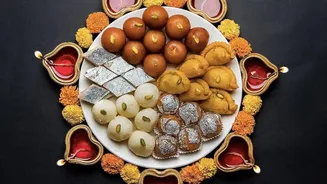
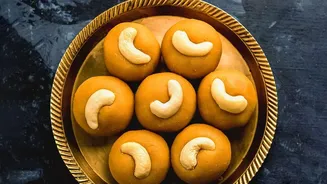
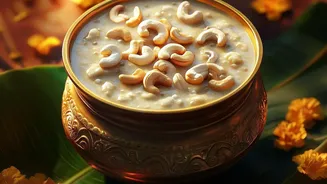
Not all prasad is created equal when it comes to storage. It’s essential to distinguish between dry and wet preparations. Dry sweets like besan or atta ladoos, shakkarpara, and some types of barfi have a longer shelf life because of their low moisture content. They can often be stored at room temperature in a cool, dry place. In contrast, prasad with high moisture content—especially those made with milk, khoya, or fresh coconut like kheer, peda, and fresh coconut modak—are highly perishable. These items must be refrigerated promptly to prevent spoilage.
Choose the Right Containers
The container you use plays a significant role in keeping prasad fresh. Airtight containers made of glass or food-safe steel are excellent choices as they provide a strong barrier against air and moisture, and don't transfer odours. If you're storing different types of prasad, use separate containers to prevent their flavours from mixing and to avoid cross-contamination. For liquid prasad like panchamrit or kheer, glass jars with tight-fitting lids are ideal. While convenient, avoid storing prasad in open bowls or covering them loosely with a plate, as this exposes them to air, fridge odours, and potential contaminants.
Handle Perishable Ingredients with Care
Ingredients like fresh coconut and milk products (khoya, paneer) are particularly prone to spoilage and require special attention. Prasad made with these ingredients should be consumed as quickly as possible, ideally within a day or two, and must always be stored in the refrigerator. According to the Food Safety and Standards Authority of India (FSSAI), milk-based sweets have a very limited shelf life and need proper refrigeration to remain safe. When preparing prasad, using fresh, high-quality milk and coconut is the first step toward ensuring a safer final product.
A General Guide to Shelf Life
Knowing how long different sweets last can help you plan your preparations and distribution. Here’s a general guideline:
- Milk-based sweets (Kalakand, Rasgulla, Rasmalai): Consume within 1-2 days and keep refrigerated.
- Khoya and soft ladoos (Motichoor, Coconut Ladoo): These can last for about 3-4 days when refrigerated.
- Ghee and dry fruit sweets (Besan Ladoo, Kaju Katli, Atta Ladoo): These are more stable and can last for about a week at room temperature, and even longer if refrigerated.
Always remember that humidity and temperature can affect shelf life, so these are just estimates. It's always best to prepare food in smaller batches to ensure freshness.
When in Doubt, Trust Your Senses
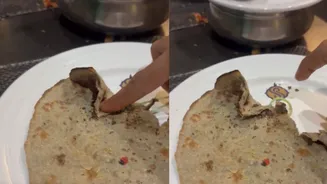
The most reliable food safety tool you have is your own judgment. Before serving or consuming stored prasad, always inspect it. Look for any changes in colour, texture, or the appearance of mould. An unusual, sour, or off-smell is a clear indicator that the prasad has spoiled. While it can be hard to discard food prepared with such devotion, ensuring the health and safety of your family and guests is paramount. If you have any uncertainty about the freshness of a perishable item, it is always safest to discard it.