

The K-Drama Effect on Your Dessert Plate
The story of this sweet invasion begins with the Hallyu, or Korean Wave. Over the last few years, K-dramas and K-pop have become a significant part of India's cultural landscape. For many in Hyderabad, the first encounter with Korean food wasn't in a restaurant,
but on a screen. Watching beloved characters share a bowl of Bingsu on a hot day or grab a Hotteok from a street vendor creates a powerful sense of curiosity and desire. This visual storytelling turns food into a key part of the cultural experience, making fans eager to taste what they've seen. The jump from watching a K-drama to seeking out the food featured in it has become a common urban adventure.
Meet the New Stars: Bingsu and Beyond
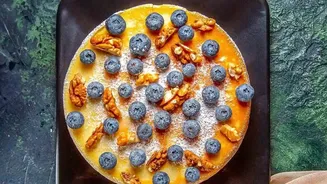
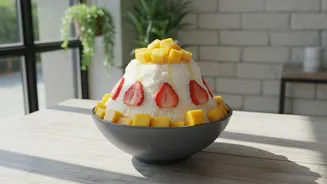
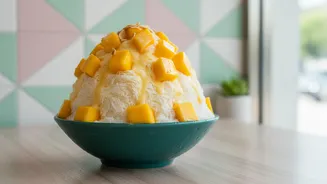
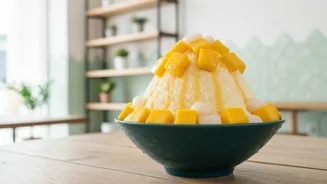
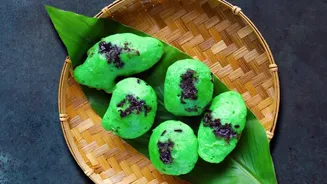
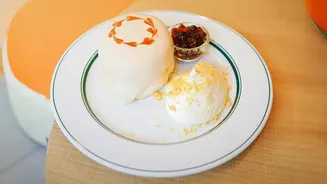
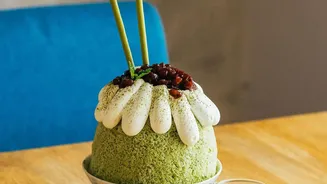
At the forefront of this trend is Bingsu, a dessert perfectly suited for Hyderabad's climate. It’s a shaved ice dessert, but unlike a gola, Bingsu is made from finely shaved milk ice, giving it a soft, snow-like texture that melts in your mouth. Cafés serve it in dramatic, towering bowls with toppings ranging from classic sweet red bean and fruits to modern twists like Oreo, cheesecake, and mango. But the list doesn't end there. Hotteok, a sweet, chewy pancake often filled with brown sugar, cinnamon, and nuts, offers a comforting and familiar feel, reminiscent of a stuffed paratha but for dessert. Then there are the chewy rice cakes known as Tteok and elegant honey pastries called Yakgwa, each introducing unique textures and flavours that are new yet intriguing.
A Perfect Match for the Indian Palate
One of the biggest reasons for the success of Korean desserts is their flavour profile. Many Korean sweets are notably less sugary than traditional Indian mithai or rich Western desserts. This appeals to a growing number of health-conscious consumers who want to indulge without experiencing an overwhelming sugar rush. The focus is often on texture and subtle sweetness. The chewiness of rice cakes or the fluffy lightness of shaved ice provides a new sensory experience. This novelty is a major draw. Furthermore, cafes are cleverly adapting, sometimes creating fusion items that bridge the gap between the familiar and the new, allowing customers to explore new tastes comfortably.
Made for the Social Media Age
In the age of Instagram, we eat with our eyes first, and Korean desserts are incredibly photogenic. A Mango Bingsu isn't just a dessert; it's a work of art, an architectural creation of ice, fruit, and cream that begs to be photographed and shared. The clean aesthetics, pastel colours, and cute shapes often found in Korean baking are tailor-made for social media feeds. For a generation driven by reels and likes, the visual appeal of a dessert is almost as important as its taste. This 'Instagrammability' is a powerful marketing tool, driving footfall as customers flock to cafes to get their own picture-perfect shot, making the trend spread even faster.
Hyderabad’s Sweet Embrace
This national trend has found a firm footing in Hyderabad. The city, known for its love of food, has welcomed Korean flavours with open arms. The evidence is clear, from dedicated Korean restaurants like Goguryeo to food festivals like Social's 'Kore-Yeah' event. The most significant sign is the arrival of specialised dessert parlours, such as the Bingsu-focused chain Snowberry opening an outlet in Jubilee Hills. This indicates that Korean desserts are moving beyond being a niche item on a pan-Asian menu to becoming a headline attraction in their own right. Cafes across Banjara Hills, Jubilee Hills and Madhapur are increasingly adding these treats to cater to the growing demand from a young, curious, and globally-minded clientele.