



What Exactly is 'Swicy'?
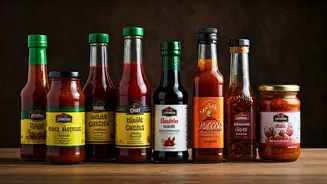
‘Swicy’ is a simple portmanteau of ‘sweet’ and ‘spicy,’ but the flavour it describes is anything but simple. It’s the addictive sensation you get from a mango habanero sauce, the delightful confusion of a chilli-infused chocolate, or the globally viral
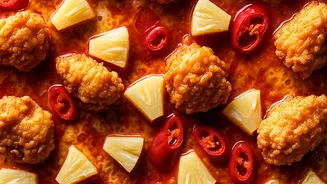
trend of drizzling ‘hot honey’ over a slice of pizza. This isn’t just about adding sugar to something spicy; it’s about creating a complex, layered experience where two opposing tastes enhance each other. The initial sweetness draws you in, making the subsequent kick of spice more surprising and enjoyable. This culinary balancing act creates a flavour profile that keeps you coming back for another bite, a phenomenon some food scientists call ‘dynamic contrast’.
From Niche Trend to Mainstream Menu
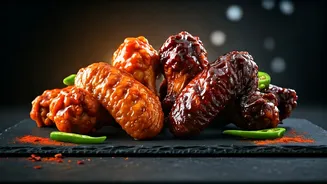
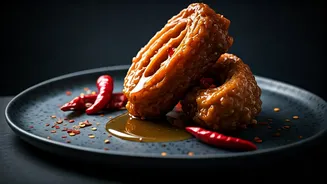
While the combination is timeless, the term ‘swicy’ has been officially crowned a top food trend globally. This wave is now crashing onto Indian shores in a big way. International fast-food chains are leading the charge, localising the trend for the Indian palate. You might see it in a spicy fried chicken sandwich served on a sweetened brioche bun, or in special-edition pizzas featuring novel toppings like a spicy-sweet drizzle. Domino's has experimented with 'Chilli Passion' and 'Tangy Mango' dips, while local cafes are liberally using hot honey on everything from fried chicken to cheese toast. It's a commercially savvy move: the flavour is exciting enough to generate buzz on social media but familiar enough to have mass appeal.
The Psychology of a Perfect Bite
Why are we so obsessed with this combination right now? Part of it is pure brain chemistry. Both sugar and capsaicin (the compound that makes chillies hot) can trigger the release of dopamine, the brain's pleasure chemical. Combining them creates a one-two punch of satisfaction. Furthermore, in an age of Instagram food culture, ‘swicy’ dishes are visually appealing and signal a more adventurous palate. They photograph well and come with a compelling story. The trend also taps into a desire for more complex and intense eating experiences. After years of predictable flavours, consumers are craving novelty, and the delightful tension of a swicy dish delivers just that.
But Haven't We Always Eaten Swicy?
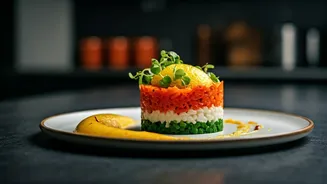
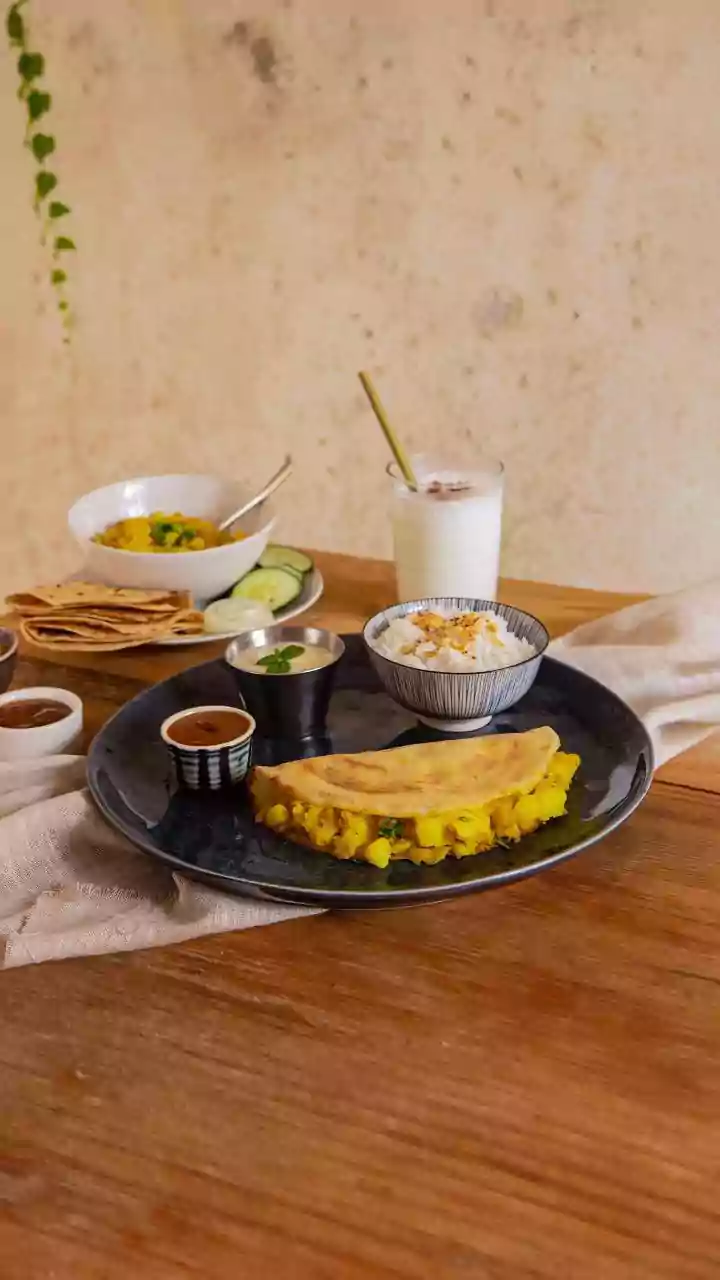
Here's the secret: for anyone familiar with Indian cuisine, the ‘swicy’ trend feels less like a revolution and more like a rebranding. Indian culinary traditions are built on the art of balancing multiple flavours—sweet, sour, spicy, salty, and bitter. Think of the quintessential Gujarati dal, with its perfect harmony of jaggery and tamarind, sharpened with green chillies. Consider the Parsi classic Dhansak, a masterful blend of lentils, meat, and vegetables with a distinct sweet, sour, and spicy profile. What about the tamarind and date chutney served with samosas and chaat, or the Bengali ‘tok jhal mishti’ (sour-spicy-sweet) preparations? These are all fundamentally swicy dishes we’ve loved for generations. The new trend is simply putting a catchy, modern label on a principle our grandmothers perfected.
A Trend with Staying Power
So, is ‘swicy’ just another fleeting food fad destined to disappear like dalgona coffee? In the Indian context, it’s unlikely. While the trendy name might fade, the underlying flavour profile is deeply embedded in our culinary DNA. What this trend does is encourage chefs and food brands to be more overt and playful with these combinations. It gives them permission to put a spicy mango glaze on chicken wings or add a hot honey dip to a pizza menu without it seeming strange. It’s an evolution, not a revolution. We are likely to see even more creative applications of this principle, moving beyond just sauces and glazes into desserts, beverages, and snacks.