







Finding time for exercise can feel impossible. But what if you could boost your health and energy without leaving the house? Indoor walking offers a simple, powerful solution, using short sessions to make fitness accessible for everyone.
The Freedom of Walking Indoors
One of the biggest
hurdles to regular exercise is simply getting it done. Bad weather, safety concerns, or a packed schedule can derail the best intentions. Indoor walking removes these barriers. It's a completely free, weather-proof workout that requires no special equipment or gym membership. You can do it in your living room, hallway, or even a small apartment, making it one of the most convenient forms of exercise available. This low-impact activity is also gentle on the joints, making it an excellent choice for beginners, older adults, or anyone recovering from an injury. The goal isn't to replicate a long outdoor hike; it's to build consistent movement into your day, no matter what's happening outside.
The Power of Short Bursts
The idea that you need a solid 30- to 60-minute workout for it to 'count' is a myth. Research shows that short, frequent bursts of activity, sometimes called 'exercise snacking', offer significant health benefits. Studies have found that breaking up long periods of sitting with just a few minutes of light walking every half hour can help regulate blood sugar levels, control appetite, and improve circulation. These mini-workouts are surprisingly effective. They can improve cardiovascular health, boost your mood by releasing endorphins, and increase energy levels more effectively than a cup of coffee. Your body doesn't necessarily distinguish between one 30-minute walk and three 10-minute walks; what matters most is the consistent movement that breaks up a sedentary day.
Your First Indoor Walk
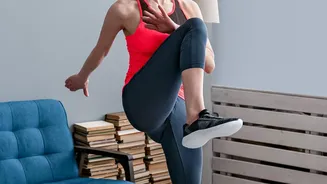
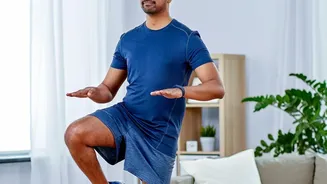
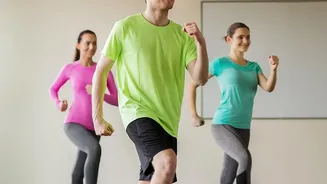
Getting started is simple. Find a small, clear space. You can walk in a loop through a few rooms or simply march in place while watching TV. The foundational move is marching on the spot. Stand tall with your shoulders relaxed and your core engaged. Lift one knee towards your waist, then lower it and switch to the other leg, swinging your arms naturally as if you're walking outside. Start with just 5 or 10 minutes. The goal is to walk at a pace where you can still hold a conversation but are breathing a little harder. This is your base, and from here, you can build both duration and intensity.
Simple Moves to Boost Your Routine
Once you're comfortable with marching in place, you can add variety to challenge your body and keep things interesting. Try incorporating these moves into your indoor walk, doing each for about 30 to 60 seconds:
- Side Steps: Step one foot out to the side, then bring the other foot to meet it. Repeat in the other direction. This move works different muscles in your hips and thighs.
- High Knees: As you march, focus on driving your knees up toward your chest. This increases your heart rate and engages your core.
- Heel Taps: Extend one leg and tap your heel on the floor in front of you, then switch. This is a great way to warm up and stretch your hamstrings.
- Backward Walking: If you have a clear path, carefully walk backward for a few steps and then forward. This challenges your balance and coordination.
- Stair Climbing: If you have stairs, walking up and down them for a minute or two is an excellent way to boost intensity and strengthen your legs and glutes.
Making It a Lasting Habit
The key to success with short walking sessions is consistency. The best way to stick with it is to link the activity to an existing part of your daily routine. Set a timer to go off every hour at work, prompting you to get up and march in place for five minutes. Use commercial breaks during your favorite TV show as your cue to move. Walk around your home while you're on the phone or listening to a podcast. These small, scheduled movements begin to feel automatic over time. Tracking your progress, either by time or by steps, can also provide powerful motivation. Start small, with a goal that feels almost too easy, and gradually increase the duration or frequency as you feel stronger.