

Cosmic Dust vs. Man-Made Debris
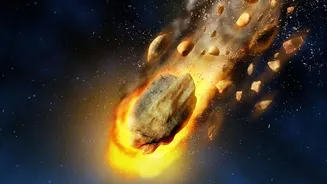
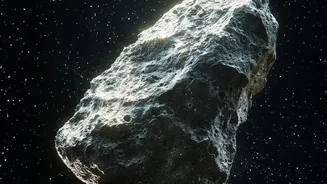
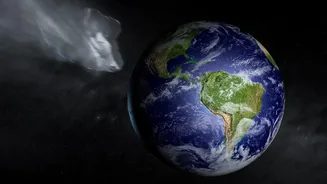
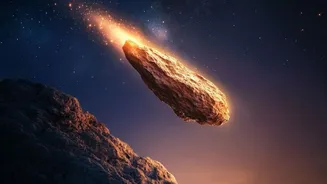
The most fundamental difference between a meteor and space junk is its origin. Meteors, in their pre-atmosphere stage, are called meteoroids. These are natural objects, essentially space rocks, that have been floating through the solar system for billions
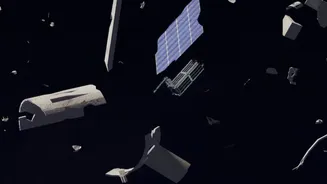
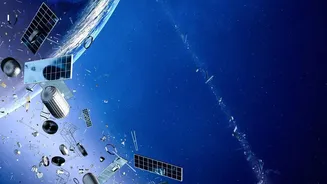
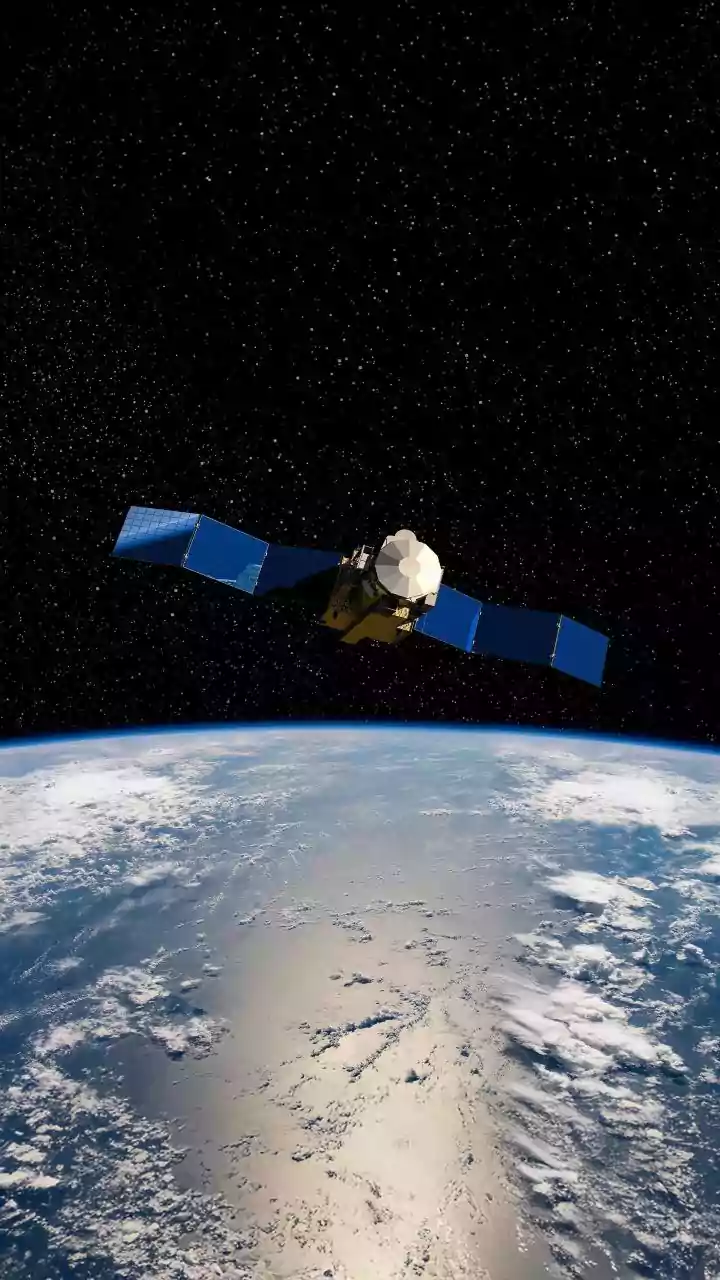
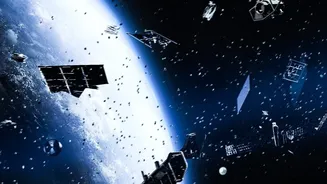
of years. They are often fragments broken off from asteroids during collisions or dusty debris left behind by comets. Some even come from impacts on the Moon or Mars. Space junk, on the other hand, is entirely man-made. It’s the collection of defunct satellites, discarded rocket stages, and other fragments from human space activity orbiting Earth. While a meteoroid is a visitor from elsewhere in the solar system, space junk is our own technology coming back down.
Rock and Metal vs. Manufactured Materials
Their composition is another major giveaway. Meteoroids are typically made of rock, metal, or a combination of both. Scientists classify them into three main types: stony (mostly silicate minerals), iron (mostly iron and nickel), and stony-iron. When they burn up in the atmosphere, the colours they produce can reflect this natural composition, with elements like iron, magnesium, and calcium creating distinct hues. Space junk is composed of manufactured materials designed for spacecraft. This includes metals like titanium and aluminium, along with alloys and other synthetic components. While these also burn and create colours upon re-entry, the materials are fundamentally different from the raw, cosmic elements of a meteoroid.
Speed, Angle, and Duration
How an object travels through our atmosphere is perhaps the easiest way for a sky-watcher to tell the difference. Meteors are incredibly fast. As Earth orbits the sun, it ploughs through streams of meteoroids at high speeds. A meteoroid can enter our atmosphere at speeds ranging from 11 to 72 kilometres per second. Their passage is fleeting, usually lasting just a second or two as a quick, brilliant flash across the sky. Space junk, already in orbit around Earth, re-enters the atmosphere at a much slower speed, typically around 8 kilometres per second. Because it's slower and often enters at a shallow, almost horizontal angle, its fiery descent can last much longer—from 20 seconds to over a minute. It may appear to move slowly and steadily, more like a fast aircraft than a shooting star.
A Single Streak vs. A Fragmentation Show
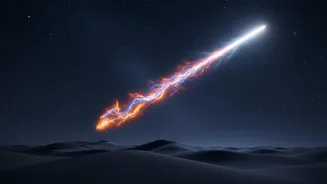
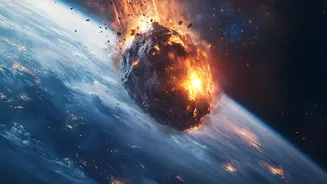
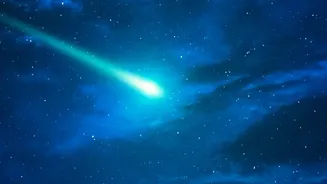
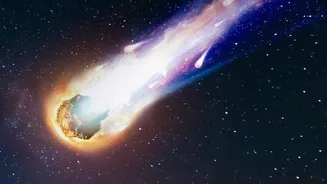
The visual appearance of the event itself offers more clues. A meteor, often called a shooting star, typically appears as a single, sharp streak of light. Very bright meteors, known as fireballs or bolides, can be spectacular and may appear to explode, but they usually start as one point of light. Annual meteor showers like the Perseids in August occur when Earth passes through a dense trail of cometary debris, resulting in many meteors appearing to radiate from the same point in the sky. Re-entering space junk, however, often puts on a different kind of show. As the larger object succumbs to atmospheric heat and pressure, it frequently breaks apart. This can result in a tight cluster of multiple bright points moving together, each leaving its own glowing trail. Seeing a slow-moving, fragmenting object that takes many seconds to cross the sky is a strong indicator that you are witnessing the return of space debris, not a natural meteor.