




The Endless Cycle of Potholes
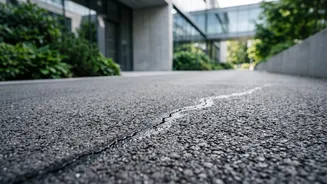
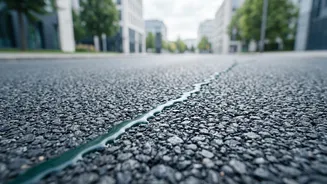
For city dwellers across India, the sight of road crews patching up the same stretches of tarmac is a common occurrence. Heavy traffic, extreme weather, and the inevitable wear and tear lead to a constant cycle of damage and repair. Cracks appear, water
seeps in, and soon, small fissures grow into bone-jarring potholes. This relentless degradation not only damages vehicles and causes traffic snarls but also places a significant strain on municipal budgets. Traditional asphalt, while effective, has a limited lifespan and requires frequent, disruptive, and costly maintenance to keep roads safe and functional.
Meet the 'Smart' Road That Heals
Enter self-healing asphalt, a groundbreaking innovation that could fundamentally change how we build and maintain roads. Unlike its conventional counterpart, this advanced material is engineered to automatically repair minor damage before it becomes a major problem. The concept is simple yet revolutionary: embed special additives into the asphalt mix that can be activated to mend microcracks as they form. This proactive approach extends the pavement's lifespan, enhances its durability, and promises to make the endless cycle of patch-up jobs a thing of the past.
How Does Self-Healing Work?
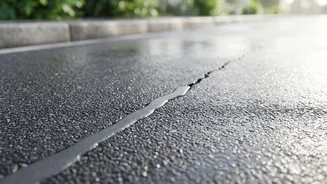
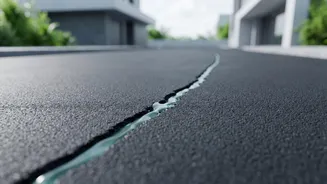
There are several ingenious methods for making asphalt heal itself. One leading technique, pioneered by researchers at Delft University of Technology, involves mixing tiny steel fibres into the asphalt. When microcracks appear, a special induction heating vehicle passes over the road. Its magnetic field heats the steel fibres, which in turn melts the surrounding asphalt binder, allowing it to flow and seal the cracks. Another popular method uses microcapsules filled with a rejuvenating oil, sometimes even sunflower oil. When a crack forms, the capsules rupture, releasing the oil. This agent softens the aged binder around the crack, effectively gluing the pavement back together. Both methods aim to stop damage at an early stage, doubling the road's lifespan in some cases.
The 'Eco' in Eco-Binders
The innovation doesn't stop at self-repair. The other key component is the use of eco-binders, which offer a sustainable alternative to traditional petroleum-based bitumen. Bitumen is the glue that holds asphalt together, but its production has a significant carbon footprint. Eco-binders are derived from renewable and waste sources, such as lignin from the paper industry, agricultural waste, algae, and even recycled cooking oils. By replacing some or all of the fossil-fuel-based bitumen, these bio-binders reduce the road's environmental impact, support a circular economy, and can even lower carbon emissions.
Benefits Beyond a Smoother Ride
The advantages of combining these technologies are immense. The most obvious benefit is longer-lasting roads, which could see their lifespan increase by 30% or more. This translates directly into lower maintenance costs for cities and fewer traffic disruptions from constant roadworks. Safer roads are another major plus, as well-maintained surfaces reduce the risk of accidents caused by potholes and cracks. Environmentally, the benefits are twofold: eco-binders reduce the carbon footprint of road construction, while a longer lifespan means less need for energy-intensive raw materials and repairs over time, promoting a more sustainable infrastructure model.
Are We There Yet?
While self-healing roads with eco-binders hold incredible promise, they are not yet a standard feature on our city streets. The primary hurdles are the higher initial manufacturing costs compared to traditional asphalt and the need for more long-term data on performance in diverse climates and under heavy traffic. Researchers are still working to balance the durability of healing agents during the high-temperature mixing process with their effectiveness in the field. However, as pilot projects continue and the technology becomes more scalable, the long-term savings and environmental benefits are expected to outweigh the upfront investment, paving the way for wider adoption.