





The Comfort We Know
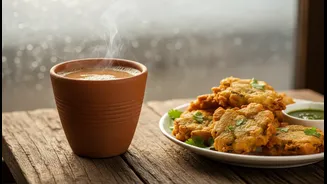
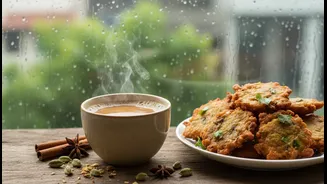
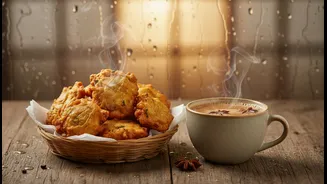
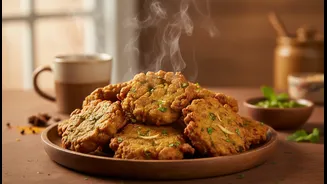
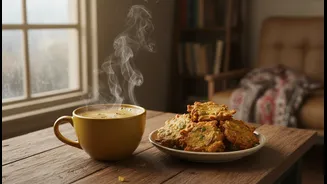
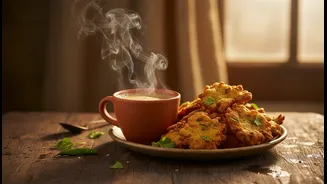
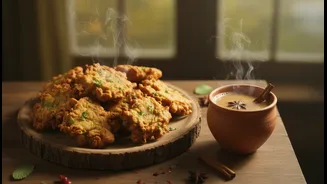
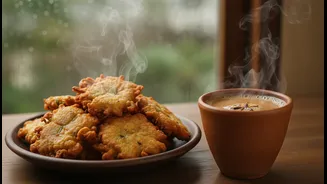
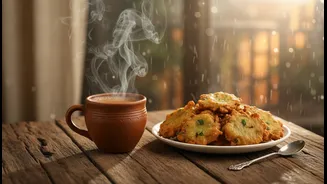
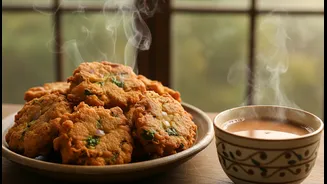
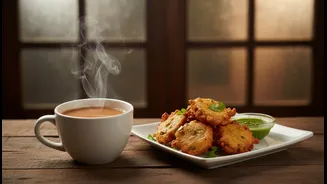
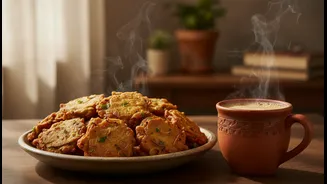
It’s an experience woven into the fabric of Indian life. Dark clouds gather, a cool breeze blows, and an almost primal need for masala chai and a plate of hot, crispy pakoras surfaces. For decades, we've understood this craving through the lens of nostalgia
and sensory pleasure. Psychologists point to the power of association; our brains link the comforting aroma of ginger and cardamom with the safety and warmth of home, often harking back to childhood. The satisfying crunch of a pakora and the contrasting warmth of the tea create a complete sensory experience that feels inherently rewarding, especially against the backdrop of a damp, grey day. This combination of memory, ritual, and texture provides a powerful, but incomplete, picture. The familiar answers are comforting, but they are no longer the only answers.
A Conversation Between Gut and Brain
The first of the “next questions” lies deep within our own bodies. The craving for chai and pakoras isn't just in our heads; it's a complex biological conversation. Modern science points to the gut-brain axis, a communication network that profoundly links our digestive system to our emotional state. When we are stressed or our mood dips, which can happen during overcast weather due to a lack of sunlight, our body seeks a quick fix. Foods high in carbohydrates and fats, like pakoras, can trigger the release of dopamine, the brain's primary reward chemical. This creates a feeling of pleasure and motivation. Simultaneously, the carbs can help boost the production of serotonin, a neurotransmitter associated with feelings of calm and well-being. The warmth of the chai itself contributes, creating a sense of physical and psychological comfort that our bodies are wired to seek when the temperature drops. It’s not just a habit; it’s a form of biochemical self-soothing.
More Than a Snack, It's Social Glue
To stop at biology, however, would be to miss the point entirely. In India, food is rarely just about individual consumption; it is a profoundly social act. The offer of “chai-pakora” is an invitation, a conversation starter, and a ritual of hospitality that strengthens bonds. From college canteens to office breaks and family gatherings, the act of sharing this specific meal fosters a sense of community and belonging. Sociologists argue that in these moments, the craving is not just for the food but for the connection it facilitates. The ritual of preparing and sharing a simple meal provides a moment to pause, to engage, and to reinforce social ties. It’s an edible expression of collectivism, a way of creating a shared, positive experience that punctuates the day and brings people together. The question then becomes: are we craving the fritter, or the friendship it comes with?
An Edible Marker of Identity
On a broader level, the enduring appeal of chai and pakoras speaks to the power of food as a marker of cultural identity. In a rapidly globalizing world, where culinary trends come and go, this humble pairing remains a steadfast and authentic expression of Indianness. It’s a taste that connects millions across different regions, languages, and social strata. The cultural pairing of tea and fried snacks, while not ancient, became a widespread urban ritual in the 20th century, cementing its place in the national consciousness. Choosing to partake in this ritual, whether at a roadside stall or in a high-end cafe, is a small but significant act of participating in a shared cultural narrative. It's a way of saying, “This is who we are.” It’s a flavour profile that, for many, simply tastes like home, reinforcing a sense of belonging in a world of constant change.