







Dr. Shetty’s Optimistic Forecast
Dr. Devi Shetty, a respected voice in Indian healthcare, has offered a surprisingly optimistic long-term forecast. He predicts that within the next five to seven years, India could become the first country to decouple healthcare from wealth. His vision
is based on a confluence of factors: a significant increase in the number of trained doctors, an adequate supply of hospital beds, and the expanding reach of health insurance. The primary missing piece, as he identifies, is the cash to pay for services, a gap he believes can be bridged by both government schemes and affordable private insurance. He argues that innovative models, like health savings accounts and low-cost premiums, could protect a majority of families from crippling medical expenses. This perspective frames the problem not as an insurmountable crisis but as a solvable logistical challenge.
The Anatomy of a Medical Bill
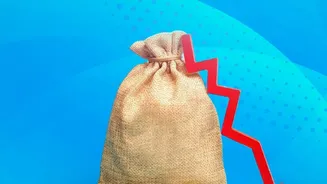
Despite this optimism, the current reality for many households is starkly different. Medical inflation in India is a persistent issue, reportedly running as high as 14%, and is driven by several factors. Advances in medical technology, such as robotic surgery systems and high-end diagnostics, improve care but come at a high cost, much of which is passed on to patients. India's healthcare system also relies heavily on imported medical equipment, making it susceptible to currency fluctuations and global supply chain costs. Furthermore, the growth of the private healthcare sector, which handles a majority of inpatient treatments, means that operating costs—from infrastructure to the rising salaries of medical professionals—directly influence the final bill. These elements combine to create a scenario where even a routine hospital stay can become a major financial event.
When Health Breaks the Bank
The most significant burden on Indian households is out-of-pocket expenditure (OOPE)—the portion of medical costs paid directly by families, without reimbursement from insurance or the state. For years, this has been a primary driver of poverty, pushing an estimated 55 million Indians into poverty annually. A single hospitalisation can wipe out years of savings, forcing families to sell assets or take on high-interest loans. While recent government data shows a promising decline in OOPE as a share of total health expenditure—falling from 64.2% in 2013-14 to 42.7% in 2023-24—the absolute costs remain high. The average cost of hospitalisation can be tens of thousands of rupees, and significantly more in private facilities, a sum that remains beyond the reach of many. This direct financial strain is what makes healthcare a source of deep anxiety for Indian families.
Is There a Financial Vaccine?
Bridging the gap between rising costs and household capacity requires a multi-pronged approach. Government initiatives like the Ayushman Bharat PM-JAY scheme are designed to provide a safety net for vulnerable families, offering cashless coverage for hospitalisation. Reports suggest this scheme has saved families crores in out-of-pocket costs and prevented many from falling into medical debt. However, challenges remain. Health insurance penetration in India is still relatively low, with a significant portion of the population, often dubbed the 'missing middle', lacking any coverage. Even for those with insurance, policies may not cover the full cost of treatment, leaving substantial gaps. Experts like Dr. Shetty emphasise the dual importance of expanding public schemes and innovating in the private insurance space to make comprehensive coverage truly affordable and accessible for all.