








Why Wind Is a Threat to Tall Plants
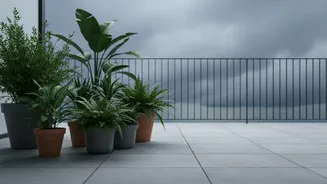
Strong winds pose a significant physical threat to tall and top-heavy plants. The constant force can lead to stem breakage, uprooting, and shredded leaves, often called 'tatters'. Beyond the obvious physical damage, wind also accelerates moisture loss
from leaves through a process called transpiration. This can cause the plant to dry out, leading to wilting, scorched leaves, and overall stress, even if the soil is moist. Cold winds can be particularly harmful, as they can cause desiccation, a state of extreme dryness, when the plant is unable to replace lost water. Young plants with less developed root systems are especially vulnerable to this combination of forces.
The Simple Science of Shelter
A sheltered corner, or any form of windbreak, doesn't stop the wind entirely. Instead, it filters and slows it down. As wind encounters a barrier, its speed is reduced, creating a calmer microclimate on the leeward side (the side away from the wind). A solid barrier like a wall can sometimes create damaging turbulence as wind whips over and around it. A semi-permeable barrier, like a hedge or a slatted fence, is often more effective because it allows some air to pass through, which helps to moderate the pressure difference between the windy and sheltered sides, reducing turbulence. This protected zone can significantly lower the physical force on plants and reduce the rate of water evaporation from their leaves.
How to Find or Create a Sheltered Spot
The easiest way to protect plants is to use existing structures. Planting vulnerable species alongside a house, a sturdy fence, or a garage wall provides immediate protection. Observe your garden to identify its natural microclimates. Notice which areas are shielded from the prevailing winds. These are your prime locations. If your garden is very exposed, you can create your own shelter. A 'sunken garden', where a section is excavated to be lower than the surroundings, can create a wonderfully protected and intimate space. Another strategy is to divide the garden into smaller 'rooms' using hedges or screens to break up long, open spaces and disrupt wind flow.
Building a Better Windbreak
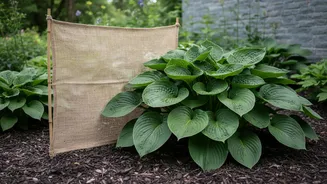
Creating a living windbreak is an attractive and environmentally friendly solution. This can be a single or double row of trees and shrubs planted to blunt the force of prevailing winds. For the best effect, layer plants of different heights. Taller trees slow the wind at a higher level, while shrubs fill in the gaps below. Good choices for living fences include fast-growing evergreens like Thuja 'Green Giant' or dense shrubs like Holly and Viburnum. For a flowering option that also serves as a seasonal windbreak, Rose of Sharon is an excellent choice. In hotter climates, hardy native plants like Acacia or Bottlebrush can be very effective. For immediate protection while a living windbreak establishes itself, you can use artificial screens like woven hazel panels or mesh fencing.
Top Plants That Crave a Calm Corner
Certain plants, due to their height and structure, benefit immensely from a sheltered position. Sunflowers, with their tall stalks and heavy heads, are classic examples of plants that can be easily toppled by wind. Similarly, the towering flower spikes of Delphiniums and Hollyhocks are prime candidates for snapping in a gale. Many varieties of dahlias, prized for their large, dramatic blooms, also have stems that can break under pressure. In the vegetable garden, tall crops like corn and staked tomato plants are also at risk and will be more productive and easier to manage in a less blustery spot. By placing these and other tall, slender plants in a protected corner, you give them the best chance to grow straight and display their beauty without damage.