






The Longevity Paradox
You may have seen studies suggesting that restricting protein could extend lifespan. These are often based on research in organisms like yeast, flies, and mice. In controlled lab settings, animals on lower-protein diets sometimes live longer and healthier
lives. This has led to a widespread belief that 'less protein is better' for healthy ageing. However, what works for a mouse in a cage doesn't automatically apply to humans living complex lives. While restricting protein might offer some metabolic benefits in midlife, the equation changes dramatically as we cross the threshold into our senior years.
Why Needs Shift After 65
As we age, our bodies undergo a crucial change in how they process nutrients. This is particularly true for protein. A phenomenon known as 'anabolic resistance' sets in, meaning the muscles become less responsive to the protein we eat. Think of it like a faulty radio signal; you need to turn up the volume to hear the music clearly. Similarly, an older person's body needs a stronger protein 'signal'—meaning a higher dose—to trigger the same amount of muscle protein synthesis that a younger person achieves with less. So, while a 30-year-old can efficiently use a moderate amount of protein from a meal, a 70-year-old needs more to get the same muscle-building benefit.
The Silent Threat of Sarcopenia
This reduced ability to build and maintain muscle is a primary driver of sarcopenia—the gradual, age-related loss of muscle mass, strength, and function. Sarcopenia isn't just about looking less muscular; it's a serious health issue that can lead to frailty, a higher risk of falls and fractures, reduced mobility, and a loss of independence. It can make simple tasks like carrying groceries, climbing stairs, or getting up from a chair difficult. Insufficient protein intake is a major contributor to this condition, as the body doesn't have the necessary building blocks to repair and maintain vital muscle tissue.
So, What's the Right Amount?
The long-standing recommendation for all adults has been 0.8 grams of protein per kilogram of body weight. For a 70 kg person, that’s about 56 grams per day. However, a growing consensus of experts now argues this is merely the minimum to prevent a deficiency, not the optimal amount for older adults to thrive. International expert groups now recommend that healthy adults over 65 aim for 1.0 to 1.2 grams of protein per kilogram of body weight. That same 70 kg person would need 70 to 84 grams of protein daily. For older adults with chronic or acute illnesses, the recommendation can be even higher, climbing to 1.5 g/kg.
When and How You Eat Matters
It’s not just about the total daily protein; distribution throughout the day is key. Because of anabolic resistance, older adults need to hit a certain threshold of protein at each meal to kick-start muscle building. Research suggests aiming for 25 to 30 grams of high-quality protein with each meal is most effective. A common pattern, especially in India, is a low-protein breakfast (like toast or poha), a moderate lunch, and a large, protein-heavy dinner. This uneven spread is less effective than distributing that intake more evenly. Spreading protein intake helps maintain a steady supply of amino acids for muscle repair all day long.
Putting It on Your Plate
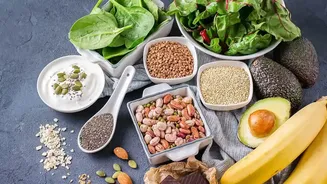
Getting 25-30 grams of protein per meal is achievable. For reference, a large bowl of dal with rice can provide 15-20 grams, a 100g serving of paneer contains over 20 grams, and a similar portion of chicken breast has about 30 grams. Other great sources include eggs (about 6g each), Greek yoghurt (up to 20g per cup), chickpeas, lentils, and fish. Combining different sources can also help. The goal isn’t to obsessively count every gram but to be mindful of including a substantial protein source at breakfast, lunch, and dinner. Pairing your diet with regular physical activity, especially resistance training like lifting weights or using resistance bands, creates the best possible environment for your muscles to use that protein effectively.