






Decoding the Viral Workout Formula
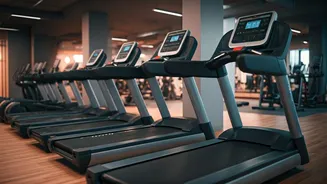
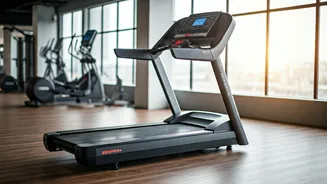
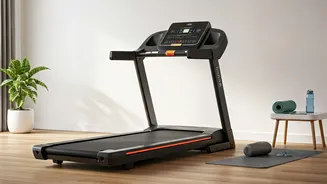
While the name '3 30 Challenge' is used broadly, it most often refers to a popular treadmill workout known as the '12-3-30'. Popularized by social media influencer Lauren Giraldo, the formula is simple: set a treadmill to a 12 percent incline, maintain
a speed of 3 miles per hour, and walk for 30 minutes. Giraldo, who said she wasn't a fan of running, found this routine helped her overcome gym intimidation and achieve her fitness goals. The challenge's core appeal lies in this simplicity. It’s a straightforward, low-impact cardio session that removes the guesswork from a workout, making it accessible to a wide audience.
The Allure of an Accessible Routine
A major reason for the challenge's viral success is its low barrier to entry. Unlike complex weightlifting programs or high-intensity interval training (HIIT), the 12-3-30 is essentially just walking on a steep incline. This makes it far less intimidating for beginners or those returning to exercise after a break. The workout provides a moderate-intensity cardio session without the high impact on joints that comes with running, which is a significant draw for many. This accessibility has allowed a huge number of people to feel like they can participate in a fitness trend that might otherwise seem out of reach, fostering a sense of community and shared progress online.
The Promised Benefits vs. Reality
Advocates of the 12-3-30 challenge claim it delivers a host of benefits, including weight loss, improved cardiovascular health, and strengthened leg muscles like glutes and hamstrings. Walking on a significant incline does substantially increase calorie burn compared to walking on a flat surface and elevates your heart rate, providing a solid cardio workout. However, fitness experts are quick to point out that while it’s a great form of exercise, it isn't a complete fitness solution. A balanced regimen should also include resistance training to build overall strength, particularly for the upper body, and improve metabolism over the long term. Relying solely on this one routine could also lead to overuse injuries or burnout.
Why Influencers Are Its Biggest Champions
This brings us to the core question: why are influencers pushing it so hard? The answer lies in a perfect storm of content strategy and audience engagement. First, the workout is highly relatable. An influencer doing a challenging but achievable walking workout is more accessible to their followers than one performing elite-level feats. Second, it's incredibly easy to create content around. A '30-day challenge' format encourages daily check-ins, progress updates, and before-and-after posts, all of which drive consistent engagement. It creates a narrative that followers can join, using the same hashtag and sharing their own journeys. This builds a strong sense of community, which is gold for an influencer's metrics. The trend's broad appeal also helps influencers expand their audience beyond niche fitness enthusiasts to the much larger market of everyday people looking for a simple start to their health journey.