
The Protein Puzzle Explained
Protein is a vital macronutrient essential for muscle repair, immune function, and overall health. Proteins are made of building blocks called amino acids. Our bodies can produce some amino acids, but there are nine that we must get from food—these are called 'essential
amino acids'. Animal-based foods like meat and dairy are 'complete proteins' because they contain all nine in sufficient amounts. Most plant foods, however, are 'incomplete', meaning they are low in one or more of these essential amino acids. But this is where the wisdom of traditional cuisine shines.
The Magic of Food Combining
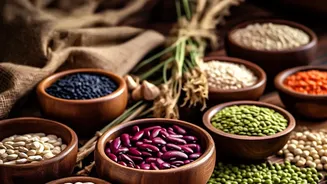
The secret to getting complete protein from plants lies in combining different food groups. Legumes like dal, rajma, and chana are rich in the amino acid lysine but low in methionine. Grains such as rice and wheat are the opposite—low in lysine but higher in methionine. When you eat them together, they create a complete amino acid profile, with each food filling the other's nutritional gap. This is why classic Indian meals like dal-chawal, rajma-roti, and khichdi are not just comfort foods; they are nutritionally complete meals by design.
Powerhouse Pulses: Rajma, Chana, and Peas
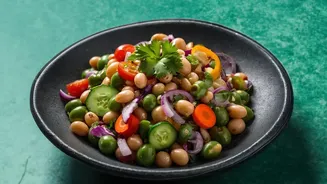
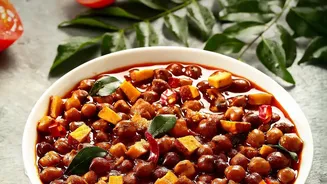
Rajma (kidney beans), chana (chickpeas), and matar (peas) are staples in Indian kitchens for good reason. A single cooked cup of rajma or chickpeas provides around 15 grams of protein, along with substantial dietary fibre. This high fibre content aids digestion, promotes gut health, and helps in managing blood sugar levels by ensuring a slow release of energy. Furthermore, these legumes are packed with essential minerals like iron, magnesium, and potassium, which support heart health and energy production.
Wonderful Whole Grains: The Perfect Partner
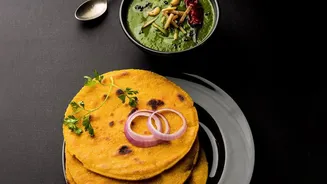
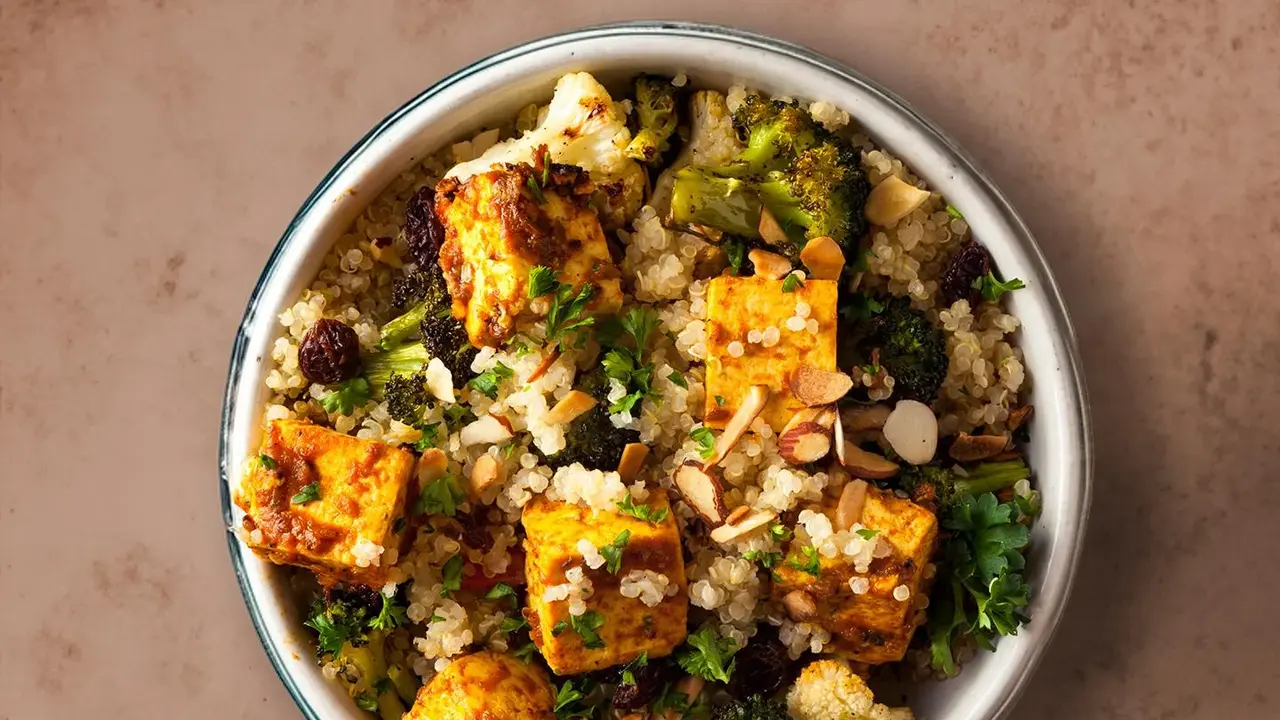
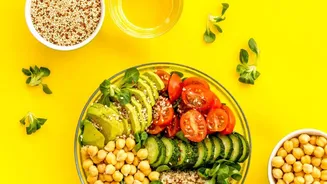
Whole grains are the other half of the complete protein equation. Whole wheat, used to make roti and chapati, complements the amino acids found in pulses. Similarly, brown rice is a better partner than white rice, as it retains more fibre and nutrients. Millets like jowar, bajra, and ragi are also excellent choices, offering a gluten-free alternative that diversifies nutrient intake. Quinoa, while not traditionally Indian, is another grain that is technically a complete protein on its own and integrates well into modern Indian cooking.
Delicious and Complete Protein Pairings
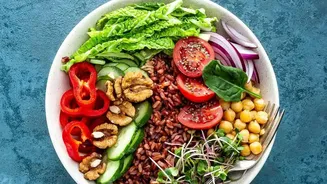
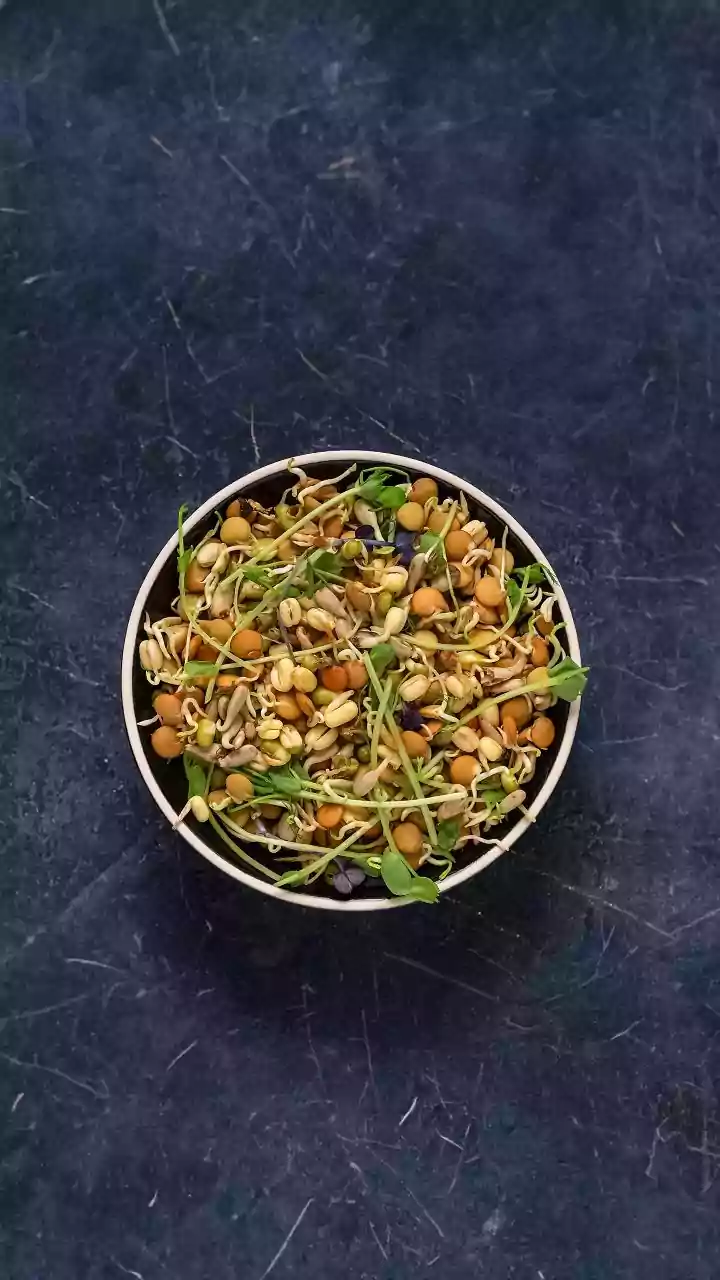
Moving beyond the basics, there are numerous ways to ensure you’re getting a diverse range of plant proteins. A plate of chana masala with whole wheat roti is a classic complete-protein meal. A bowl of rajma-chawal offers a hearty and satisfying combination, providing an estimated 18-22 grams of protein per plate. Even South Indian staples like idli and dosa, made from a fermented batter of rice and urad dal, are perfect examples of protein complementation. For a simple and wholesome meal, a moong dal khichdi provides balanced nutrition in a single pot. Don't forget snacks—a bowl of sprouts or roasted chana can also contribute to your daily protein goals.
Tips for Maximising Plant Protein
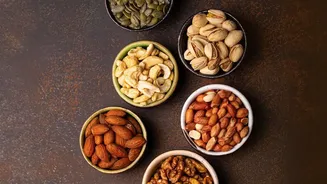
To get the most out of your plant-based diet, variety is key. Rotate through different dals, beans, and grains throughout the week to ensure a wide spectrum of nutrients. You don't necessarily need to combine proteins in every single meal; your body can pool amino acids over the course of a day. Including sides like a bowl of curd (dahi) or a handful of peanuts can further enhance the protein content of your meal. Adding seeds like chia and flax to your rotis, salads, or smoothies is another easy way to boost both protein and healthy fats.