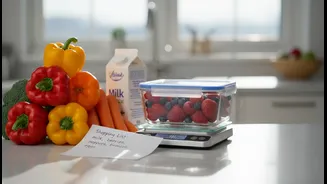





The 'Why': More Than Just Avoiding Waste
The core purpose of rotating your pantry is to use older items before they expire, ensuring freshness and minimising waste. This simple habit can save significant amounts of money over time by preventing you from throwing away perfectly good food. Beyond
the financial benefits, an organised, rotating pantry is a cornerstone of emergency preparedness, ensuring you have a reliable food supply. It also protects your investment; the savings from buying in bulk disappear if the products expire before you can use them. A well-managed pantry transforms your shelves from a chaotic closet into an active, efficient system that supports your daily cooking and prevents last-minute trips to the store.
Step 1: Conduct a Pantry Audit
Before you can create a system, you need to know what you have. Empty your pantry completely and group similar items together—canned vegetables, grains, pastas, and sauces. Check the “best by” or “use by” dates on every item. While many shelf-stable foods are safe past this date, their quality, flavour, and texture may decline. Pay special attention to items with natural oils, like whole grains, nuts, and certain flours, as they can go rancid more quickly. This is also a good time to inspect packaging for any damage, such as dents, rust, or bulging lids on cans, which can indicate contamination. Create an inventory list—on paper or a simple spreadsheet—to keep track of what you have and what you need.
Step 2: Implement the FIFO Method
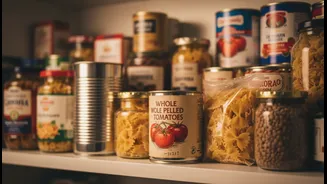
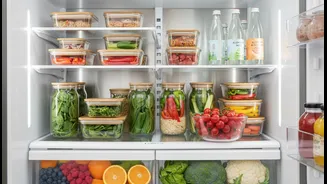
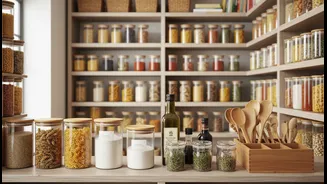
The golden rule of pantry management is “First In, First Out,” or FIFO. This principle, used by grocery stores and professional kitchens, ensures that older products are used before newer ones. To implement it at home, simply place newly purchased items at the back of the shelf. This pushes the older items forward, making them the first thing you see and grab. To make this even easier, consider using clear, stackable containers for things like rice and pasta, allowing you to see what you have at a glance. For canned goods, special rotating racks are available, but even a simple system of lining cans up by date works perfectly. The goal is universal: arrange your pantry so that you can see as much of your stock as possible.
Step 3: Integrate Your Pantry Into Meal Planning
A rotating pantry is only effective if you actively use the items in it. Once a week, before you make your grocery list, “shop” your own pantry. Identify items that are nearing their expiration date and build your meal plan around them. That can of chickpeas can become the base for a quick hummus or falafel sliders. A can of diced tomatoes, some beans, and broth can easily become a hearty Tex-Mex soup or chili. Canned chicken or tuna can be turned into a quick pasta dish, salad, or casserole. Don't be afraid to get creative. Playing “Chopped” with your pantry ingredients can be a fun way to discover new recipes and combinations you might not have otherwise tried.
Making It a Lasting Habit
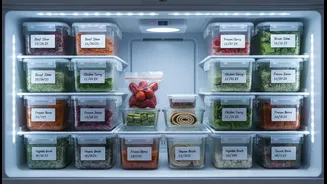
Consistency is key to maintaining an organised pantry. Make rotation a part of your grocery unpacking routine; it only adds a few extra minutes but pays off in the long run. Some people find it helpful to do a monthly check-in, moving older items from a deeper storage area into the main kitchen pantry. You can also use labels or a permanent marker to write the purchase month and year on cans and packages for easy identification. Involve the whole family so everyone understands the system of using the items at the front first. A few minutes of organisation each week or month saves money, reduces food waste, and removes the frustration of finding expired food.