
A New Look for the Festive Table
The traditional Indian festive spread is a sight to behold, a vibrant canvas of regional specialities passed down through generations. But in recent years, a new culinary trend has emerged, with global dishes making a celebrated appearance. Imagine a Diwali
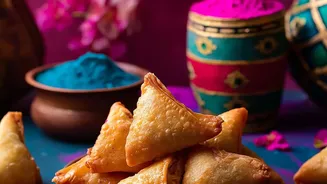
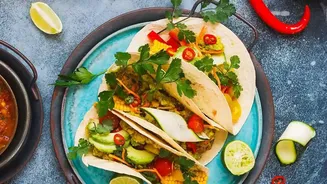
party featuring a build-your-own taco bar with paneer tikka filling, or a Christmas dinner where a rich, layered lasagna sits beside a classic roast chicken. From Indo-Mexican and Indo-Italian to broader Pan-Asian influences, formats like tacos, pizzas, pastas, and noodle bowls are no longer just for restaurant outings. They are being enthusiastically welcomed into home kitchens during occasions like Holi, Diwali, and New Year's celebrations, becoming a part of the celebratory fabric. This isn't about a quiet substitution; it's a joyful, flavourful expansion of what it means to cook and eat together during special times.
Why the Global Menu Is Arriving Now
Several factors are driving this delicious shift. Globalization and media have played a huge role, exposing a generation of Indians to international flavours through travel, television, and social media. As palates become more adventurous, what was once considered foreign is now comfort food for many, especially younger, urban Indians. Furthermore, there's a practical element. Modern life in dual-income households means time is often a luxury. Some global dishes offer a degree of convenience, allowing for advance preparation that frees up hosts to enjoy the festivities. A pasta bake or a cold noodle salad can be prepped ahead, reducing the last-minute kitchen rush. This fusion also brings an element of excitement and novelty to gatherings, allowing hosts to impress their guests with creative and unexpected flavour combinations.
Not a Replacement, but a Fusion
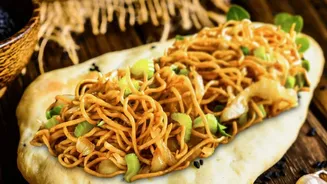
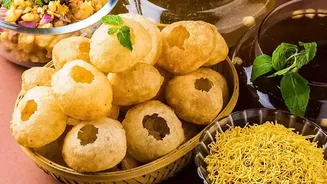
This trend isn't about erasing tradition; it's about creatively blending it. The most popular dishes are often fusions that combine the familiarity of Indian spices with the novelty of a global format. Think butter chicken pasta, masala-spiced tacos, paneer tikka pizza on a naan crust, or even gulab jamun cheesecake for dessert. These dishes act as a bridge, offering something new without straying too far from beloved flavour profiles. Chefs and home cooks are deconstructing classic recipes and reassembling them in inventive ways, such as serving reshmi kebab with a cheese fondue or turning dahi bhalla into a savoury pastry. This playful approach extends to street food as well, with creations like pani puri tacos and schezwan dosas becoming increasingly common. It’s a culinary dialogue between the local and the global, happening right on the dinner plate.
An Expansion of Celebration
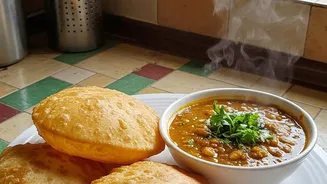
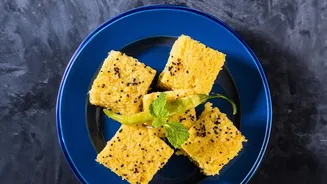
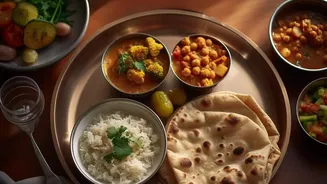
Ultimately, the inclusion of global foods in festive cooking is an act of addition, not subtraction. Traditional dishes like dal makhani, chana masala, and regional sweets remain the undisputed heart of any celebration. Food is central to Indian festivals, symbolizing prosperity, joy, and togetherness. The modern festive table simply makes more room, acknowledging that a family's tastes can be diverse. It reflects a confident, contemporary Indian identity—one that cherishes its deep culinary roots while being open to the world. By adding a global dish, hosts can cater to the tastes of all generations, ensuring that everyone, from grandparents to grandchildren, has something to look forward to. The goal remains the same: to bring people together over a memorable meal. The menu has just gotten a little bigger, and a lot more interesting.