



The Ultimate One-Pot Wonder
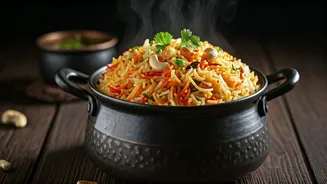
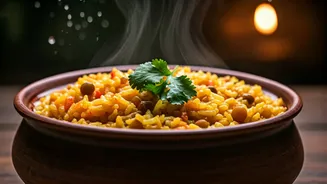
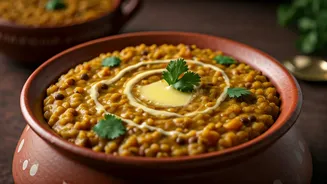
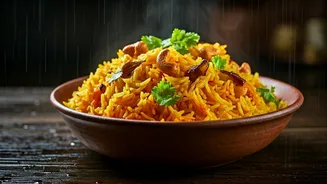
Pulao is more than just a rice dish; it's a sensory experience perfectly suited for the monsoon. The magic lies in its simplicity and its ability to deliver complex flavours from a single vessel. As the rain patters outside, the kitchen fills with the heady
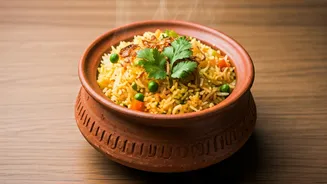
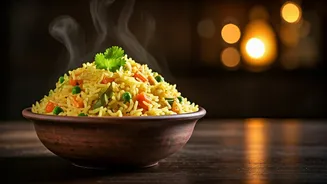
aroma of whole spices—cardamom, cloves, cinnamon—blooming in hot ghee. This fragrance alone is a promise of the warmth and comfort to come. Unlike its more elaborate cousin, biryani, a good pulao is forgiving and quick to assemble. It doesn't demand hours of prep, making it the ideal meal for a lazy, rain-soaked evening when you want maximum satisfaction with minimal fuss. Each spoonful offers a delightful mix of fluffy, fragrant rice, sweet vegetables, and the subtle warmth of spices, creating a culinary hug in a bowl.
Your Pulao Pantry Checklist
The beauty of a vegetable pulao is its adaptability. You can use whatever vegetables you have on hand, but a classic combination creates a perfect balance of textures and flavours. Before you begin, ensure you have these essentials ready. For the base, you'll need 1 cup of long-grain basmati rice, rinsed and soaked for at least 20 minutes. The aromatics are key: 2 tablespoons of ghee or oil, 1 teaspoon of cumin seeds, 1 bay leaf, 2-3 green cardamoms, 2-3 cloves, and a 1-inch cinnamon stick. For the flavour foundation, you'll want 1 medium-sized onion, thinly sliced, 1 teaspoon of ginger-garlic paste, and 1-2 green chillies, slit lengthwise. The heart of the pulao is the vegetables—aim for about 1.5 cups of mixed veggies like diced carrots, green peas, chopped beans, and cauliflower florets. Finally, you'll need 2 cups of water or a light vegetable broth, and salt to taste. A garnish of fresh coriander leaves adds a final touch of brightness.
Crafting Your Rainy Day Pulao
With your ingredients assembled, the process is straightforward. Start by heating the ghee or oil in a heavy-bottomed pot or pressure cooker over medium heat. Add the whole spices—cumin seeds, bay leaf, cardamom, cloves, and cinnamon. Let them sizzle for about 30 seconds until they release their fragrance. Next, add the sliced onions and sauté until they turn a light golden brown. This step is crucial for building a deep, sweet flavour base. Stir in the ginger-garlic paste and green chillies, and cook for another minute until the raw smell disappears. Now, it’s time for the vegetables. Add the heartier ones like carrots and beans first, sautéing for a couple of minutes before adding quicker-cooking ones like peas and cauliflower. Drain the soaked rice completely and add it to the pot. Gently stir everything for about a minute, being careful not to break the delicate rice grains. This light toasting enhances the nutty flavour of the basmati.
Secrets to Fluffy, Fragrant Grains
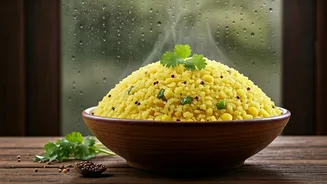
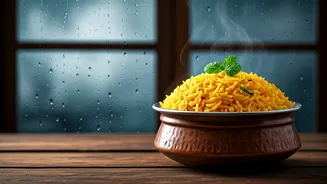
The final step is what separates a good pulao from a great one. Pour in your 2 cups of water or broth and add salt to taste. Bring the mixture to a rolling boil. If you're using a pot, reduce the heat to the lowest setting, cover it with a tight-fitting lid, and let it cook for 15-20 minutes without peeking. This 'dum' method traps the steam, cooking the rice perfectly. If using a pressure cooker, secure the lid and cook for 2 whistles on medium heat. Once cooked, let the pot or cooker rest, sealed, for at least 10 minutes. This allows the grains to absorb any remaining moisture and firm up. Do not stir the pulao immediately. Instead, open the lid and gently fluff the rice with a fork. This separates the grains, ensuring a light, non-sticky texture. The result should be perfectly cooked, distinct grains of rice, each infused with the aroma of spices and the flavour of the vegetables.
The Perfect Companions
While a well-made pulao is a complete meal in itself, the right accompaniments can elevate it further. A simple bowl of cooling raita—plain curd whisked with a pinch of roasted cumin powder and salt—provides a perfect contrast to the warmth of the rice. You can also make a boondi raita or a simple onion-tomato raita for extra texture and flavour. A crunchy roasted or fried papad is another non-negotiable for many, adding a satisfying textural element to the meal. And of course, no Indian meal feels quite complete without a spoonful of your favourite pickle (achaar) on the side, its tangy, spicy notes cutting through the richness of the pulao. These simple additions transform your one-pot dish into a full-fledged, comforting feast.