






The Dark Side of a Kitchen Staple
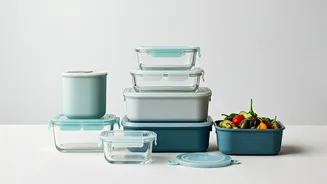
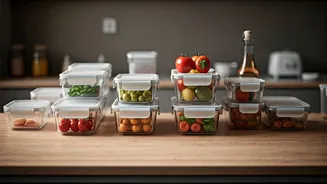
Plastic food containers are everywhere, a cornerstone of meal prep, packed lunches, and saving last night’s dinner. Their lightweight, durable, and cheap nature made them an easy choice. But growing scientific evidence suggests our reliance on them comes
with hidden costs to both our health and the environment that we are only now beginning to fully understand. The convenience is undeniable, but experts are increasingly urging a more critical look at what happens when our food spends hours, days, or weeks sitting in plastic, and especially what happens when we heat it.
The Health Question: More Than Just BPA
For years, the main health concern was Bisphenol A (BPA), an industrial chemical linked to hormone disruption. This led to a wave of "BPA-free" products. However, this label doesn't necessarily mean a product is safe. Many manufacturers simply replaced BPA with similar chemicals like Bisphenol S (BPS), which studies suggest may have comparable endocrine-disrupting effects. But the bigger story now is microplastics. Studies show that plastic containers can shed millions of microscopic and even smaller nanoplastic particles into our food. This process is massively accelerated by heat, such as microwaving. One study found that a three-minute microwave session could release over two billion nanoplastics and four million microplastics from just one square centimetre of container surface. These particles can carry harmful chemical additives and have been linked in studies to inflammation, cellular damage, and liver issues.
The Recycling Myth
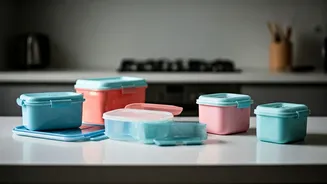
We dutifully rinse our takeaway tubs and toss them in the blue bin, feeling like we’ve done our part. Unfortunately, the reality of plastic recycling is grim. While many containers, like those made from polypropylene (PP, #5), are technically recyclable, the system is fraught with problems. Food residue, grease, and mixed materials can contaminate entire batches, leading them to be rejected and sent to a landfill. Furthermore, most plastics are not infinitely recyclable like glass or aluminum. They are often "downcycled" into lower-quality products like park benches or road filler, which are not recycled again. The economics don't help; it's often cheaper for manufacturers to produce new plastic from fossil fuels than to use recycled materials. As a result, a shockingly small percentage of plastic packaging is ever actually recycled.
Smarter, Safer Food Storage
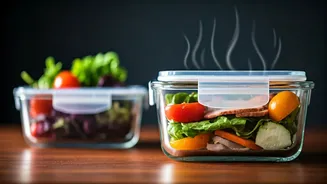
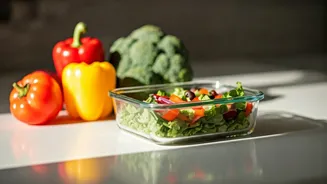
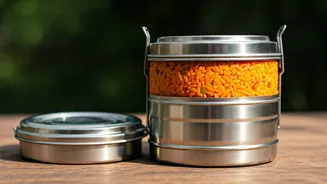
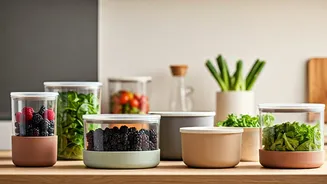
This reality check doesn't mean you need to banish every piece of plastic from your kitchen overnight. It’s about making smarter, more informed choices. The number one rule experts agree on is to avoid heating food in plastic containers, even if they're labelled "microwave safe." That label only means the container won't melt, not that it won't leach chemicals or particles. When it comes to storage, consider investing in alternatives. Glass containers are a top choice as they are non-toxic, don't leach chemicals when heated, and don't absorb food odours or stains. Stainless steel is another durable, safe option, though it's not microwave-safe and shouldn't be used for storing acidic foods for long periods. Silicone, while still a polymer, is generally considered more stable and a safer choice than traditional plastic, especially for things like reusable storage bags.