




Tragedy in an Instant
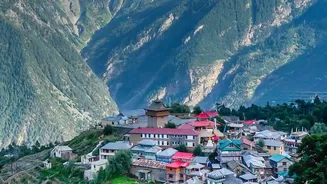
On Wednesday, August 26, 2026, trekkers and pilgrims in Nepal's Rasuwa district were caught in a catastrophic flash flood. An avalanche of ice and rock from a glacier is believed to have blocked the Lhende Khola river, which then burst its banks in a sudden,
violent surge. The torrent of water, mud, and debris swept through villages and popular trekking routes, destroying roads, bridges, and homes. The disaster left hundreds of people, including many foreign tourists and local guides, dead or missing. The event highlights a terrifying reality of high-altitude environments: a calm morning can turn into a lethal crisis with almost no warning, transforming a dream trip into a desperate fight for survival.
The Science of Sudden Storms
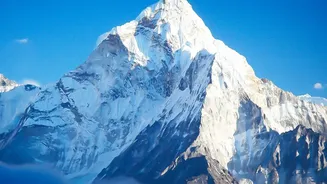
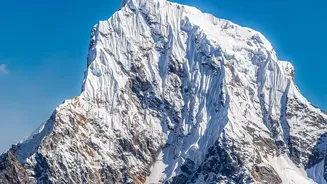
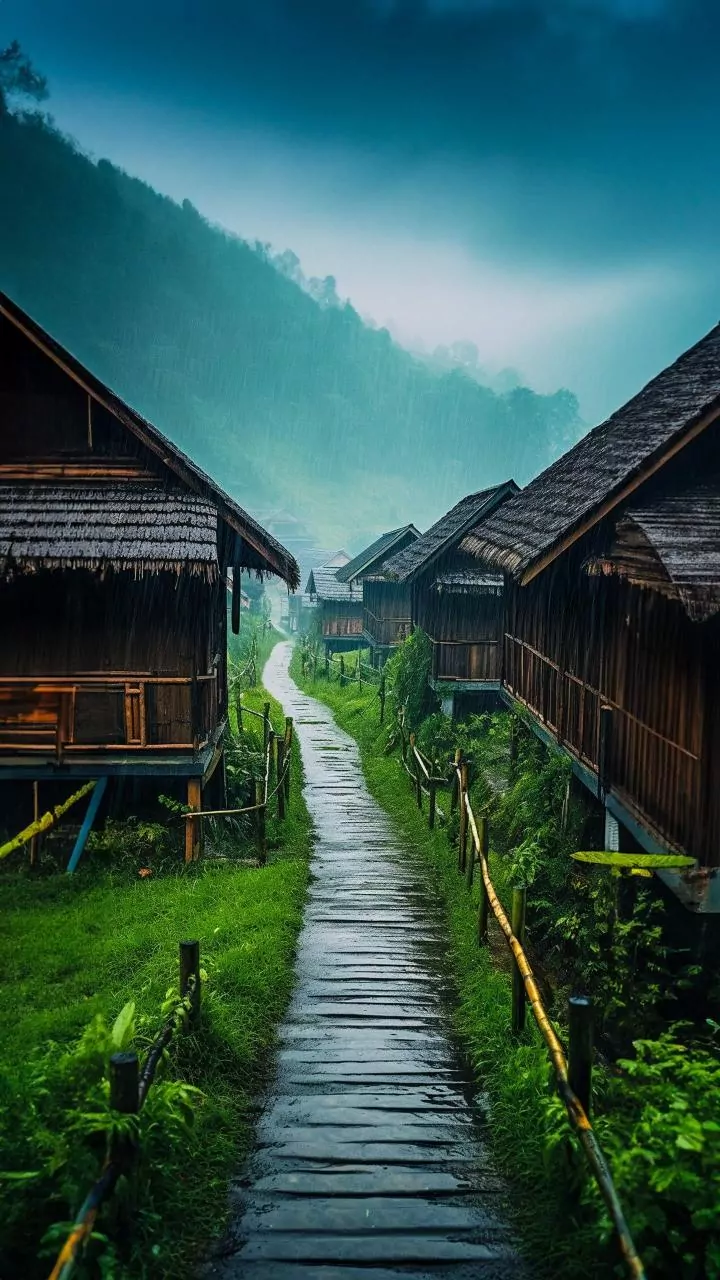
Why is mountain weather so notoriously fickle? The primary reason is the terrain itself. When moving air hits a mountain, it's forced rapidly upward. This process, known as orographic lift, causes the air to cool quickly. As it cools, the moisture it holds condenses, forming clouds and then precipitation, often in the form of intense rain or snow. This can happen on a hyper-local scale, creating a blizzard on one side of a ridge while the other remains sunny. Adding to the complexity are diurnal patterns, where the sun heats rock faces during the day, creating rising air and afternoon thunderstorms, which can be followed by cold, sinking air at night. This means that a clear sky in the morning is no guarantee of a safe afternoon.
More Than Just Snow and Floods
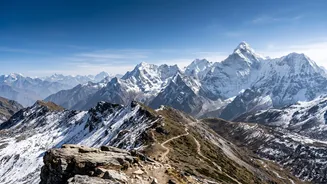
While sudden blizzards and flash floods are dramatic examples, they are not the only weather-related dangers. The constant cycle of freezing and thawing can loosen rocks, leading to spontaneous and dangerous rockfalls. Intense sunlight, amplified by altitude and reflected by snow, can cause severe sunburn and snow blindness in the unprepared. Furthermore, poor weather conditions like whiteouts or dense fog can disorient even experienced trekkers, causing them to lose their way on what should be a familiar trail. These conditions also seriously complicate any potential rescue efforts, making a twisted ankle a life-threatening situation. Compounding all this is the risk of altitude sickness, a condition that can be exacerbated by the physical stress of dealing with harsh weather.
How to Prepare for the Unpredictable
Respecting the mountains means being prepared for their worst moods. The first rule is to never trek alone; always hire a licensed, experienced local guide or join a reputable group. Local guides possess invaluable knowledge of the terrain and its microclimates. Secondly, your packing list is your lifeline. This includes waterproof layers, warm clothing, sturdy and broken-in hiking boots, and high-quality sunglasses. Do not skimp on gear. Third, build flexibility into your itinerary. Add extra 'contingency days' so you can wait out bad weather without pressure to push onward. The mountain will still be there tomorrow. Finally, carry an emergency communication device, such as a satellite phone or a personal locator beacon (PLB), and ensure your travel insurance explicitly covers high-altitude trekking and helicopter rescue.