


An Environment of Extremes
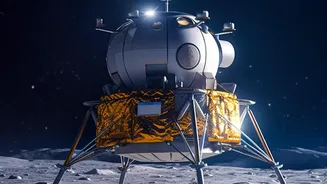
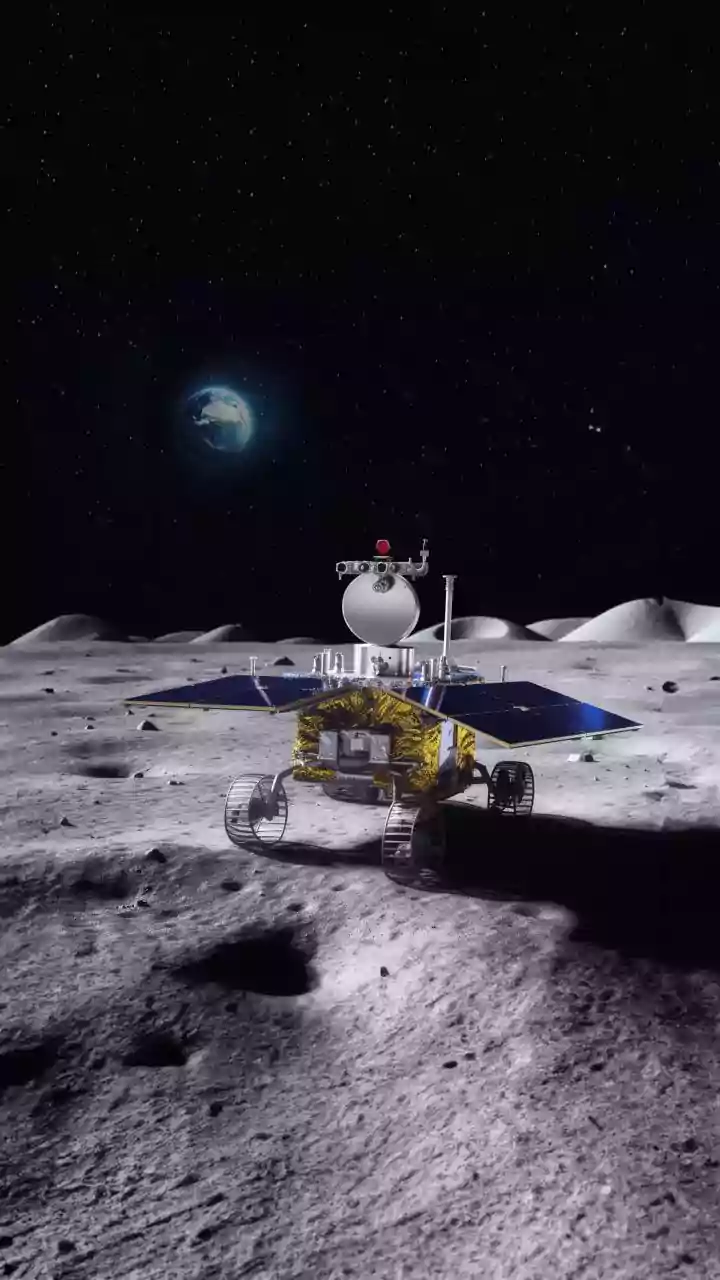
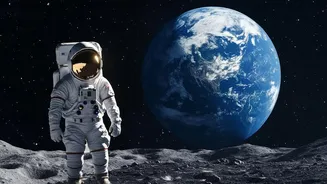
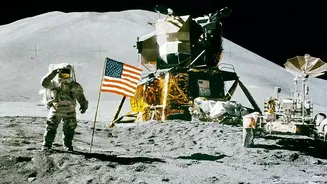
The Moon has no atmosphere or global magnetic field to act as a shield. This leaves its surface exposed to a brutal combination of threats. The first is temperature. During a lunar day, which lasts about 14 Earth days, surface temperatures can soar to a blistering
120°C. Then, during the equally long lunar night, they plummet to a frigid -130°C, with some permanently shadowed craters reaching an even colder -250°C. Without robust thermal insulation, no human or piece of equipment could survive such a violent swing. But an even more insidious danger lurks.
The Invisible Threat of Radiation
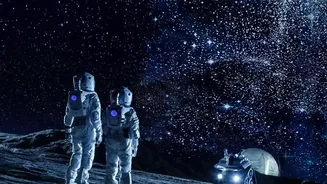
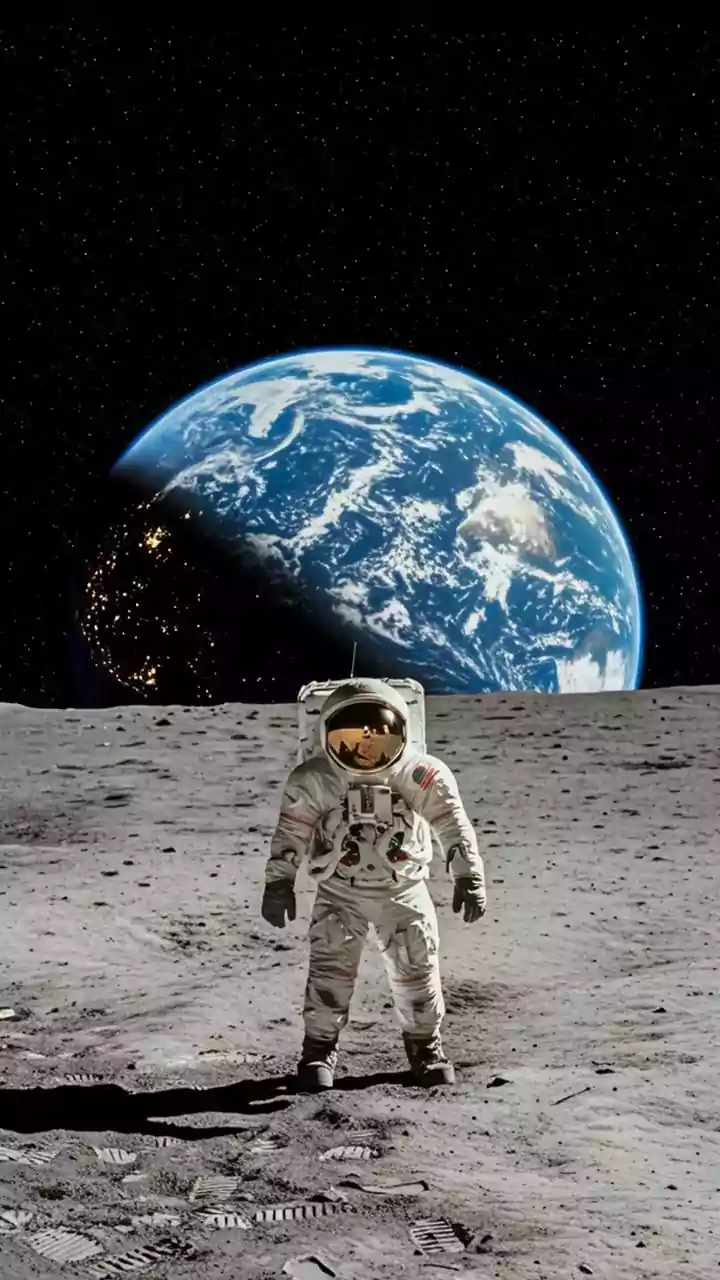
Without the protective layers of an atmosphere and magnetosphere that we enjoy on Earth, astronauts on the Moon are bombarded by radiation from two main sources: a constant stream of galactic cosmic rays (GCR) from deep space, and sudden, intense bursts of solar energetic particles (SEP) from the Sun. This exposure can damage human DNA, increasing the long-term risk of cancer and causing acute radiation sickness in high doses. In fact, an astronaut on the lunar surface is exposed to around 200 times more radiation than someone on Earth. Simply putting a metal roof over their heads isn't enough; future lunar habitats must be engineered as sophisticated radiation shelters.
Building with Moon Dust
One of the most promising solutions involves using the Moon's own resources. Transporting materials from Earth is incredibly expensive, so the ability to build with local materials, a concept known as in-situ resource utilization (ISRU), is a game-changer. The loose soil and rock on the lunar surface, called regolith, can be an excellent building material. Space agencies like NASA and ESA are heavily invested in developing 3D-printing technologies that can melt or bind regolith to construct habitat walls layer by layer. A thick layer of compacted regolith, several meters deep, can provide substantial protection from both radiation and micrometeoroid impacts, much like an earthen bunker. Research shows that while regolith alone is effective, combining it with hydrogen-rich materials can offer even better shielding.
Going Underground in Lava Tubes
Nature may have provided a ready-made solution. Billions of years ago, the Moon was volcanically active, and one result of this activity is the formation of lava tubes—vast, underground caverns left behind by ancient lava flows. These subterranean tunnels, some potentially large enough to house a city, are seen as prime real estate for a future lunar base. The thick ceiling of rock and regolith offers natural and highly effective shielding from radiation, micrometeorites, and the wild temperature swings on the surface. Inside a lava tube, the temperature is believed to be a relatively stable and balmy -20°C to 17°C. NASA is actively developing missions to explore these pits and confirm their suitability as a haven for astronauts.
Inflatable Homes and Advanced Materials
In addition to using lunar geology, engineers are designing advanced, lightweight structures that can be transported from Earth. Inflatable habitats, made from high-tech, durable fabrics, can be launched in a compact form and then expanded to full size on the lunar surface. These modules would then likely be covered with a thick layer of regolith for protection. Beyond inflatables, scientists are developing novel materials specifically for radiation shielding. Materials rich in hydrogen, like certain polymers (such as polyethylene) and even water, are particularly effective at blocking dangerous space radiation. Researchers are even creating new composites that blend polymers with regolith simulant or graphene to create multi-functional materials that are strong, lightweight, and protective.