






Reading the Signs of Retreat
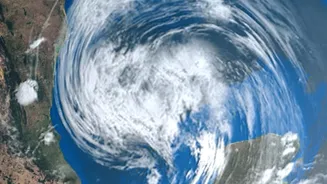
The four-month-long monsoon season, a lifeline for India's economy and agriculture, is entering its final phase. Recent satellite imagery shows vast stretches of the country, particularly in the northwest and central regions, with significantly reduced
cloud cover. This is a classic visual cue that the powerful weather system is weakening. However, these clear skies are just a precursor. The India Meteorological Department (IMD) has indicated that the formal withdrawal process is expected to commence from parts of northwest India only after September 15. The process typically begins in West Rajasthan and works its way southeast across the country over several weeks. Forecasters note that the atmospheric conditions, including the formation of an anticyclone over the northwest, will likely mature around September 21, creating the right environment for an organised retreat.
An Erratic and Uneven Season
The 2026 monsoon has been anything but uniform. Marked by prolonged dry spells and intense, short bursts of rain, the season has been erratic. As of early September, the country as a whole is facing a rainfall deficit of around 14%. This shortfall is largely attributed to the strengthening El Niño phenomenon, which warms the Pacific Ocean and tends to suppress monsoon rainfall over India. The impact has been uneven across regions. While South Peninsular India and East and Northeast India have recorded significant deficits, some areas have experienced floods and landslides from isolated, intense downpours. August 2026 was recorded as the hottest and one of the driest since 1901, further highlighting the season's unusual character and setting the stage for a complex withdrawal phase.
Not a Full Stop for Rain
The monsoon's withdrawal does not mean the rain will stop everywhere at once. In fact, for some regions, the final days of the season will be quite wet. The IMD has forecast continued heavy rainfall for several states, including Himachal Pradesh, Uttarakhand, and parts of Madhya Pradesh, through mid-September. Similarly, parts of Northeast India are also expected to receive heavy spells. In stark contrast, Peninsular India is likely to see subdued rainfall activity for the next week, worsening the existing deficit in the region. This demonstrates the nature of the withdrawal: it is a slow, staggered retreat where rainfall activity ceases in the north and west while continuing in other parts of the country, often in intense bursts.
The Northeast Monsoon Awaits
As the Southwest Monsoon retreats, another weather system waits in the wings: the Northeast Monsoon. Also known as the 'retreating monsoon', this system brings crucial rainfall to southeastern parts of the country, primarily Tamil Nadu, Puducherry, coastal Andhra Pradesh, and parts of Kerala and Karnataka. This rainy season, which typically occurs from October to December, is vital for agriculture and replenishing reservoirs in these states. However, meteorologists have expressed concerns that the 2026 Northeast Monsoon could be delayed or patchy, influenced by the same large-scale atmospheric patterns affecting the Southwest Monsoon. A weaker-than-normal Northeast Monsoon would be a significant blow to the region, which has already experienced a deficient primary monsoon season.
Impact on Fields and Farms
The timing and intensity of the monsoon's withdrawal have direct consequences for India's agricultural sector. The moisture left in the soil by the departing monsoon is critical for the sowing of winter (Rabi) crops like wheat, rapeseed, and chickpeas, which typically begins in October. A deficient season, coupled with a dry and warm September, could leave soil moisture levels too low, hampering seed germination and growth. The lack of rain has already impacted summer-sown crops, with concerns over yields for water-intensive plants like sugarcane and rice. A poor Rabi season following a deficient Kharif season could strain food supplies and potentially lead to increased imports of commodities like sugar and edible oils to meet domestic demand.