



Know When to Separate
One of the most common mistakes is storing all your produce together. Many fruits, like apples and bananas, release ethylene gas, which acts as a ripening agent for other produce. Storing these away from ethylene-sensitive vegetables like cucumbers, leafy
greens, and carrots can prevent them from spoiling prematurely. Similarly, keep potatoes and onions apart. Onions can cause potatoes to sprout, while the moisture from potatoes can make onions soft and soggy. Both should be stored in a cool, dark, and well-ventilated place, just not side-by-side.
Treat Herbs Like Flowers
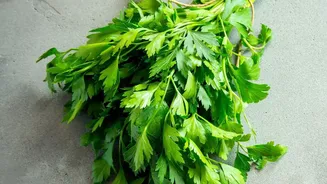
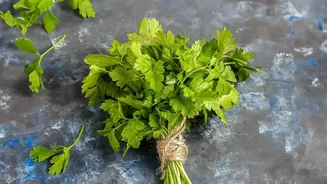
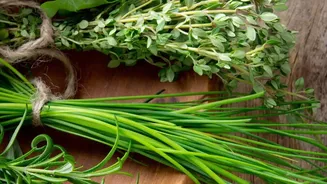
Don’t let that expensive bunch of parsley or coriander wilt after one day. For fresh, tender herbs, trim the stems and place them upright in a jar with an inch or two of water, just like a bouquet. You can cover the leaves loosely with a plastic bag and store them in the refrigerator to extend their life significantly. This simple trick keeps them hydrated and ready for use all week long.
The Ice Water Shock
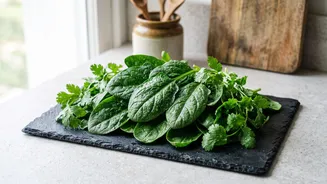
Have your leafy greens, celery, or carrots gone limp? Don’t toss them. Most of the time, this just means they’ve lost water. You can revive them with a quick ice water bath. Submerge wilted greens, like lettuce or spinach, completely in a bowl of cold, icy water for 15-30 minutes. For celery, carrots, or broccoli, you can trim the ends and stand them in a glass of cold water in the fridge. You’ll be amazed as they crisp back to life.
Master Your Crisper Drawer
The crisper drawer isn't just another compartment; it’s designed to control humidity. Generally, you should use one drawer for high-humidity items and another for low-humidity. Leafy greens, broccoli, and peppers benefit from high humidity, which keeps them from wilting. Fruits that release ethylene gas should be in the low-humidity drawer to allow the gas to escape. A great hack is to line your crisper drawer with a paper towel to absorb any excess moisture, which can cause rotting. Be careful not to overcrowd the drawer, as good air circulation is key.
Wash Only Before Use
While it may seem efficient to wash all your produce as soon as you get home, this is often a mistake. Excess moisture is a major cause of mold and spoilage. Vegetables are best stored unwashed. Right before you’re ready to cook or eat them, give them a thorough rinse. The only exception is if they are very sandy or dirty, in which case you should ensure they are dried completely before storing. Wrapping leafy greens in a dry paper towel inside a bag can help manage moisture.
Turn Scraps into Gold
A true zero-waste approach means using every part of the vegetable. Keep a bag in your freezer for clean vegetable scraps like onion peels, carrot ends, celery tops, and mushroom stems. Once the bag is full, you can simmer the scraps in water to create a flavourful and free vegetable broth. This broth is perfect for making soups, stews, or cooking grains, adding extra nutrients and flavour to your meals while ensuring nothing goes to waste.