






The Expressway Effect
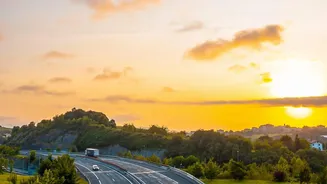
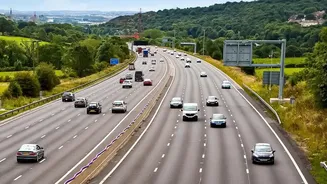
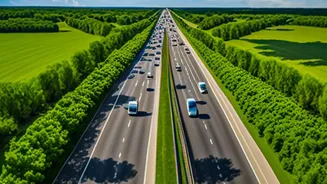
India is in the midst of an unprecedented road construction boom. Ambitious projects like the Bharatmala Pariyojana are focused on creating a network of high-speed economic corridors, expressways, and coastal roads. The results are tangible. The massive
Delhi-Mumbai Expressway, for instance, has dramatically reduced travel times between the two metros and the cities in between. Similarly, Maharashtra's Samruddhi Mahamarg has cut the journey from Mumbai to Nagpur from around 16 hours to just eight. This isn't just about logistics; it's a fundamental change in the calculus of leisure travel. A journey that once required a long weekend and careful planning can now be a casual Friday-to-Sunday affair, encouraging a surge in road trips.
Classic Destinations, Now Closer
For city dwellers in Delhi, the new expressway has brought Rajasthan's famed heritage much closer. A trip to Jaipur, which could previously take five to six hours, is now possible in around half that time. This makes destinations like the Sariska Tiger Reserve, Alwar, and even cities like Ajmer and Chittorgarh far more appealing for a two-day break. From Mumbai, the well-trodden paths to Lonavala and Mahabaleshwar are now smoother and faster, but the real game-changer is the improved access to places further afield. The Samruddhi Mahamarg, for example, opens up access to religious hubs like Shirdi and historical sites such as the Ajanta and Ellora Caves, which were previously arduous to reach by road.
The Rise of the Unconventional Getaway
Perhaps the most exciting outcome of this new connectivity is the emergence of previously overlooked destinations. Small towns and rural areas located near these new arterial roads are finding themselves on the tourist map for the first time. Improved access is encouraging travellers to explore beyond the usual hotspots, seeking out authentic experiences in lesser-known locations. Destinations near the Delhi-Mumbai Expressway like Behror in Rajasthan are becoming convenient midway points and destinations in their own right. In Maharashtra, the corridor is expected to boost tourism to places like the Lonar crater lake. This trend disperses tourist traffic away from overburdened hubs and spreads the economic benefits more widely.
Economic Ripples and Growing Pains
The boom in weekend tourism is creating new economic opportunities in its wake. Local economies are benefiting from the influx of visitors, leading to the growth of homestays, restaurants, and guide services. This development provides a significant boost to regional employment and entrepreneurship, channeling money directly into communities that may have been bypassed by economic growth in the past. However, this rapid growth is not without its challenges. There is a pressing need for sustainable tourism planning to ensure these newly popular destinations can cope with the increased footfall. Without careful management, there's a risk of environmental strain, pressure on local infrastructure, and the erosion of the very culture that makes these places attractive.