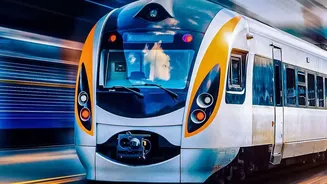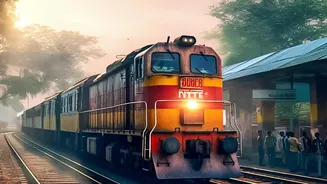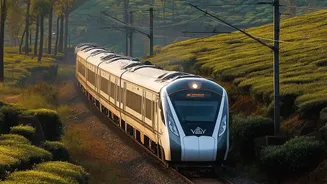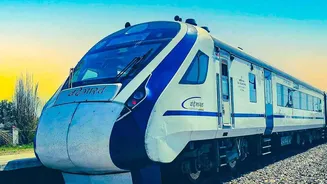




The Vande Bharat Express, Indian Railways' premier semi-high-speed service, is known for its speed and comfort. Now, its catering service is undergoing a significant experiment that might redefine the onboard dining experience for passengers.
A New 'Less is More' Approach
The Indian
Railway Catering and Tourism Corporation (IRCTC) has initiated a pilot project to offer a more compact meal menu. This trial, which began on November 1, is currently active on three Vande Bharat sleeper routes: New Delhi-Varanasi, Mumbai-Bengaluru, and Howrah-Kamakhya. The core idea is to move from an elaborate spread of 8 to 10 items per meal to a more focused offering of just four. This change affects breakfast, lunch, and dinner services, adopting a model that is more comparable to airline catering. The trial is being closely monitored, and a decision on whether to continue or expand it to other trains will be based on passenger feedback and the overall results.
What's Off the Menu?
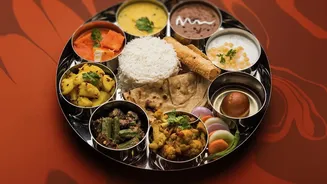
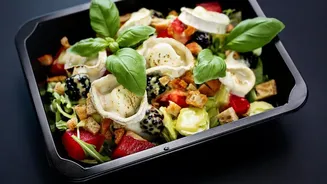
Passengers on these routes will notice a significant change in their meal trays. For breakfast, items like soup, omelettes, sandwiches, buttermilk, and chocolates have been removed. Similarly, the lunch and dinner services will no longer include accompaniments such as a dry vegetable dish, curd, salad, pickles, and sweets. The new breakfast menu offers a single option like idli and vada, poha, or upma. Lunch and dinner will consist of chapati, rice, dal, and one main vegetable or chicken dish. This streamlining has also resulted in a lighter meal, with the total weight dropping from around 700-750 grams to about 450-500 grams. Officials have clarified that this reduction comes from removing entire items, not from shrinking the portion sizes of the remaining dishes.
The Rationale: Quality Over Quantity
The primary driver for this change is a push to improve food quality, hygiene, and consistency. For years, Indian Railways has faced passenger complaints regarding the catering services, with issues ranging from stale or cold food to poor hygiene. IRCTC officials believe that a shorter menu will allow for better monitoring of each dish. By reducing the variety, catering teams can focus on ensuring the quality and freshness of the items that are served. This focused approach is intended to simplify preparation, enhance quality control, and ultimately address the long-standing concerns voiced by travellers. In fact, IRCTC's West Zone reported a 10% drop in catering complaints between October 1 and November 15, 2026, coinciding with new catering arrangements.
New Kitchens, New Partners
To support this quality-focused initiative, IRCTC is also changing how the food is sourced and prepared. Instead of relying on previous vendors, the meals for these trial routes are being prepared in large, professional cloud kitchens. IRCTC has partnered with established names in the hospitality industry to manage the catering. These include the Sarovar Portico Group for the New Delhi-Varanasi route, TajSATS for the Howrah operations, and the Mayfair Group for the Kamakhya line. This move to collaborate with major catering companies that also serve airlines and hotels is a clear signal of intent to elevate the standard of food served on these premium trains.
The Passenger Perspective
For the passenger, this experiment presents a trade-off. While the promise of higher quality and more hygienic food is a welcome development, it comes at the cost of variety and a smaller overall meal. The Vande Bharat experience is marketed as a premium service, and catering is a significant part of that package, with charges often included in the ticket fare. Passengers will be the ultimate judges of whether a simpler, higher-quality meal is a fair exchange for a tray that no longer includes the variety they were accustomed to. The success of this pilot programme will hinge on whether travellers perceive the change as an upgrade in quality or a reduction in service. Their feedback will be crucial in shaping the future of catering not just on Vande Bharat trains, but potentially across the entire Indian Railways network.