







An Annual Ritual of Comfort
There's a certain magic to the Indian monsoon. It’s a season of relief and romance, of pakoras and long drives. And at the heart of this experience is the humble cup of chai. It’s more than just a beverage; it's a punctuation mark in our day, a ritual
that brings comfort and conversation. When the skies turn grey and the temperature drops, the act of brewing and sipping a hot, spiced tea becomes a source of immense psychological warmth. While a simple adrak-elaichi chai is a year-round staple, the monsoon calls for an ingredient that does more than just taste good. It calls for a hero, and year after year, that hero is Tulsi.
Introducing the Queen of Herbs
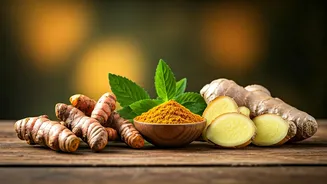
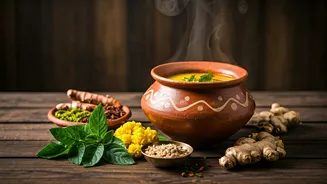
Tulsi, or Holy Basil, isn't just another herb in the spice box. Revered in India for millennia, it holds a sacred place in courtyards and traditional medicine cabinets alike. Known as the "Queen of Herbs" in Ayurveda, Tulsi is celebrated for its holistic healing properties. It is classified as an adaptogen, which means it helps the body adapt to stress and maintain balance. For generations, Indian grandmothers have reached for Tulsi leaves at the first sign of a sniffle or cough. Adding it to chai is not a modern wellness trend but a time-honoured tradition, a simple and effective way to integrate its potent benefits into our daily lives, especially when our bodies need it most.
A Shield Against Monsoon Ailments
The monsoon brings joy, but it also brings a spike in seasonal illnesses. The dampness and humidity create a breeding ground for bacteria and viruses, leading to a rise in colds, coughs, sore throats, and fevers. This is where Tulsi chai truly shines. The leaves of the Holy Basil plant are packed with essential oils and antioxidants that possess powerful antibacterial, antiviral, and antifungal properties. Regular consumption can help bolster the immune system, making you less susceptible to common infections. Its expectorant properties help clear congestion in the respiratory tract, providing relief from a nagging cough. Furthermore, Tulsi aids digestion and can help soothe the stomach, another common concern during this season of indulging in fried snacks.
Brewing the Perfect Monsoon Potion
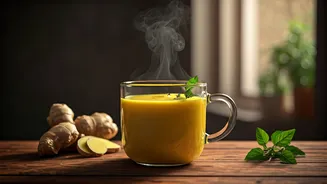
Making Tulsi chai is beautifully simple, requiring no special equipment, just a little time and care. The key is to let the herb infuse properly to extract its full benefits and flavour. Start by bringing one cup of water to a boil in a saucepan. Add 5-6 fresh Tulsi leaves (or half a teaspoon of dried Tulsi), along with a teaspoon of grated ginger and a crushed green cardamom pod for extra warmth and flavour. Let this mixture simmer for about 3-4 minutes. Now, add one teaspoon of strong black tea leaves and let it brew for another minute. Finally, add half a cup of milk and your preferred sweetener (sugar, jaggery, or honey). Bring it to a final boil, then strain and serve hot. The aroma itself is a form of therapy, a fragrant promise of the comfort to come.
More Than Just a Health Drink
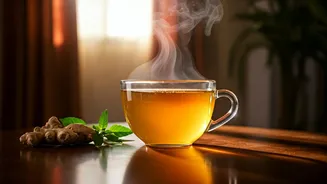
While the health benefits are undeniable, the enduring appeal of Tulsi chai lies in its role as a ritual. It’s the feeling of plucking fresh leaves from the pot on your balcony. It’s the fragrant steam that fills the kitchen. It’s the feeling of the warm mug in your hands as you watch the rain fall outside your window. This simple act connects us to nature, to tradition, and to a sense of self-care that feels both ancient and incredibly modern. In a world of complex wellness fads, the wisdom of turning to a simple, homegrown herb offers a grounding and accessible path to well-being. It’s a reminder that sometimes, the most heroic solutions are the ones that have been with us all along.