


What Is Pet Enrichment, Really?
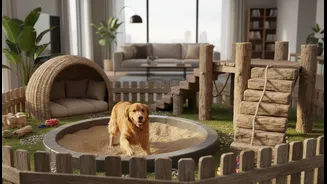
Pet enrichment is the process of creating a stimulating environment that allows an animal to express its natural behaviours, like sniffing, foraging, climbing, and playing. It’s not just about preventing boredom; it's a crucial component of their mental
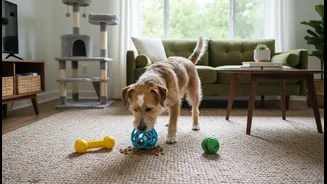
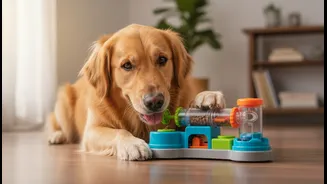
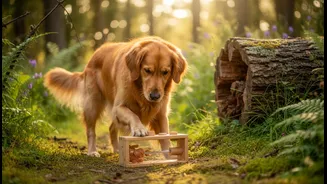
and physical well-being. Enrichment helps reduce stress, build confidence, and prevent the destructive behaviours that often arise from a lack of mental stimulation. Think of it less as 'playtime' and more as a 'brain workout' that satisfies their instincts. This can include anything that engages their senses—smell, sight, sound, taste, and touch—from a scent game to a puzzle feeder.
The Problem with a Shopping Mindset
Many pet owners have experienced the frustration of buying a new, expensive toy only to have their dog or cat ignore it after a few minutes. This happens for a few reasons. First, novelty wears off quickly. A toy that is always available becomes part of the furniture. Secondly, many dogs and cats simply don't know how to play with certain toys, especially if they weren't exposed to them when young. Simply providing an object without interaction or purpose often isn’t engaging. Enrichment isn't a product you can buy; it's an activity you facilitate. The most effective enrichment often involves you and strengthens your bond with your pet.
Why Routines Trump Randomness
Just like many humans, pets thrive on routine. Predictability helps them feel safe and secure, which significantly reduces stress and anxiety. When a pet knows what to expect—when they'll eat, walk, or play—they are generally calmer and more confident. Integrating enrichment into a daily schedule transforms it from a random, occasional event into a reliable part of their day. This consistency allows them to fully engage with the activity without the stress of unpredictability. A daily 15-minute enrichment session can be more beneficial than a two-hour unstructured free-for-all on a weekend. This routine also gives them a sense of purpose and can help manage energy levels, leading to fewer behavioural problems.
Building Your Pet’s Enrichment Routine
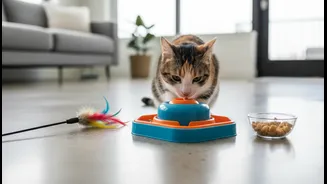
Starting an enrichment routine doesn't need to be complicated. The key is consistency. Begin by setting aside 15-20 minutes each day dedicated to an enrichment activity. Observe what your pet naturally enjoys. Does your dog love to sniff? Does your cat love to chase? Tailor activities to their individual preferences. A great way to start is by turning mealtime into a game. Instead of just putting food in a bowl, use a food-dispensing toy or a snuffle mat. This engages their foraging instincts and makes them work for their meal, providing both mental and physical stimulation. Schedule different types of activities throughout the week—cognitive, sensory, and physical—to keep things interesting. Rotating toys is also a simple but effective strategy; putting a toy away for a week can make it feel new and exciting when it reappears.
Simple, Low-Cost Enrichment Ideas
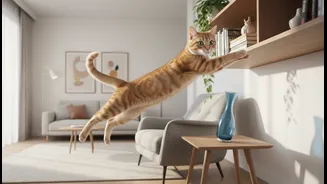
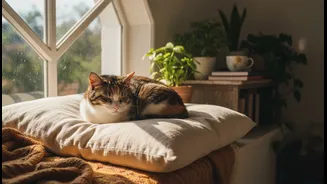
You don't need expensive gadgets for effective enrichment. Many of the best tools are already in your home. For dogs, try a 'sniffari' walk, where you let them lead the way and sniff to their heart's content. You can create a simple puzzle by hiding treats in a muffin tin and covering them with tennis balls. Or, make a treasure hunt by stuffing a cardboard box with crumpled paper and treats, allowing them to use their nose and satisfy their natural desire to shred. For cats, a simple paper bag or cardboard box can provide hours of exploration. Make a treat puzzle from an empty toilet paper roll by folding in the ends. Mimic a hunt by dragging a wand toy under blankets and around corners, engaging their prey drive. Even setting up a comfortable perch by a window with a view of a bird feeder can provide excellent visual enrichment.