


Many of us have them hanging in our wardrobes: beautiful frocks, tunics, and tops that we love for their comfort and fabric, but that lack any real shape. Before you banish these items to the back of the closet, consider their hidden potential.
The Transformative Power of a Belt
A belt
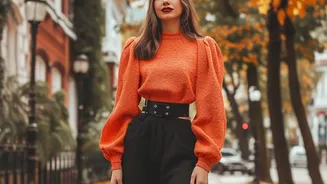
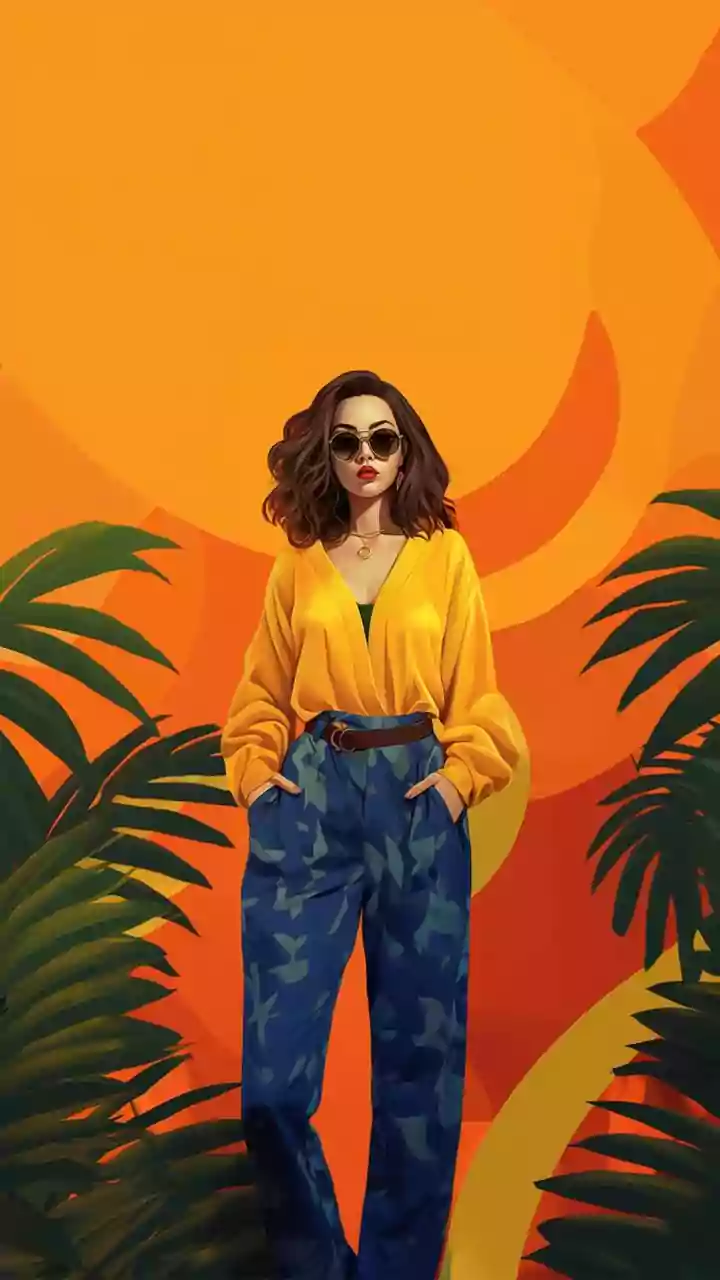
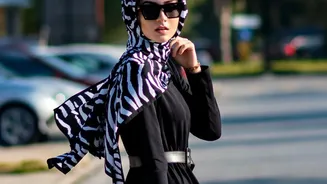
is one of the most hardworking accessories you can own. More than just a practical item to hold up trousers, it is a powerful styling tool. Adding a belt can instantly create a waistline, add structure to an oversized silhouette, and provide a polished finish to an otherwise shapeless outfit. Whether it's a billowy dress, a long tunic, or a boxy sweater, the simple act of cinching the waist introduces definition and balance, making your clothes look more intentional and flattering.
Choose the Right Belt Width
The width of your belt is crucial as it creates a horizontal line across your body. For petite frames or those with a shorter torso, a skinny belt (around 1 to 2.5 cm) is often best, as it defines the waist without overwhelming your proportions. Wider belts (5 cm or more) can make a bold statement and are excellent for creating an hourglass shape on taller individuals or those with a longer torso. However, a wide, contrasting belt on a short torso can sometimes visually 'cut' the body in half. Medium-width belts are the most versatile and work well for most body types and outfits, from sweater dresses to tunics.
Mastering Belt Placement
Where you place the belt can dramatically alter your silhouette. Cinching a belt at your natural waist—the narrowest part of your torso—is the most common and classic approach, as it highlights your curves. For a different look that can make your legs appear longer, try an empire waist by placing a belt just under the bustline. This works particularly well with flowing maxi dresses. Alternatively, a low-slung belt worn loosely around the hips can create a relaxed, bohemian vibe, perfect for straight-cut tunics or drop-waist dresses.
Styling with Different Garments
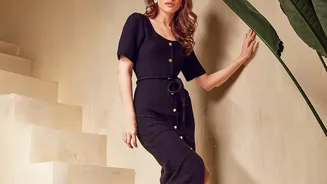
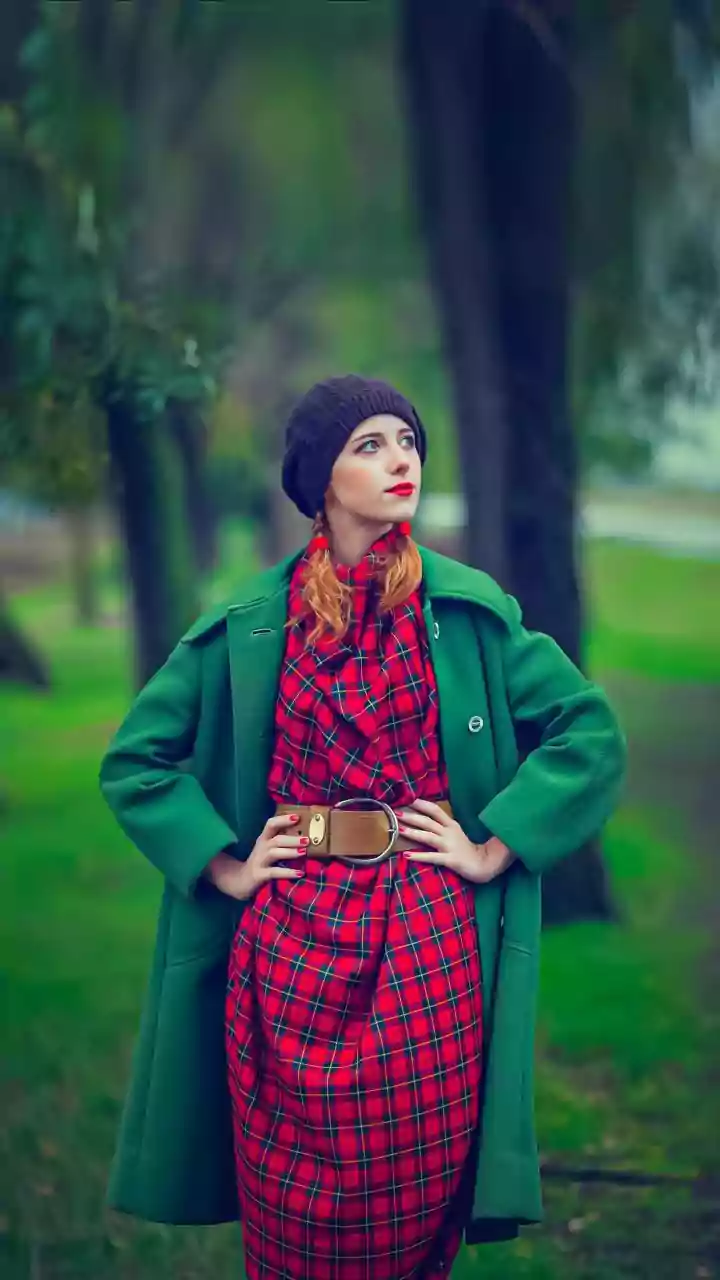
Different types of loose clothing call for different belting strategies. For long tunics and oversized shirts, a belt can prevent you from looking shapeless. Simply cinching it at the waist provides an instant silhouette. With sweater dresses, which can be bulky, a medium-width leather belt is often a great choice to define the waist without adding more volume. For flowing, shapeless frocks, a skinny or braided belt can add definition while maintaining the dress's relaxed feel. You can even belt over layers, like an open cardigan or blazer, to bring the whole look together.
Experiment with Materials and Knots
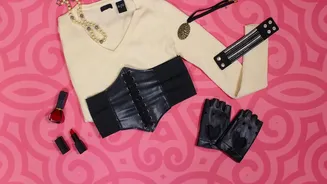
Don't be afraid to experiment beyond the classic leather belt. A woven or braided belt adds a casual, summery texture to cotton dresses. A chain belt can add a touch of glamour to a simple, plain-coloured frock. You can also play with different ways to tie your belt. Instead of just using the buckle, try tying a simple knot with a flexible leather belt for a casual look. For longer belts, a loop-and-tuck method where the end is neatly tucked away creates a clean, polished finish. An asymmetrical half-bow can also add a chic, modern touch to shirt dresses and trench coats.
Colour and Coordination
The colour of your belt can either create harmony or provide a pop of contrast. Matching your belt to your shoes or handbag is a classic way to create a cohesive, put-together look. A belt in the same colour as your dress (tone-on-tone) will subtly create shape without breaking up your vertical line, which can be a great trick for appearing taller. On the other hand, a contrasting belt—like a black belt on a white dress—draws the eye directly to the waist and makes a confident style statement.