


A Golden Haul Worth ₹72,000 Crore
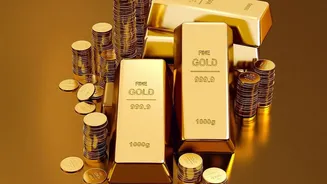
According to the India Bullion and Jewellers Association (IBJA), the 52 tonnes of gold purchased during the festive period were worth an estimated ₹72,000 crore. This represents a significant 30% increase in the volume of gold sold compared to the same
period last year. The buying frenzy wasn't limited to gold; silver sales also saw a 10% rise in volume, with 300 tonnes worth about ₹5,400 crore changing hands. This surge in precious metal purchasing offers a powerful glimpse into consumer sentiment, especially after a relatively subdued period for the gold market. For the first half of the fiscal year, gold sales by volume had fallen by nearly 50%, making this festive rebound a welcome sign for jewellers.
Price Correction Unlocks Pent-Up Demand
A key driver behind the shopping spree was a significant correction in gold prices. After hitting a peak of around ₹1.8 lakh per 10 grams in January 2026, prices fell by approximately 21% to between ₹1.42 lakh and ₹1.49 lakh by Dhanteras. This drop brought many buyers who had been waiting on the sidelines back into the showrooms. Although prices were still higher than the previous year's festive season, the substantial dip from the record high was enough to trigger purchases. Surendra Mehta, national secretary of IBJA, noted that the market was witnessing pent-up demand, as many consumers had previously postponed buying gold due to the high costs. The timing of the festival, coinciding with the arrival of salaries and festive bonuses, also provided a healthy cash flow that encouraged enthusiastic shopping.
The Enduring Allure of Dhanteras
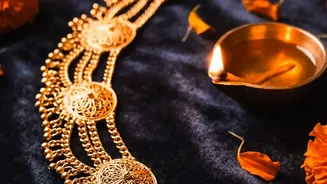
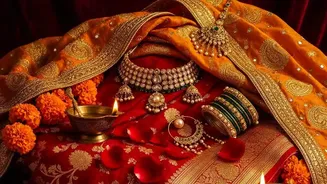
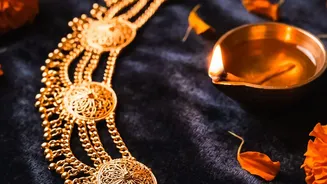
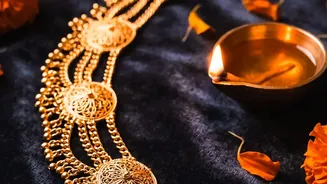
The tradition of buying gold on Dhanteras, the first day of the five-day Diwali festival, remains a powerful cultural force. The festival is dedicated to wealth and prosperity, with families worshipping Goddess Lakshmi, the deity of wealth. Purchasing gold on this day is believed to invite her blessings and ensure good fortune for the year ahead. This tradition is not merely a symbolic gesture; for millions of Indian households, gold is a primary mode of savings, a form of security, and a cherished asset to be passed down through generations. The festival therefore represents a unique intersection of faith, culture, and financial planning that drives one of the most significant annual gold-buying events in the world.
Smarter Shopping and Changing Trends
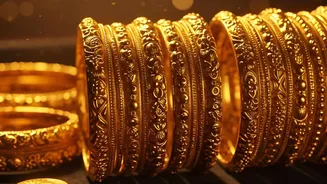
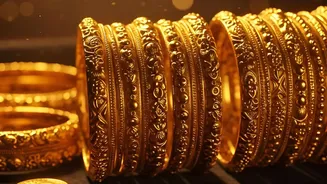
While the overall volume of gold sales increased, retailers observed a shift in consumer behaviour. Shoppers were more discerning, often opting for lighter pieces to manage costs amid still-elevated prices. For instance, customers who might have previously bought 30-40 gram necklace sets were now choosing designs weighing 12-13 grams. There was strong demand for lightweight daily-wear items, 18-carat and 14-carat jewellery, and small gold coins of 1-5 grams, which served as popular token purchases for the festival. The exchange of old gold for new jewellery was also a popular option, helping to reduce the out-of-pocket expense for many families. This pattern shows that consumers are adapting to the price environment rather than abandoning the tradition.
A Barometer for the Broader Economy
The robust festive sales are being interpreted as a positive signal for the Indian economy. Strong consumer spending on a high-value item like gold suggests a recovery in discretionary spending and improved sentiment. Jewellers reported that the rush was not just for the festival but also included advance bookings for the upcoming wedding season, which typically runs from November to March. This indicates confidence in future finances. While overall gold imports for the fiscal year have been lower than the previous year, this festive surge provides a much-needed boost to the gems and jewellery sector and suggests that underlying demand remains resilient, ready to respond to favourable market conditions.