



More Joy, Less Stress
The desire for green interiors often comes with a hidden fear: what if I kill the plant? This 'plant-parent anxiety' is real, but it’s also avoidable. Starting with a plant that is famously hard to kill shifts the focus from survival to enjoyment. It
allows you to learn the rhythms of plant care without the constant worry of failure. Studies have shown that interacting with indoor plants can lower stress, improve your mood, and even boost focus. When your first foray into gardening is a success, it builds a positive feedback loop. You get all the psychological benefits of nurturing a living thing—a sense of purpose and a connection to nature—without the discouraging setbacks.
The Snake Plant: The Unkillable Champion
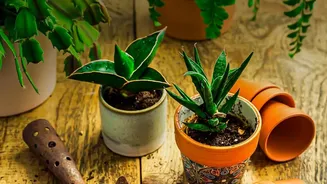
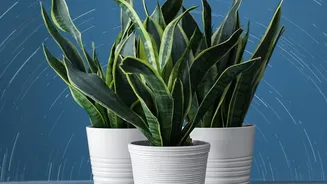
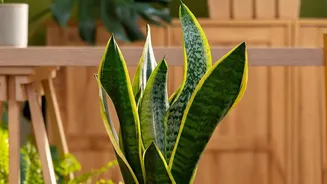
If you could only choose one beginner plant, the Snake Plant (Dracaena trifasciata, formerly Sansevieria) would be it. This plant is the definition of resilient. Its thick, sword-like leaves store water, meaning it can tolerate weeks of neglect and infrequent watering. In fact, the biggest danger to a snake plant is overwatering. It is adaptable to almost any light condition, from a bright spot to a dim corner, making it versatile for any room. As a bonus, it's a fantastic air purifier that releases oxygen at night, making it an excellent choice for bedrooms.
The ZZ Plant: The Ultimate Plant for the Forgetful
The ZZ Plant (Zamioculcas zamiifolia) is another top contender for the most forgiving houseplant. Its beautiful, glossy leaves add a touch of modern elegance to any space, and it positively thrives on neglect. The secret to its hardiness lies in its large, potato-like rhizomes under the soil, which store water for long periods. This makes it extremely drought-tolerant. Like the snake plant, the ZZ Plant prefers its soil to dry out completely between waterings and is happy in low-light environments, making it perfect for busy people or those with less-than-ideal window exposure.
The Money Plant: The Fast-Growing Favourite
A staple in many Indian households, the Money Plant (Epipremnum aureum), also known as Pothos, is beloved for good reason. It’s an incredibly adaptable and fast-growing vine that provides a quick sense of accomplishment. You can watch its trailing stems lengthen satisfyingly, providing a visible reward for your care. It's not fussy about light and will signal when it needs water with a slight wilt, from which it recovers quickly. Money plants are also exceptionally easy to propagate; simply snip off a cutting with a node and place it in water. Soon you'll have a new plant, ready to pot or share.
The Spider Plant: The Gift That Keeps on Giving
The Spider Plant (Chlorophytum comosum) is a cheerful and resilient plant known for its arching leaves and forgiving nature. It prefers bright, indirect light but can tolerate lower light levels. What makes the spider plant especially rewarding for beginners is its production of 'spiderettes' or 'pups'. These are small baby plants that dangle from the mother plant, which can be easily snipped off and potted to create new plants. This self-propagating feature makes it a fun and engaging plant that literally allows you to grow your collection for free, building confidence with every new pot.
The Cast Iron Plant: As Tough As Its Name
For those with truly challenging indoor environments, like a dark hallway or a room with very little natural light, the Cast Iron Plant (Aspidistra elatior) is a saviour. As its name suggests, it is incredibly tough and can withstand conditions that would spell doom for most other plants, including low light, infrequent watering, and fluctuating temperatures. Its large, deep-green leaves provide a lush, tropical feel without demanding much in return. If you believe you can't keep anything green alive, the Cast Iron Plant is here to prove you wrong.