


What is This ‘Volcanic Popcorn’?
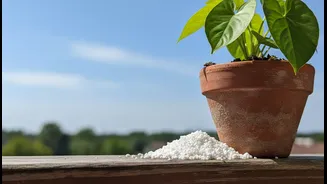
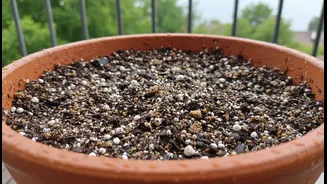
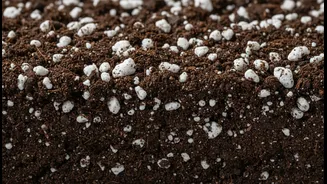
If you’ve ever looked closely at a bag of commercial potting mix, you've seen perlite. They are those small, lightweight white balls that resemble tiny pieces of Styrofoam. But they aren't plastic; perlite is a naturally occurring volcanic glass. To create
the horticultural product we use, this glass is mined and heated to around 1000°C. Much like popcorn, the water trapped inside the rock turns to steam and causes the material to expand dramatically, up to 20 times its original size. This process results in a sterile, pH-neutral, and incredibly lightweight material full of tiny air cavities. It’s physically stable, meaning it won’t decompose or break down in your soil, providing long-lasting benefits.
Decoding 'Impermeable Oxygen Pockets'
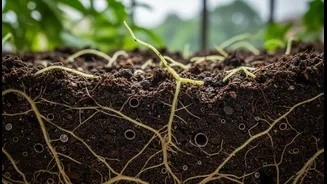
The headline's phrase might sound complex, but the science is simple and crucial for plant health. Plant roots don't just need water; they need oxygen to breathe and function properly. During heavy monsoon rains, the fine particles in potted soil become compacted, squeezing out air and creating a dense, waterlogged environment. This is where perlite works its magic. The individual perlite granules are essentially waterproof and don't absorb much water themselves. Instead, their irregular shape physically separates soil particles, creating a network of interconnected channels and air pockets. These pockets allow excess water to drain away freely while holding onto precious oxygen for the roots. So, while the perlite itself is non-porous, its presence guarantees a porous structure in the surrounding soil, preventing the deadly root rot that claims so many potted plants.
Why Monsoonal Soil is a Special Challenge
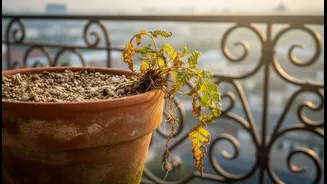
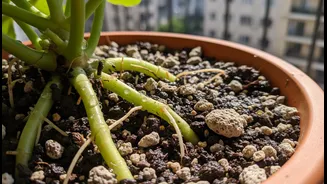
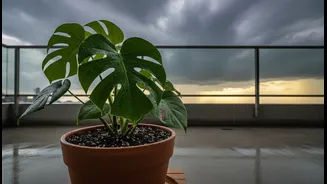
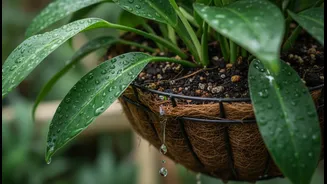
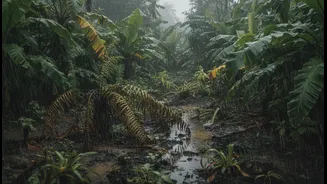
Container gardening during the monsoon in India presents a unique problem. Unlike garden beds where excess water can seep deep into the earth, pots have limited drainage. Day after day of relentless rain saturates the potting mix, leading to a state of constant wetness. This anaerobic (oxygen-free) condition is the perfect breeding ground for fungal diseases and root rot, which can quickly kill a plant. The soil becomes heavy and compacted, making it difficult for roots to grow and access nutrients. Using a standard potting mix without amendments is often a recipe for disaster. Adding perlite is a proactive step to fundamentally change the physical structure of your soil, making it resilient to the pressures of a long and wet monsoon season. It helps keep the soil loose and friable, even when saturated.
A Practical Guide to Using Perlite
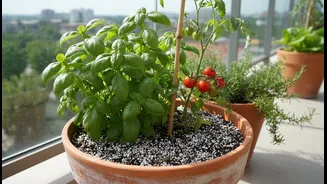
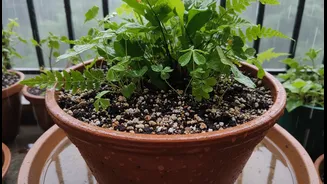
Incorporating perlite into your gardening routine is straightforward. For most houseplants, vegetables, and flowers in pots, a good starting ratio is one part perlite to three or four parts of your potting medium (which could be soil, cocopeat, or compost). For plants that are especially sensitive to moisture, like succulents and cacti, you can increase the ratio to one part perlite for every one part of soil mix. When you're preparing your mix, it’s a good idea to moisten the perlite slightly beforehand to reduce dust. Simply blend it evenly throughout your potting soil before planting. If you have an existing plant in compacted soil, you can gently loosen the top layer and mix in a couple of handfuls of perlite to improve surface drainage and aeration. This small addition makes a significant difference in preventing water from stagnating on the surface.
Perlite vs. Other Common Additives
While perlite is an excellent choice for improving drainage, it's helpful to know how it compares to other soil amendments. Vermiculite, another heated mineral, looks somewhat similar but serves a different function. Vermiculite acts like a sponge, absorbing and retaining water and nutrients, which is ideal for plants that need consistent moisture. Perlite, by contrast, is primarily for aeration and drainage, as it holds very little water. Sand is another option for improving drainage, but it is much heavier and can sometimes lead to further compaction if the wrong type is used. Pumice, another volcanic rock, is a very close substitute for perlite, offering similar aeration benefits but being slightly heavier, which can help prevent it from floating to the top of the pot. For the specific goal of combating monsoonal waterlogging, perlite's superior ability to create air space and promote drainage makes it a champion.