
Beyond the Awning
For years, a restaurant's solution to rain was simple: a retractable awning or a few large umbrellas. It was a reactive, minimal approach focused on providing basic shelter. The goal was to keep diners dry, but little thought was given to the holistic
experience. The new 'safety era' of rainy dining treats weather not as an inconvenience, but as a variable to be managed with sophisticated design and operational planning. This shift moves beyond mere cover to address the entire guest environment. It’s about ensuring that a rainy day doesn't diminish the quality of the meal or the comfort of the patrons. Restaurants are investing in solutions that make their outdoor and semi-outdoor spaces functional and inviting year-round, turning unpredictable weather into a reliable part of their business model.
The New Safety Playbook
So, what does this new era look like in practice? It's a multi-layered strategy. Physically, it starts from the ground up with non-slip flooring and improved drainage to prevent slips and falls, a major liability and comfort issue. Instead of temporary umbrellas, establishments are installing permanent or semi-permanent structures like retractable glass roofs and wind-rated commercial patio enclosures that can be deployed in seconds. Lighting is another key factor, with well-placed, weather-proof lights ensuring visibility and maintaining ambiance. Operationally, staff are being trained in new protocols for managing wet conditions, from more frequent floor checks to assisting guests safely from their cars to their tables. The focus is on creating a seamless experience where the guest feels secure and cared for, not just shielded from the rain.
A Post-Pandemic Expectation
This trend isn't happening in a vacuum. It’s a direct evolution of changing customer expectations shaped by the pandemic. After years of focusing on hygiene, ventilation, and social distancing, diners have become acutely aware of their physical environment. Customers now expect establishments to take proactive responsibility for their health and safety in a much broader sense. A restaurant that visibly invests in managing environmental factors—whether it's airborne pathogens or a sudden monsoon shower—sends a powerful message of care and professionalism. This heightened awareness means that providing a safe, comfortable space is no longer just good service; it's a fundamental part of a restaurant's brand and a key differentiator in a competitive market.
Designing for Downpours
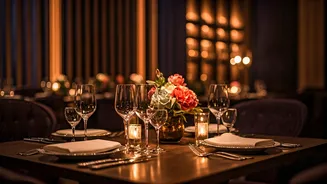
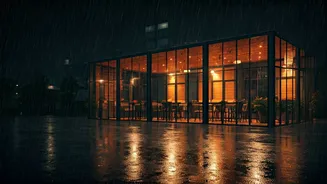
Architects and designers are now integrating all-weather functionality from the initial concept phase. The line between indoor and outdoor dining is blurring with 'transitional spaces' that feature sliding glass walls and retractable roofs. These designs allow restaurants to maximize their seating capacity regardless of the forecast. Materials are also evolving, with a focus on durable, weatherproof options like powder-coated aluminum, synthetic teak, and commercial-grade, quick-dry fabrics that can withstand the elements. Heating elements, from radiant heaters to even heated flooring in some high-end venues, complete the picture, ensuring that a drop in temperature doesn't accompany the rain. This isn't just about defence; it's about offence—creating a cozy, 'cooconing' atmosphere that can make dining during a storm a unique and desirable experience in itself.