





The Comeback of a Farmhouse Staple
Long considered a rustic staple for farmers in states like Karnataka, Andhra Pradesh, and Telangana, ambali is now finding its way onto trendy urban cafe menus and social media feeds. For generations, it was valued as 'farmer's fuel' — a nourishing, hydrating
drink that provided sustained energy for a long day of labour under the sun. Today, its resurgence is driven by a new generation that is actively looking past processed foods and reconnecting with traditional, local, and sustainable options that offer genuine health benefits.
What Exactly Is Ambali?
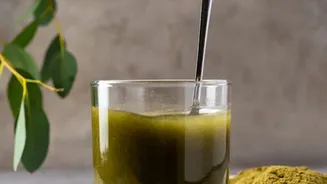
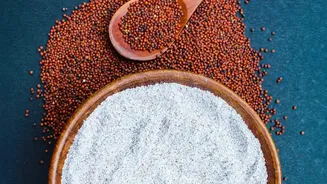
At its heart, ambali is a simple, fermented porridge or drink. It is most commonly made from ragi (finger millet) flour, though other millets can also be used. The process involves cooking the millet flour with water to form a paste or gruel. This mixture is then left to ferment naturally, typically overnight or for 8-10 hours. This fermentation process is what gives ambali its characteristic mild, tangy flavour and, more importantly, unlocks its potent health properties. The final beverage can be enjoyed either savoury, by mixing it with buttermilk, salt, and spices, or sweet, with a touch of jaggery.
A Natural Probiotic Powerhouse
The secret to ambali's renewed popularity lies in one word: fermentation. This ancient technique transforms the humble millet drink into a rich source of natural probiotics, the beneficial bacteria crucial for a healthy gut microbiome. Similar to yoghurt or other fermented foods, ambali contains live cultures like Lactobacillus, which help improve digestion, reduce bloating, and support overall gut health. Furthermore, the fermentation process breaks down 'anti-nutrients' like phytic acid found in the grain. This significantly increases the bioavailability of essential minerals in ragi, particularly calcium and iron, making them easier for the body to absorb.
More Than Just a Health Drink
The benefits of ambali extend beyond its probiotic content. Its primary ingredient, ragi, is a nutritional powerhouse in its own right. It is one of the best plant-based sources of calcium, crucial for bone health, and is also packed with dietary fibre, which promotes satiety and can aid in weight management. Ragi is naturally gluten-free and has a low glycemic index, making ambali a suitable option for individuals with gluten intolerance or those managing blood sugar levels. In Ayurveda and traditional practices, it is also known for its natural cooling properties, making it an ideal beverage for hot Indian summers.
The Gen Z Stamp of Approval
So why is this ancient beverage resonating so strongly with Indian youth in 2026? The trend is a perfect storm of several cultural shifts. There is a growing obsession with gut health and a deeper understanding of its connection to overall wellness. Young consumers are increasingly skeptical of industrially produced supplements and are instead drawn to 'clean label' and natural food solutions. Embracing a drink like ambali is also a form of cultural reclamation—a way to connect with their roots and celebrate the wisdom of their ancestors in a way that feels authentic and relevant to modern life. It represents a move towards sustainable, locally-sourced ingredients and a rejection of the one-size-fits-all global wellness trends.