




Nature's Own Data Logs
To predict the future, scientists often need to look deep into the past. In Kerala, the unique ecosystems of the Western Ghats and the coastal wetlands serve as invaluable natural archives. Every layer of sediment at the bottom of a lake and every ring
within a tree trunk holds clues about historical rainfall, temperature, and major weather events. For scientists, these are not just mud and wood; they are data logs stretching back centuries. By analysing the chemical and physical properties of these natural records, researchers can reconstruct past climate patterns with remarkable accuracy. This historical baseline is crucial. It allows scientists to distinguish between natural climate variability and the accelerated changes being driven by human activity today. Understanding how these ecosystems responded to past climate shifts helps create more reliable models for what lies ahead.
The Wetland Warning System
Kerala's vast network of wetlands, particularly the Vembanad-Kol system, acts as a frontline sensor for climate change. These complex ecosystems of backwaters, marshes, and mangroves are highly sensitive to subtle shifts in the environment. Scientists are closely monitoring changes in water salinity, sediment deposition, and the health of aquatic life. For instance, rising sea levels, a direct consequence of global warming, cause saltwater to intrude further inland, impacting agriculture and freshwater sources. Studies project that a sea-level rise of just half a metre could inundate three-fourths of the Kole wetlands, threatening livelihoods and biodiversity. By tracking these changes, researchers can validate and refine predictions for sea-level rise and the increasing intensity of storm surges along India's densely populated coastlines.
Secrets of the Western Ghats
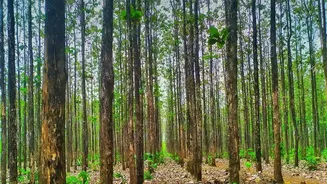
The forests of the Western Ghats, a global biodiversity hotspot, are another critical area of study. Researchers are observing how rising temperatures and changing rainfall patterns are affecting these delicate ecosystems. One recent study in the Nilgiri Biosphere Reserve noted that seasons were becoming 'erratic and unpredictable'. This can disrupt the finely tuned life cycles of plants, pollinators, and other wildlife. For example, a shift in when flowers bloom can create a mismatch with the arrival of birds and insects that depend on them for food. Scientists are also observing changes in forest composition, with some studies suggesting that moisture-rich evergreen forests could shrink while drier forest types expand. This not only affects biodiversity and carbon storage but also alters the region's ability to manage water, as different forest types have different hydrological functions.
From Local Data to National Predictions
The data gathered from Kerala's wetlands and forests is not just of local importance. This granular, real-world information is fed into sophisticated computer models that predict long-term climate threats on a national scale. These models, which simulate the Earth's complex climate system, are the primary tools governments use to understand future risks. By incorporating detailed data from sensitive 'hotspot' regions like the Western Ghats, scientists can significantly improve the accuracy of these models. This leads to more reliable forecasts for monsoon behaviour, the frequency of extreme rainfall events, and the likelihood of droughts and landslides across the country. This enhanced predictive capability is vital for national planning in sectors from agriculture and water management to infrastructure and public health.
Informing a More Resilient Future
Ultimately, the goal of this research is to build a more climate-resilient society. The insights gained from studying Kerala's ecosystems directly inform policy and action. The Kerala State Action Plan on Climate Change (SAPCC), for example, uses this scientific understanding to identify vulnerable districts and prioritise mitigation and adaptation strategies. These strategies range from promoting renewable energy and protecting coastal communities to developing early warning systems for floods and landslides. By understanding the specific threats highlighted by changes in its forests and wetlands, Kerala can better prepare for a future where extreme weather events are expected to become more common and intense, providing a blueprint for other vulnerable regions in India and beyond.