
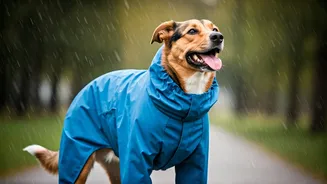
Why Rainy Season Is Risky for Paws
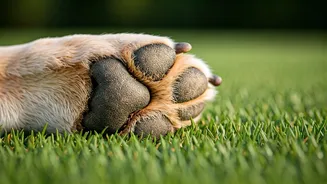
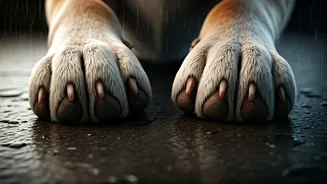
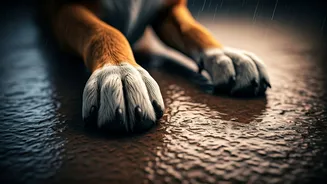
The constant dampness and high humidity of the Indian monsoon create a perfect storm for paw problems. Moisture gets trapped between your dog's toes and in their paw pads, creating a warm, damp environment where bacteria and fungi, like yeast, can thrive.
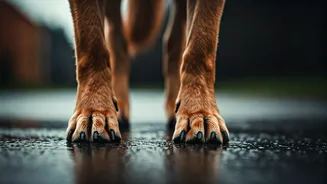
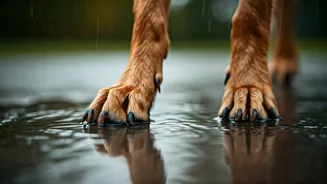
Puddles and waterlogged streets can also hide irritants, sharp objects, and harmful bacteria. This combination of factors makes dogs more susceptible to pododermatitis, which is the medical term for inflammation of the skin on the paws. This condition can quickly escalate from minor irritation to a painful infection if not managed properly.
Spotting the First Signs of Trouble
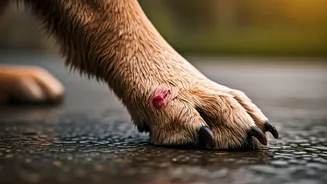
Early detection is key to preventing a minor issue from becoming a serious one. Your dog can't tell you what's wrong, so you need to watch their behaviour and check their paws regularly. Be on the lookout for tell-tale signs, including persistent licking or chewing of the paws, which is often the first symptom you'll notice. Other signs include redness and swelling, especially between the toes, a bad or musty odour coming from the paws, and visible discharge or pus. You might also see your dog limping or showing sensitivity when you touch their paw. In some cases of yeast overgrowth, you may notice a reddish-brown staining of the fur around the pads.
Prevention Is the Best Paw-sition
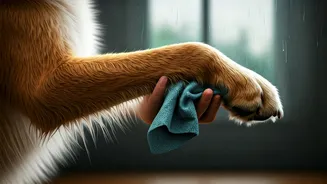
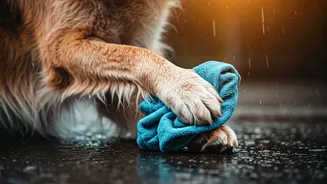
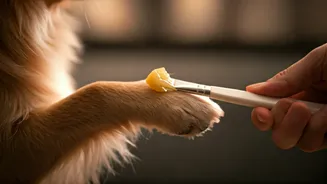
The most effective way to handle paw infections is to prevent them from happening in the first place. The single most important step is to clean and dry your dog's paws after every single walk, even on days when it's not actively raining. Use a clean towel and pay special attention to drying the areas between the toes where moisture loves to hide. For long-haired breeds, keeping the fur around the paws trimmed short can improve airflow and make drying easier. If your dog will tolerate them, waterproof booties can offer excellent protection. Otherwise, applying a paw balm before walks can create a protective barrier against wetness and irritants.
At-Home Care for Minor Irritation
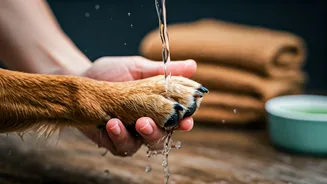
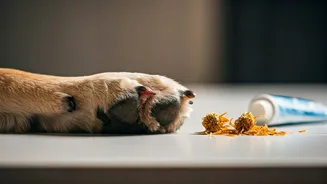
If you notice mild redness or your dog has just started licking their paws, some gentle at-home care can help. Start by cleaning the paw thoroughly with a mild, pet-friendly antiseptic wash or a simple saltwater solution (about half a teaspoon of salt in a cup of cooled, boiled water). Gently pat the paw completely dry afterwards; rubbing can cause more irritation. An Epsom salt soak for 5-10 minutes can also help soothe the skin and reduce inflammation. Do not use human creams or lotions, as they can be harmful if licked. Also, avoid bandaging the paw yourself, as a poorly applied bandage can trap moisture and make the problem worse.
When You Must See a Veterinarian
While minor irritations can often be managed at home, some signs indicate a more serious infection that requires professional medical attention. You should contact your vet immediately if the symptoms don't improve after 48 hours of home care, or if they get worse. Other red flags include significant swelling, a foul odour, pus or bloody discharge, or if your dog is in obvious pain, limping, or refusing to put weight on their paw. Recurring infections are also a sign that there might be an underlying issue, such as an allergy, that needs to be diagnosed and managed by a professional. Your vet can prescribe appropriate treatments like medicated shampoos, topical creams, or oral antibiotics and antifungals to clear the infection and provide pain relief.