



The Unexpected End of the Road
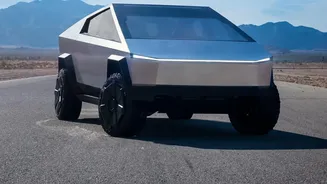
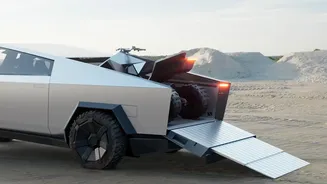
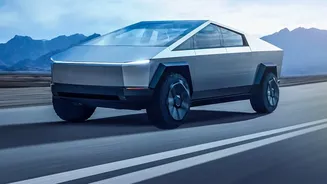
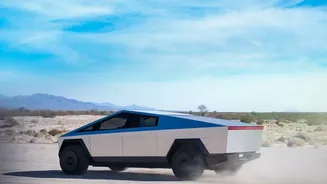
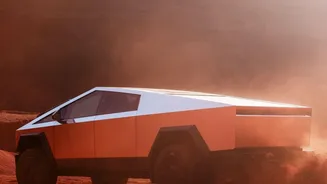
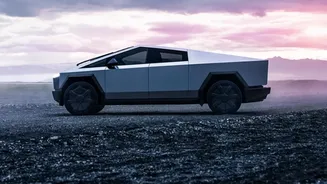
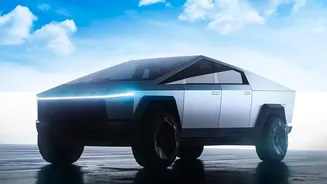
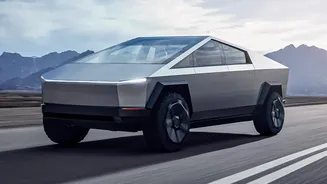
The context for the new timeline is a dramatic strategic pivot announced by CEO Elon Musk earlier in November. On November 6, Musk revealed that Tesla would be winding down production of the Cybertruck at its Texas Gigafactory by the middle of 2027. The reason
given for this surprising move was to free up factory space for the company's next big project: the Cybercab, a purpose-built autonomous robotaxi. The announcement marked a definitive end for a vehicle that was once hyped to revolutionize the lucrative American pickup truck market but has struggled to meet expectations since its 2023 launch. The news sent a clear signal that Tesla's future priorities are shifting away from the angular electric pickup and towards autonomous vehicles and robotics.
A 'Sentimental' Extension
The decision to end production left many customers with outstanding pre-orders in limbo. In the face of backlash from prospective buyers, Musk provided another update on November 11. He announced that Tesla would extend Cybertruck production through the end of summer 2027. This extension of a few months is specifically to work through more of the vehicle's significant order backlog. Musk acknowledged the decision wasn't financially optimal, posting on his social media platform X that it was a sentimental move. He also conceded that even with the extension, the company would still have to return deposits for many people, as the order rate far outstripped what Tesla could produce before shutting down the line.
From Grand Ambition to Grim Reality
The Cybertruck's journey has been a case study in the gap between ambition and reality. At its launch, Musk projected that Tesla would eventually produce 250,000 Cybertrucks annually. However, the actual sales figures have fallen drastically short of that goal. Reports from 2026 show sales slumping, with production running at just a fraction of the installed capacity. In the third quarter of 2026, the 'Other Models' category, which includes the Cybertruck, recorded just 8,300 deliveries. The vehicle's unique stainless-steel exoskeleton and unconventional design, while visually striking, created immense manufacturing challenges, with Musk himself admitting, 'We dug our own grave with Cybertruck'. The production struggles were compounded by a series of quality issues and recalls for problems ranging from faulty accelerator pedals to detaching trim pieces.
A Strategic Pivot to a Robotic Future
The winding down of Cybertruck production is not just about the failure of a single model; it's about Tesla's broader strategic evolution. The company is reallocating its most valuable resources—factory space and engineering focus—towards projects it believes have a higher potential upside. The Cybercab, a two seat autonomous vehicle with no steering wheel or pedals, is now the priority at the Texas Gigafactory. This, along with the development of the Optimus humanoid robot, suggests Musk is betting Tesla's future growth on artificial intelligence and autonomy rather than competing headtohead in traditional automotive segments. For Tesla, the future appears to be less about building unconventional trucks and more about creating a fleet of autonomous machines.