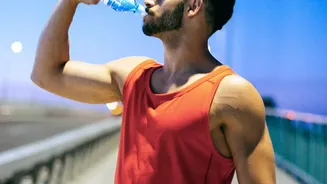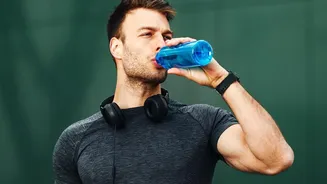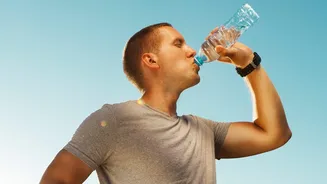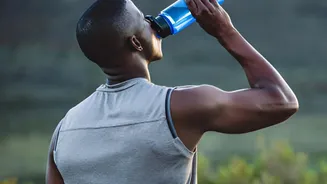








Mistake 1: Drinking Only Plain Water
While water is essential, it's not the only thing your body loses through sweat. Intense exercise depletes crucial minerals called electrolytes, such as sodium, potassium, and magnesium. These are vital for muscle function, nerve signaling, and maintaining
proper fluid balance. Relying solely on plain water after heavy sweating can dilute the electrolytes remaining in your body. In extreme cases, this can lead to a dangerous condition called hyponatremia (low sodium levels), with symptoms like muscle cramps, dizziness, and fatigue. For effective rehydration after a tough session, you need to replace both water and electrolytes.
Mistake 2: Choosing the Wrong Sports Drink
Not all sports drinks are created equal. Many popular options are loaded with sugar, which can lead to an energy crash and may not be necessary after every workout. While the carbohydrates in some sports drinks can help replenish glycogen stores used during exercise, they are most beneficial for workouts lasting over an hour. For shorter, high-intensity sessions, a sugary drink can introduce excess calories. Instead, look for low-sugar or sugar-free electrolyte beverages or tablets that provide the necessary minerals without the unwanted sugar rush.
Mistake 3: Reaching for a Post-Workout Beer
The idea of a rewarding cold beer after a hard workout is tempting, but it's one of the worst things for your recovery. Alcohol is a diuretic, meaning it makes you urinate more and can actually delay rehydration. It interferes with muscle repair by suppressing the processes that rebuild and strengthen muscle fibres after exercise. Furthermore, alcohol can hinder the replenishment of glycogen, your muscles' primary fuel source, which is critical for your next workout's performance. The minimal carbohydrates in beer do not provide the recovery benefits needed and can't outweigh the negative effects.
Mistake 4: Guzzling Fluids Too Quickly
After an intense workout, your first instinct might be to chug a large bottle of water as fast as possible. However, your body can only absorb so much fluid at once. Drinking too much, too quickly can lead to a bloated stomach, discomfort, and might even affect your blood pressure. A more effective strategy is to sip fluids gradually. Aim to drink steadily over the first couple of hours post-exercise to allow your body to properly absorb the fluids and electrolytes, ensuring they get to where they're needed most.
Mistake 5: Waiting Until You're Parched
Thirst is not a proactive indicator of your body's needs; it's a lagging one. By the time you feel thirsty, you are likely already dehydrated. Dehydration can impair both physical and mental performance, causing fatigue, mood changes, and slower reaction times. Instead of waiting for thirst to strike, get into the habit of drinking fluids consistently after your workout is finished. A good way to gauge your fluid needs is to check your urine colour; pale and clear indicates good hydration, while darker urine means you need to drink more.
Mistake 6: Forgetting That Food Is Hydrating Too
Rehydration isn't just about what you drink; it's also about what you eat. Many foods have high water content and contain the electrolytes you need for recovery. Combining your fluid intake with a balanced post-workout meal or snack can significantly enhance rehydration. Foods like bananas, spinach, and avocados are excellent sources of potassium, while a handful of salted nuts or some crackers can help replenish lost sodium. Consuming a mix of carbohydrates and protein within an hour after exercise also helps with muscle repair and glycogen replenishment.