



A Nutritional Powerhouse Rediscovered
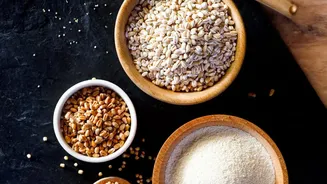
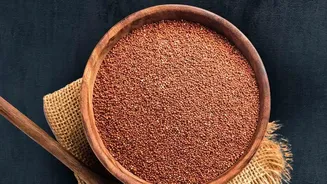
For years, millets like jowar, bajra, and ragi were often seen as 'poor man's food', overshadowed by the post-Green Revolution dominance of wheat and rice. Today, they are being celebrated as superfoods. Modern health-conscious consumers are drawn to
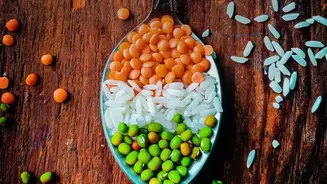
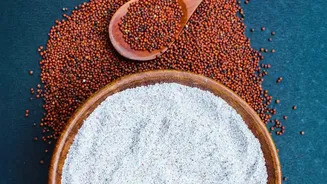
their impressive nutritional profile. Millets are naturally gluten-free, making them ideal for those with celiac disease or gluten sensitivity. They are packed with protein, fibre, and essential minerals like iron, calcium, and magnesium, often in higher concentrations than their polished counterparts. For instance, ragi is one of the richest plant-based sources of calcium. Their high fibre content aids digestion, promotes a feeling of fullness to help with weight management, and their low glycaemic index helps in managing blood sugar levels, making them particularly beneficial for diabetics.
The Climate-Smart Choice
The resurgence of millets is not just about personal health; it's also about planetary health. In an era of increasing climate change concerns, millets are being championed as 'climate-smart' crops. They are incredibly hardy, capable of growing in arid regions and poor soil conditions where other crops might fail. Crucially, they require significantly less water than thirsty crops like rice and wheat. Some millets can thrive on as little as 300-400 mm of water compared to the 1400-1500 mm needed for rice cultivation. This resilience makes them a vital and sustainable choice for ensuring food security in a water-scarce future, reducing the environmental footprint of our diets.
A Major Push from Policy
A significant catalyst for the millet movement was a concerted push from the government. India spearheaded a proposal at the United Nations to declare 2023 as the International Year of Millets, a move that was supported by 72 other countries. This initiative created a massive wave of awareness both domestically and globally. The Indian government has since launched numerous schemes to promote millet cultivation, offering subsidies for seeds and machinery, and integrating them into public nutrition programs like mid-day meals to combat malnutrition. This top-down approach has helped boost production, improve availability, and firmly place millets back in the national conversation.
A Culinary Renaissance
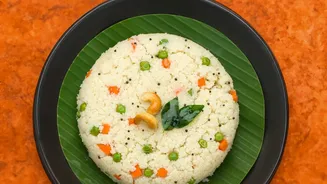
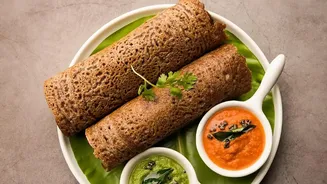
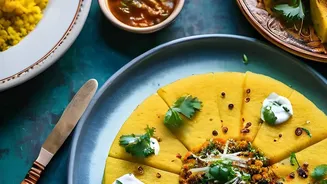
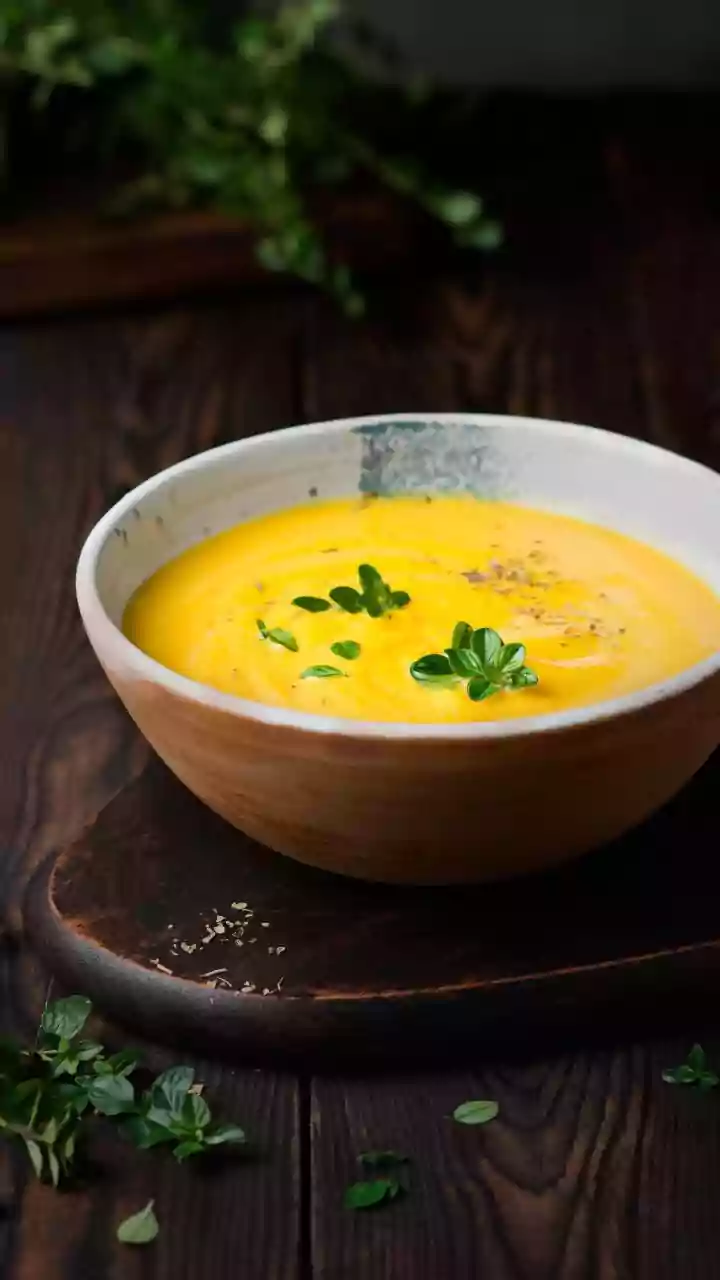
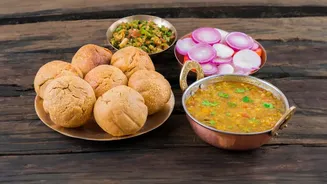
Perhaps the most visible sign of the millet revival is happening in our kitchens. Chefs and food innovators are leading a culinary renaissance, transforming the perception of millets from coarse grains to versatile, gourmet ingredients. From ragi dosas and bajra khichdi to millet-based pastas, risottos, and even desserts, the creative possibilities are exploding. Celebrity chefs like Sanjeev Kapoor and Anahita Dhondy have been instrumental in showcasing how to use these grains in modern, appealing ways. This has been amplified by social media and a new generation of food brands offering ready-to-cook and ready-to-eat millet products, making them more convenient for busy urban lifestyles. The goal is no longer to simply substitute wheat or rice, but to appreciate millets for their unique textures and nutty, earthy flavours.