



In the Bathroom: Where Small Changes Yield Big Savings
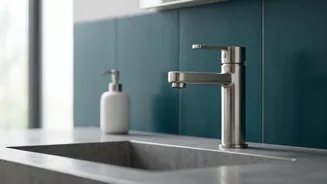
The bathroom is often the site of the highest water consumption in a home, making it the perfect place to start. A few mindful habits can lead to significant savings. Instead of long showers, consider switching to bucket baths, which give you precise
control over the amount of water used. If you prefer showers, aim to keep them under five minutes. A simple but powerful habit is to turn off the tap while brushing your teeth or shaving. A running tap can waste over six litres of water per minute. Another major culprit is a leaky toilet. A silent leak from a toilet cistern can waste hundreds of litres a month. A simple way to check is to add a few drops of food colouring to the tank; if the colour appears in the bowl without flushing, you have a leak that needs fixing. You can also place a sand-filled one-litre bottle inside the flush tank to reduce the water used with every flush without affecting its efficiency.
In the Kitchen: Mindful Cooking and Cleaning
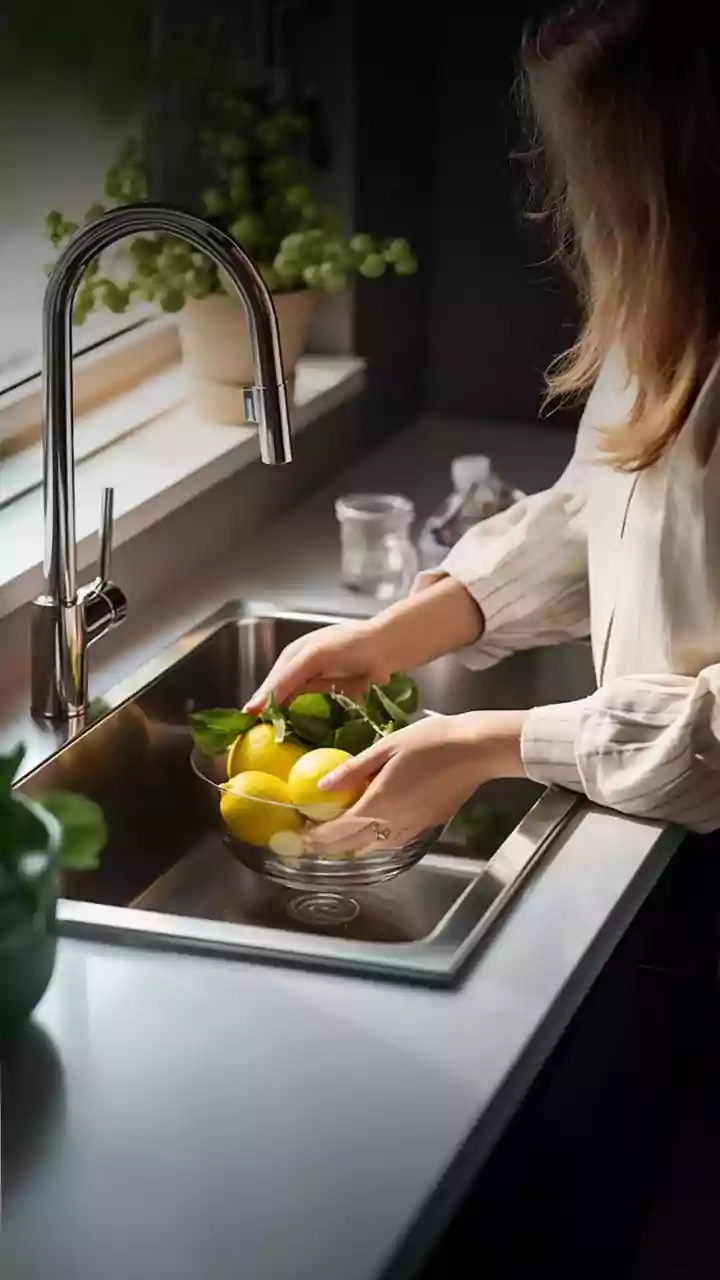
The kitchen is another area where a lot of water is used daily. Adopting a 'two-bowl' method for washing dishes can drastically cut down on water usage compared to washing under a running tap. Fill one bowl with soapy water for washing and another with clean water for rinsing. Also, try to run your dishwasher only when it's completely full to maximize efficiency. When washing fruits and vegetables, collect the rinse water in a container. This water is perfectly fine for watering your houseplants. Similarly, instead of letting the tap run to thaw frozen food, plan ahead and let it thaw in the refrigerator or soak it in a pot of water. The water used for boiling vegetables or pasta can also be cooled and reused to water plants, as it contains valuable nutrients.
The Unseen Wastage: Taming Your RO Purifier
Reverse Osmosis (RO) water purifiers are common in urban Indian homes, but they are notoriously inefficient. A standard RO system can waste up to three litres of water for every one litre it purifies. This 'reject water' goes straight down the drain, but it doesn't have to. This water, while high in total dissolved solids (TDS) and not fit for drinking, is a valuable resource for many household chores. Collect this water in a bucket or a small tank. It can be used for mopping floors, cleaning bathrooms, and washing balconies or vehicles. It is also excellent for flushing toilets, which accounts for a large portion of daily water use. Some people even use it for their laundry's pre-soak cycle or for watering certain garden plants, though it's wise to test it on a small batch of plants first.
Laundry and General Cleaning: Work Smarter, Not Harder
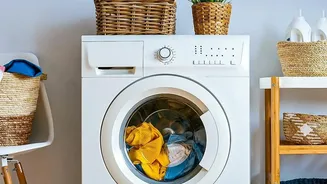
When it comes to laundry, the golden rule is to always run your washing machine with a full load. Running half-loads uses nearly the same amount of water and electricity as a full cycle, making it highly inefficient. If you're handwashing clothes, use a bucket rather than a running tap. For general house cleaning, a broom is a much better choice than a hose for cleaning driveways and balconies. When mopping, the reject water from your RO purifier is an ideal, zero-cost resource. These simple switches in your cleaning routine ensure that you are not using fresh, potable water for tasks that don't require it.
Become a Leak Detective
Small drips can add up to a massive amount of waste over time. A single dripping tap can waste thousands of litres of water per year. Make it a habit to regularly inspect all taps, pipes, and toilet cisterns in your home for any signs of leakage. A quick way to check for hidden leaks is to read your water meter, avoid using any water for an hour, and then check the meter again. If the reading has changed, you likely have a leak somewhere on your property. Promptly replacing worn-out washers or fixing leaky joints is one of the most cost-effective ways to conserve water. This vigilance not only saves a precious resource but also prevents potential water damage and reduces your monthly water bill.