



A New Class of Intercity Travel
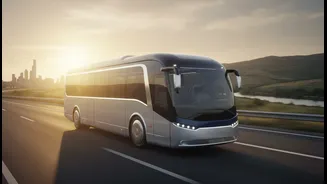
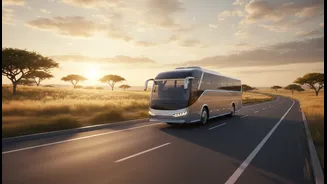
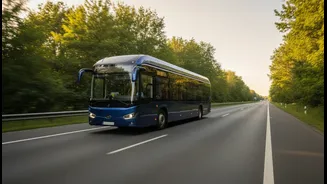
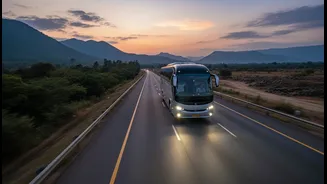
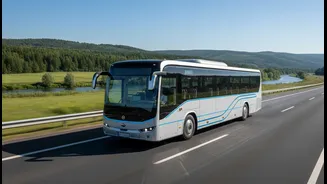
Forget the rattling, noisy bus journeys of the past. A new category of premium electric intercity bus services is expanding across India, promising a travel experience that’s quieter, smoother, and cleaner. Companies like NueGo, FreshBus, and zingbus
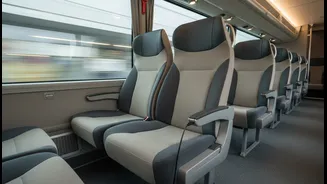
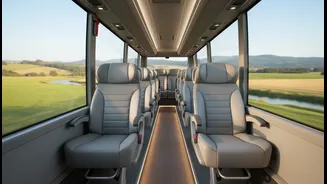
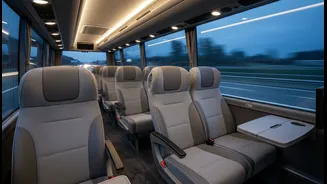
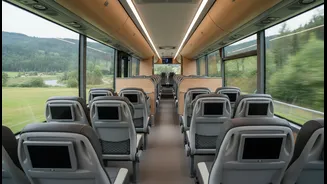
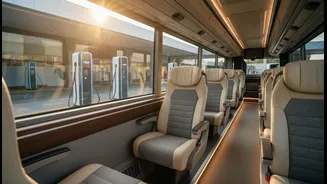
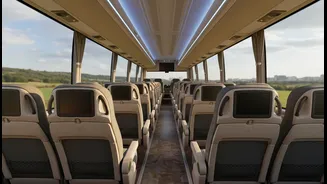
are deploying fleets of modern electric buses on major routes, connecting hubs like Delhi, Jaipur, Bengaluru, Chennai, Hyderabad, and Mumbai. These aren't just standard buses that happen to be electric; they are designed as a premium offering. Features typically include spacious, reclining seats, individual USB charging ports, onboard Wi-Fi, and a near-silent cabin, reducing travel fatigue. This hospitality-led approach aims to create a new market segment, distinct from both budget government buses and high-cost flights.
The Core Dilemma: Cost vs. Experience
This enhanced experience comes with a new planning question for travellers. A ticket on a premium e-bus is generally more expensive than a standard non-AC bus or a second-class train seat. However, it's often competitive with, or slightly cheaper than, AC Volvo diesel buses and AC chair car train tickets. For example, while a standard bus might cost ₹300-350, an AC Volvo could be ₹550-800, and an electric bus might fall within a similar premium range. This positions them in a sweet spot. The question for the traveller is no longer just about the cheapest ticket, but about value. Is the promise of a quiet, comfortable, and connected journey worth the incremental cost over basic transport options?
The Time and Convenience Factor
Another critical variable is time. While e-buses are speed-limited for safety and efficiency, the major time-related consideration is charging. For a route of 250-300 km, a single charge is often sufficient. However, longer journeys require planned charging stops, which can extend the total travel time compared to a non-stop diesel bus or a train. Operators are building these stops into the schedule as rest breaks for passengers. This introduces a trade-off: a potentially longer journey in exchange for superior onboard comfort. The planning question becomes: is a serene, productive journey where you can work or relax worth an extra hour of travel time? For business travellers and families, the answer is increasingly yes.
Weighing the 'Green' Premium
For clean-mobility watchers, the rise of e-buses is a significant win for decarbonising transport, which accounts for a substantial portion of India's emissions. Electric buses have zero tailpipe emissions, drastically improving air quality along their routes. Financially, their lower operating costs—saving as much as ₹18-25 per kilometre compared to diesel—make them a smart long-term investment for fleet operators, especially with government subsidies helping to offset the high initial purchase price. However, a complete environmental assessment is more complex. The overall carbon footprint depends on the source of electricity used for charging, which in India is still heavily reliant on fossil fuels. Furthermore, the environmental impact of battery production and disposal remains a long-term challenge the industry must address.
The Road Ahead for E-Bus Fleets
The future of premium intercity e-buses in India looks bright, but challenges remain. The primary hurdle is the limited charging infrastructure on highways, which curtails the operational range for long-haul routes. Companies are actively working to build this out, but it will take time. Moreover, manufacturers are struggling to keep up with surging demand from both private operators and large government tenders, creating a supply crunch. As companies like JBM, Olectra, and Tata Motors ramp up production, and operators expand their routes, this segment is poised to move from a niche offering to a mainstream travel choice. The success of this model will depend on coordinated action between vehicle manufacturers, fleet operators, and policymakers to create a robust and reliable ecosystem.