





1. Clear Your Gutters and Downspouts
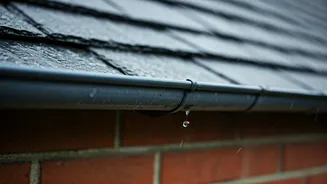
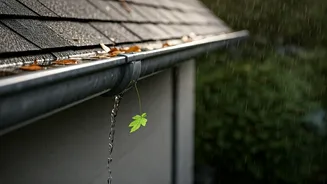
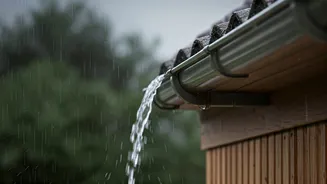
This is your home's first line of defence against rainwater. Gutters and downspouts are designed to channel water away from your roof and foundation. However, they are easily clogged with leaves, twigs, and other debris. When clogged, water overflows,
spilling down your walls and pooling around your foundation. This can lead to weakened foundations, basement flooding, and rotting fascia boards. Before the rains begin, make it a priority to clear them out completely. Ensure your downspouts direct water at least five to ten feet away from the house to prevent it from seeping back into the foundation.
2. Inspect Your Roof Thoroughly
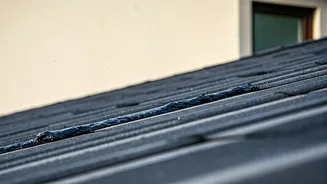
A small leak in the roof can quickly become a major disaster. A thorough inspection can save you from severe water damage, mould growth, and compromised structural integrity. Look for missing, cracked, or loose tiles or shingles. Pay close attention to the areas around vents, chimneys, and skylights, as the seals (or 'flashing') in these spots are common failure points. If you are not comfortable getting on the roof yourself, hiring a professional for an annual inspection is a wise investment. They can spot subtle signs of wear and tear that an untrained eye might miss and perform necessary repairs before a small issue becomes a costly replacement.
3. Check the Slope of the Land
One of the most overlooked aspects of rainwater management is the grading of your property. The ground around your home should gently slope away from the foundation. If it slopes inward, it directs rainwater straight towards your base, where it can exert immense pressure, seep through cracks, and cause significant structural damage or basement flooding. This is known as 'negative grading'. Correcting it may involve adding soil to create a positive grade. While a major regrading project might require a professional, you can often make minor adjustments yourself to ensure water flows away from, not toward, your home.
4. Seal Gaps in Windows and Doors
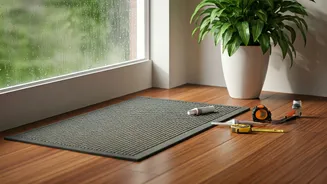
Wind-driven rain can be relentless, finding its way through the smallest cracks around your windows and doors. Over time, the caulk and weatherstripping that seal these gaps can dry out, crack, and peel away. This not only allows water to enter, potentially damaging your walls and floors, but also lets cooled air escape, driving up your energy bills. Take a walk around your home and inspect all exterior-facing windows and doors. Look for visible gaps or deteriorated seals. Applying fresh exterior-grade caulk is a simple, inexpensive DIY task that provides a powerful barrier against water intrusion.
5. Examine Exterior Walls for Cracks
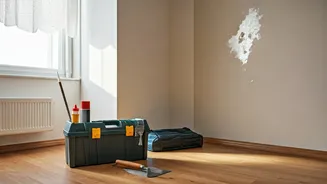
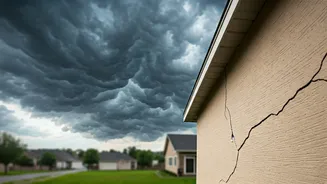
Your home's exterior walls are constantly exposed to the elements. Over time, stucco or brickwork can develop cracks. While hairline cracks might seem harmless, they are entry points for water. Once water gets inside a wall, it can saturate insulation, rot wooden frames, and create a hidden breeding ground for toxic mould. Before the monsoon, carefully inspect your exterior walls for any cracks, especially around areas where pipes or vents enter the house. Use a high-quality masonry sealant or waterproof filler to patch these openings. Don't forget to check the paint; a good coat of waterproof exterior paint adds another crucial layer of protection.