






Understanding the Kharif Season
In India, the agricultural year is traditionally divided into major cropping seasons, with Kharif and Rabi being the most prominent. The Kharif season, also known as the monsoon season, typically begins in June with the arrival of the southwest monsoon and extends
until October. This period is characterized by high humidity, warm temperatures, and, most importantly, abundant rainfall, which dictates the types of crops that thrive. For farmers, this is the season for water-loving crops like rice, maize, and cotton. For a home gardener, understanding Kharif timing is about harnessing the monsoon's rhythm to cultivate a lush, productive kitchen garden with minimal effort.
Why Kharif Timing Matters for Your Home Garden
Aligning your home garden with the Kharif season isn't just about tradition; it's a smart, sustainable strategy. The monsoon rains provide natural irrigation, reducing your daily watering chores. The high humidity and ambient moisture create an ideal environment for many tropical vegetables to germinate and grow rapidly. Planting according to the Kharif calendar means your chosen vegetables are naturally adapted to the weather, making them more resilient to pests and diseases that can proliferate in damp conditions. By working with nature's schedule, not against it, you set your garden up for success, ensuring a bountiful harvest from your pots and planters.
Top Vegetables to Plant This Kharif
The Kharif season is perfect for a wide variety of vegetables that flourish in warm, wet conditions. For your home garden, focus on varieties that do well in containers. Some of the best choices for monsoon planting include: Bhindi (Okra), a beloved Indian vegetable, thrives during the monsoon and is well-suited for pots. Gourds of all kinds—like Lauki (Bottle Gourd), Karela (Bitter Gourd), and Turai (Ridge Gourd)—are vigorous climbers that love the rain. Tomatoes and Brinjals (Baingan) also do very well, though it's often better to start with healthy seedlings rather than seeds during heavy rains. Lastly, Lobia (Cowpea) is another excellent choice that grows well in the warm monsoon weather.
Essential Herbs for a Monsoon Kitchen Garden
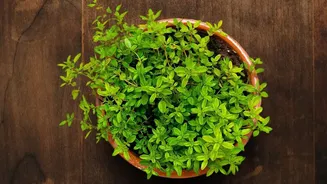
No Indian kitchen garden is complete without a selection of fresh herbs. The good news is that many essential culinary herbs thrive during the monsoon. Coriander, Mint, and Tulsi are staples in Indian cooking and are relatively easy to grow in small pots on a windowsill or balcony. Curry leaf plants also enjoy the rainy season. While you can grow from seed, starting with small plants from a nursery gives you a significant head start. These herbs not only provide fresh flavours for your daily meals but also add a touch of green and fragrance to your home, making your gardening efforts doubly rewarding.
Monsoon Gardening: A Quick Start Guide
Gardening during the monsoon comes with its own set of rules. The biggest challenge is not a lack of water, but too much of it. Ensure every pot has excellent drainage to prevent waterlogging, which can suffocate plant roots. It’s wise to use a light, well-draining potting mix; a combination of garden soil, compost, and cocopeat works well. Elevate your pots on bricks or stands to keep drainage holes clear. Be cautious with watering—always check if the top inch of soil is dry before adding more water. Finally, ensure your climbing plants have strong trellis support to withstand monsoon winds and the weight of their produce.