






Choosing Your Autumn Champions
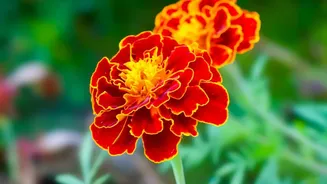
October is an ideal month for planting marigolds (Genda) and chrysanthemums (Guldaudi) in India. The intense summer heat has passed, and the soil is still warm enough to encourage strong root growth before the cooler winter months. When you visit your
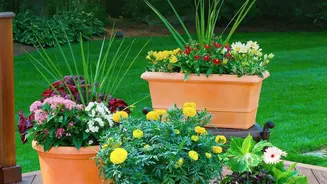
local nursery, you will likely be buying starter plants that are either budding or already in bloom. For chrysanthemums, it is wise to select plants with plenty of tight, unopened buds. This ensures you'll enjoy a longer flowering period of six to eight weeks, as opposed to a fully blooming plant that may only last a few weeks. For marigolds, both African (larger blooms) and French (more compact) varieties do wonderfully in pots. Look for healthy, green foliage without any signs of pests or disease.
The Right Home: Selecting Your Pots
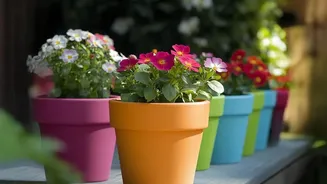
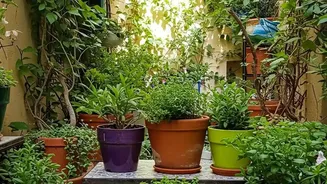
The container you choose is crucial for the health of your plants. The most important feature is a drainage hole at the bottom; without it, water will pool and cause root rot, which these flowers are susceptible to. Terracotta pots are an excellent choice as their porous nature allows soil to breathe, but plastic pots also work well and retain moisture longer. When it comes to size, give your plants room to grow. A 6 to 8-inch pot is suitable for a single dwarf marigold, while larger African marigolds and chrysanthemums will be happier in pots at least 10 to 12 inches in diameter. This larger volume of soil also prevents the pot from drying out too quickly on a sunny balcony.
The Foundation: Crafting a Perfect Soil Mix
Simply using soil from your garden is a common mistake for potted plants, as it can be too heavy and compact, leading to poor drainage. Both marigolds and chrysanthemums thrive in a rich, loose, and well-draining medium. A perfect, easy-to-make potting mix can be created by combining 40% garden soil, 30% cocopeat for moisture retention, and 30% vermicompost or well-rotted cow manure for nutrients. To this base, adding a handful of neem cake powder can help protect the roots from soil-borne pests, and a spoonful of bone meal can support strong root development and future blooms. The goal is a mix that holds moisture without becoming waterlogged.
The Main Event: Your Planting Steps
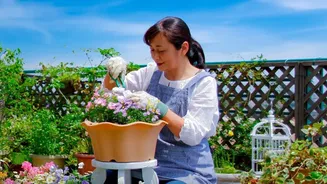
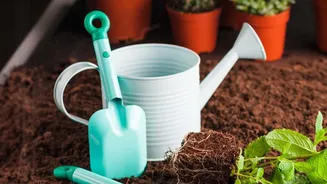
Once your pots and soil are ready, it’s time to plant. Start by filling your chosen container with the potting mix until it is about two inches from the rim. Gently remove the plant from its nursery bag or pot, being careful not to disturb the root ball too much. If the roots are tightly wound, you can gently loosen them with your fingers. Dig a small hole in the center of your pot, place the plant inside, ensuring it sits at the same depth it was in its original container. Fill the surrounding space with more potting mix, patting it down gently to remove any air pockets. Immediately after planting, water the pot thoroughly until you see water running out of the drainage hole. This helps the soil settle around the roots.
Aftercare: Sun, Water, and Food
Proper care after planting will ensure a season full of flowers. Place your pots where they will receive at least six hours of direct sunlight per day, as both marigolds and chrysanthemums need full sun to produce abundant blooms. Watering is critical, but overwatering is a common problem. The best method is to check the soil with your finger; if the top inch feels dry, it’s time to water. Water deeply in the morning, allowing the foliage to dry during the day to prevent fungal diseases. Plants in containers lose nutrients faster than those in the ground, so you'll need to feed them. About a month after planting, start feeding your flowers every two weeks with a balanced liquid fertilizer to encourage continuous blooming.