





The Rise of Astrotourism
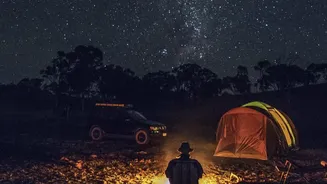
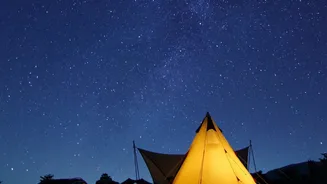
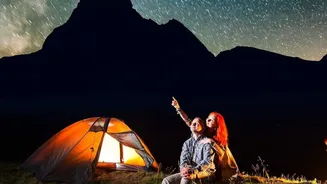
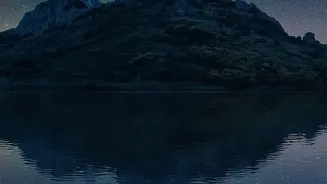
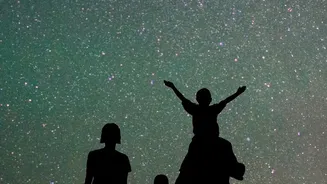
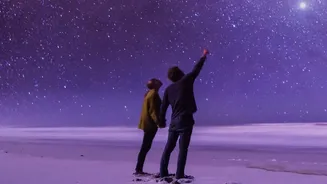
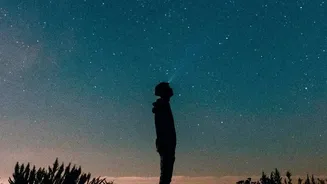
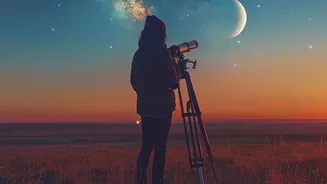
A growing number of travellers are seeking destinations not for their sunny beaches or bustling cities, but for what they offer after dark. This is astrotourism, or dark-sky tourism, a form of eco-travel where people journey to remote locations specifically
to experience pristine night skies. Away from the urban 'skyglow' that washes out the cosmos for more than 80% of the world's population, these travellers come equipped with telescopes, cameras, or simply their own eyes to witness the Milky Way, meteor showers, and distant galaxies in their full glory. This niche market attracts a dedicated and often high-spending clientele, eager for authentic, sustainable travel experiences that connect them with the natural world. As this trend grows, valleys and remote regions are discovering that their darkness is one of their most valuable assets.
An Economy Built on Darkness
For communities in and around these dark-sky oases, the economic case for preserving the night is compelling. The influx of astrotourists provides a significant boost to local economies, especially in off-peak seasons. Visitors stay in local hotels, eat at local restaurants, and hire local guides, injecting vital revenue into rural areas. A 2019 study focusing on the Colorado Plateau in the US projected that dark-sky tourists would spend $5.8 billion over ten years, supporting over 10,000 jobs annually in the region. Recognizing this potential, organisations like DarkSky International have created a certification program for 'International Dark Sky Places'. Earning this prestigious designation acts as a powerful marketing tool, often leading to a surge in visitor numbers and putting these locations on the global tourism map.
From Stars to Streetlights
Achieving and maintaining a dark-sky designation isn't just a matter of being remote. It requires a conscious and sustained community effort to combat light pollution. This is where tourism becomes a direct driver of local environmental policy. To gain certification, communities must adopt and enforce outdoor lighting ordinances that mandate dark-sky friendly practices. These measures are practical and effective: retrofitting streetlights to be fully shielded and point downward, using warm-temperature LEDs to reduce the most disruptive blue light, and implementing timers or motion sensors to ensure light is used only when and where it's needed. Education campaigns are also launched to encourage residents and business owners to adopt similar practices, fostering a culture of conservation that extends beyond official regulations.
A Win for Wildlife and Wellness
The benefits of reducing light pollution extend far beyond a clear view of the stars and increased tourism revenue. Artificial light at night disrupts entire ecosystems. Migratory birds become disoriented, nocturnal pollinators like moths are drawn to their death around streetlights, and the predator-prey dynamics of countless species are thrown off balance. By restoring natural darkness, communities are also restoring critical habitats for their local wildlife. Furthermore, the push to reduce light pollution benefits human residents. Studies have linked excessive exposure to artificial light at night to sleep disorders and other health issues. Quieter, darker nights contribute to a higher quality of life, proving that policies good for tourists are often just as good for the people who call these valleys home.